


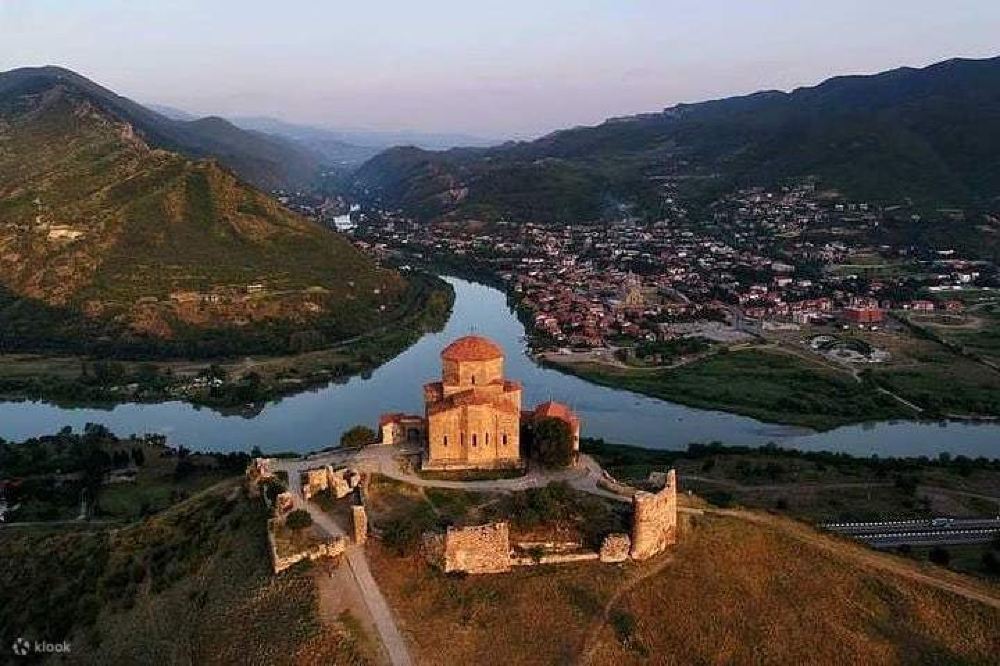
▲ Jvari Monastery, located near Mtskheta in eastern Georgia, was built in the 6th century and is an architectural marvel of the Georgian Orthodox Church, showcasing the style of early medieval Georgian architecture. Perched atop Mount Jvari, the monastery blends seamlessly with the surrounding natural view, representing a classic example of medieval Georgian design. It was inscribed as a UNESCO World Heritage site in 1994 and has remained largely unchanged for centuries.
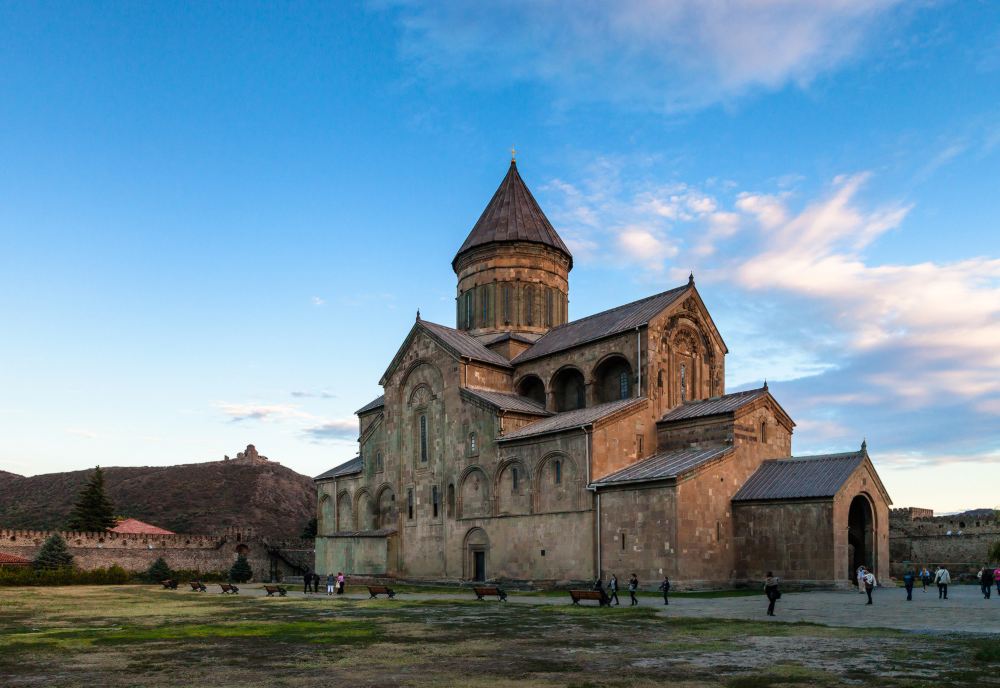
▲ The Svetitskhoveli Cathedral (Life-giving Pillar Cathedral, Mtskheta) is located in the ancient capital of Georgia, Mtskheta, and is one of the most important religious buildings in Georgia, as well as a core holy site in Orthodox history. The cathedral has a solemn exterior and a quiet, sacred interior atmosphere. Local legends related to Christ have long been passed down, making it not just a church but also a bearer of the shared memory of Georgia's early Christianization process and royal history.
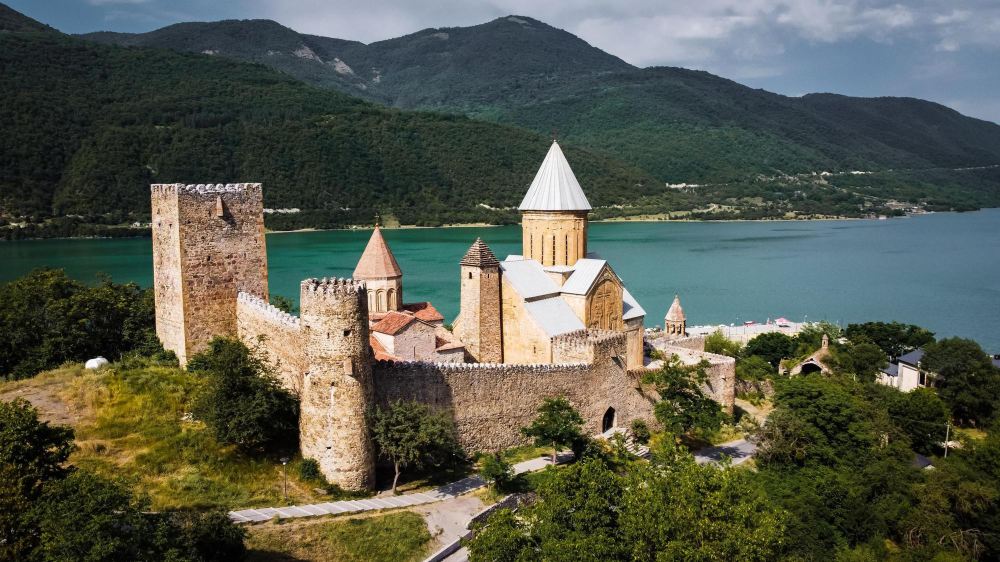
▲ The Ananuri fortress stands by an ancient military and transportation route, having long guarded the key passage into the depths of the Caucasus. Perched high above the Aragvi River valley and mirrored by the waters of the Zhinvali Reservoir, its walls, churches, and mountainous waters create a richly layered classic scene. Here, one finds both the solidity of medieval defensive architecture and the vast, crisp grandeur unique to Georgia's mountain views.
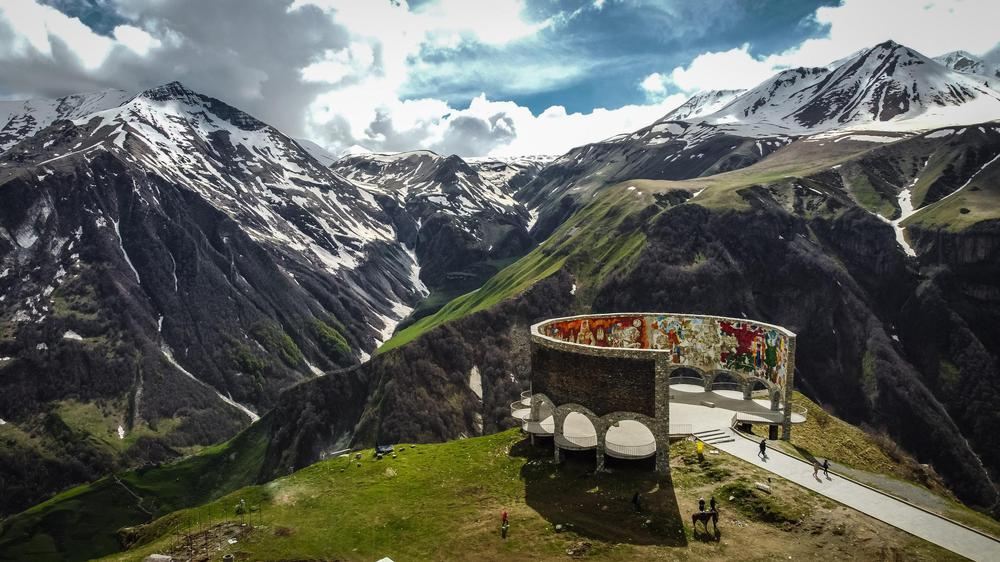
▲ The monument was built during the Soviet era, located on the scenic cliffside of the Georgian Military Highway. It features a mosaic mural with the theme of "friendship," but in contemporary contexts, travelers often jokingly refer to it as "plastic friendship," precisely reflecting the complex tension between historical memory and realpolitik in Georgia-Russia relations.
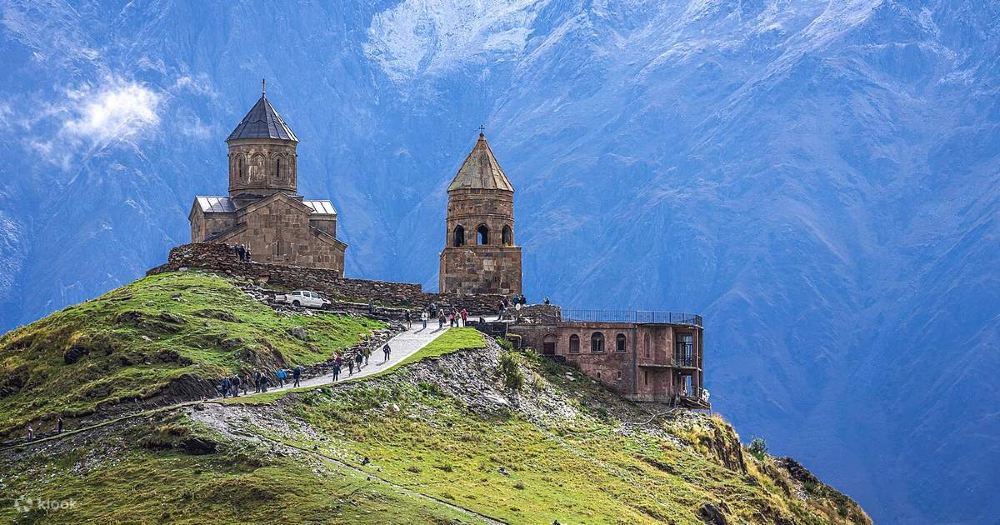
▲ The Gergeti Trinity Church (Stepantsminda) is perched on high ground, requiring a transfer to a local 4x4 off-road vehicle to ascend. Known as the church closest to the sky, it is one of Georgia's most recognizable mountain religious landmarks. The church itself is unassuming, yet it exudes a profound spiritual aura due to the perpetually snow-capped Mount Kazbek towering behind it. Standing on the platform around the church, visitors can take in panoramic views of valleys, villages, roads, and snow-capped mountains, offering a direct sense of the depth and grandeur of the Caucasus terrain.