


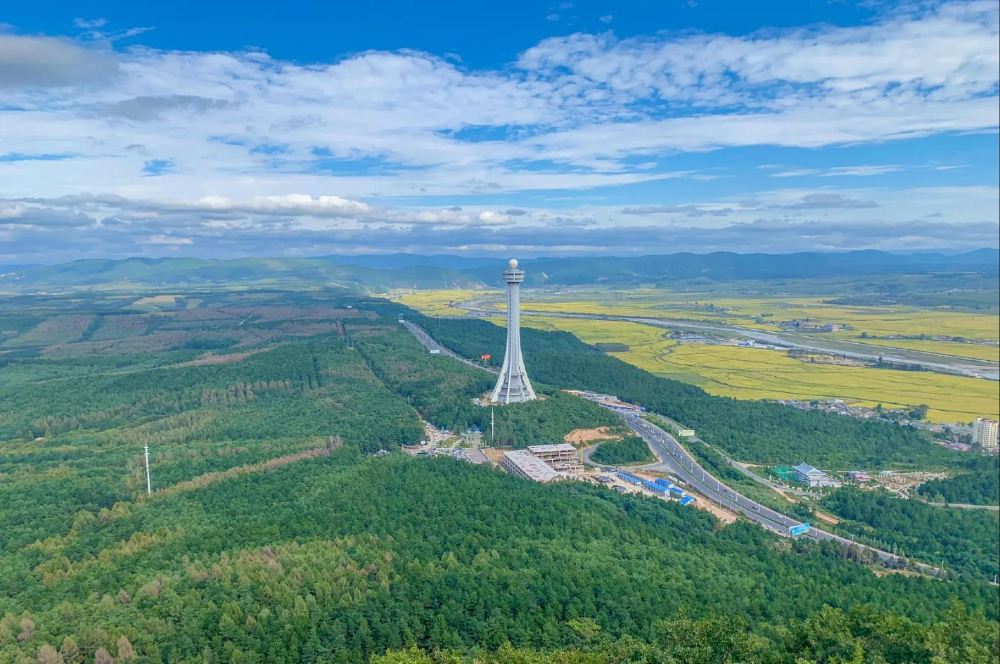
▲ Mao'er mountain, named for its resemblance to a straw hat when viewed from afar, features diverse vegetation including pine, elm and poplar trees along with various shrubs. The scenic area's lush meadows host an abundance of mushrooms, while wildlife such as pheasants and hares inhabit the mountain. Lucky visitors might spot adorable squirrels nibbling on pine cones. As the highest point in Yanji city, Mao'er mountain offers panoramic views of the entire urban area. It also serves as an observation deck for both the Buerhatong river and Hailan river. Looking south, visitors can see the leisurely flowing Hailan river winding like a silver ribbon through the rice-scented plains. Under the summer sun, the paddies glisten white with rising mist. To the west, orderly rows of fruit trees with fragrant pear blossoms frame the distant twin peaks of Ma'an mountain. Eastward views reveal lush, multi-hued forests stretching to the horizon.
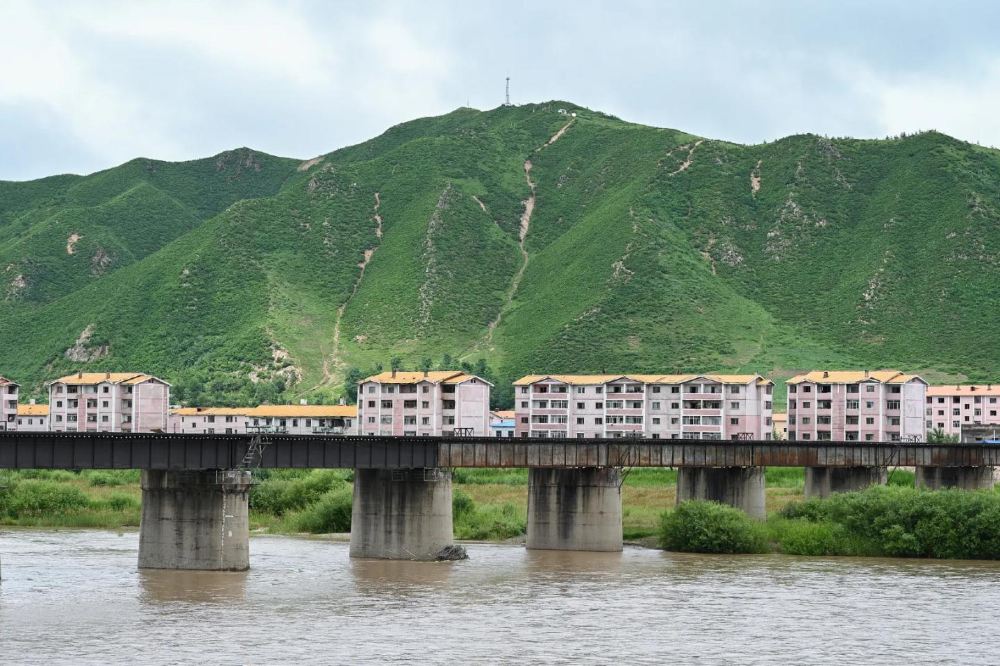
▲ Tumen National Gate Scenic Area is one of Jilin's earliest established and longest-standing "century-old ports", serving as a cargo transport hub divided into railway and highway ports with an annual freight capacity of 5.6 million tons.
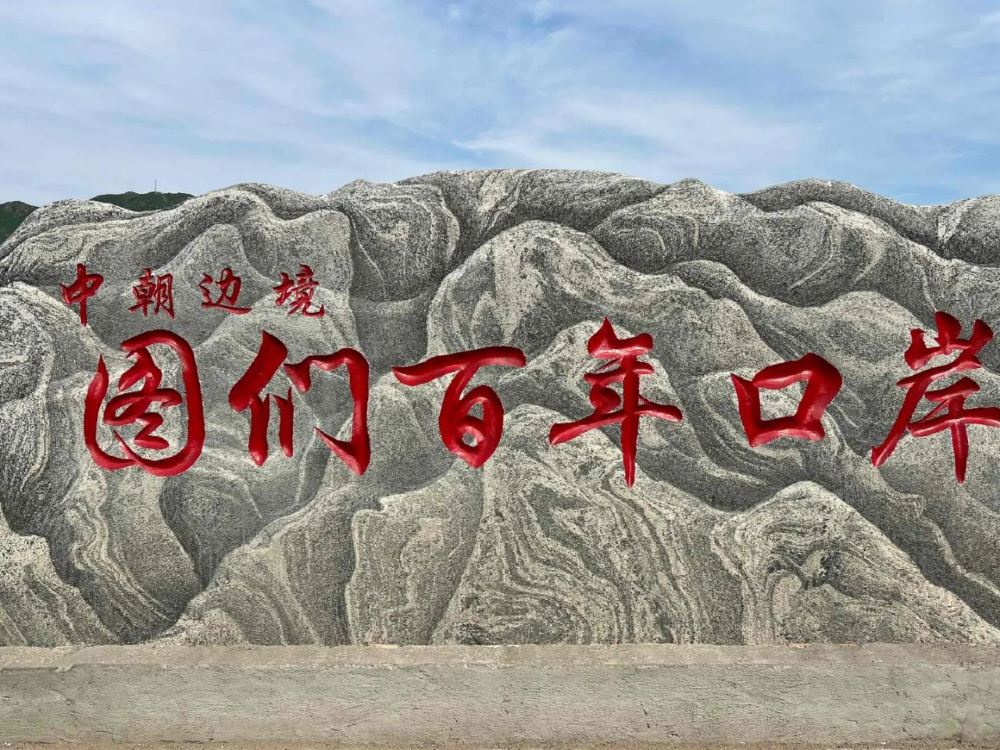
▲ Tumen National Gate Scenic Area is one of Jilin's earliest established and longest-standing "century-old ports", serving as a cargo transport hub divided into railway and highway ports with an annual freight capacity of 5.6 million tons.
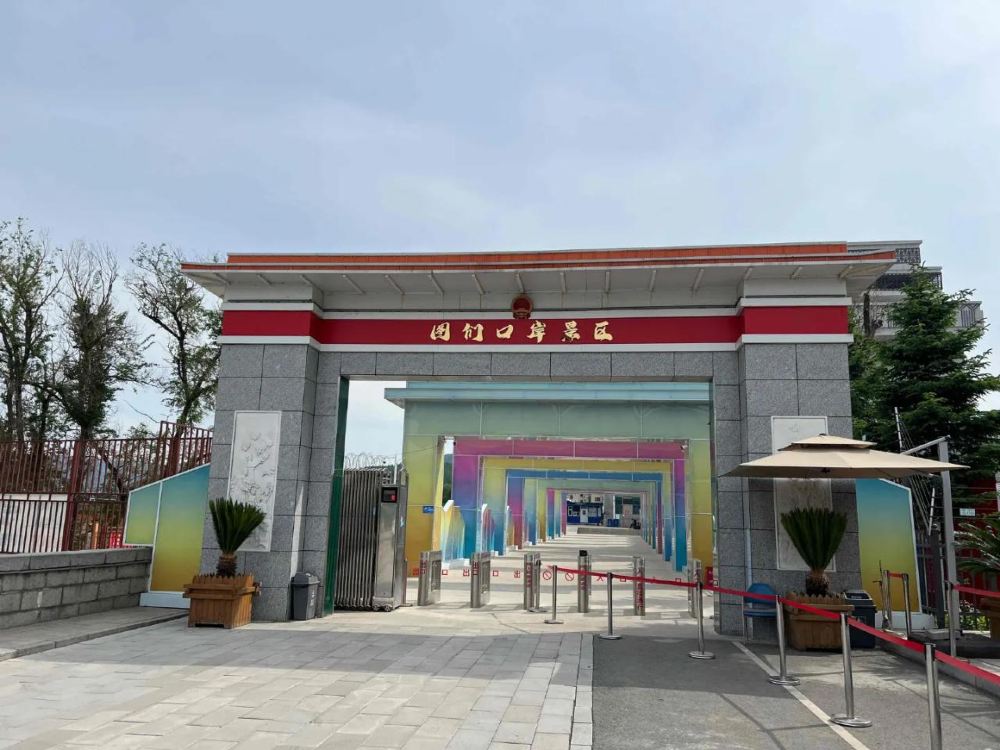
▲ Tumen National Gate Scenic Area is one of Jilin's earliest established and longest-standing "century-old ports", serving as a cargo transport hub divided into railway and highway ports with an annual freight capacity of 5.6 million tons.
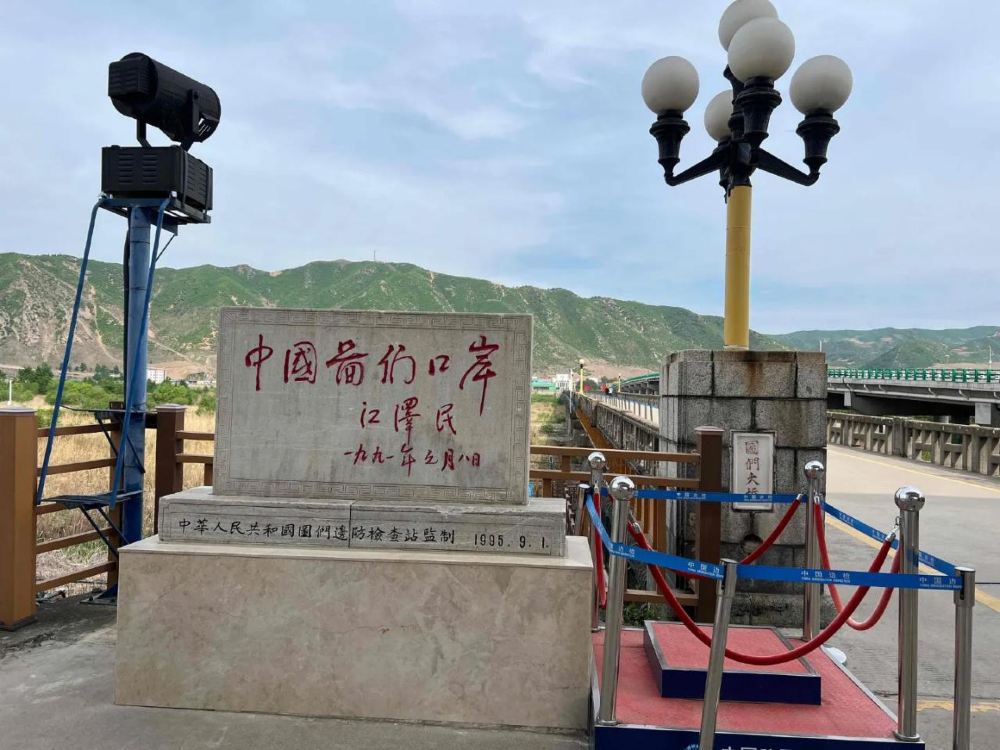
▲ Tumen National Gate Scenic Area is one of Jilin's earliest established and longest-standing "century-old ports", serving as a cargo transport hub divided into railway and highway ports with an annual freight capacity of 5.6 million tons.
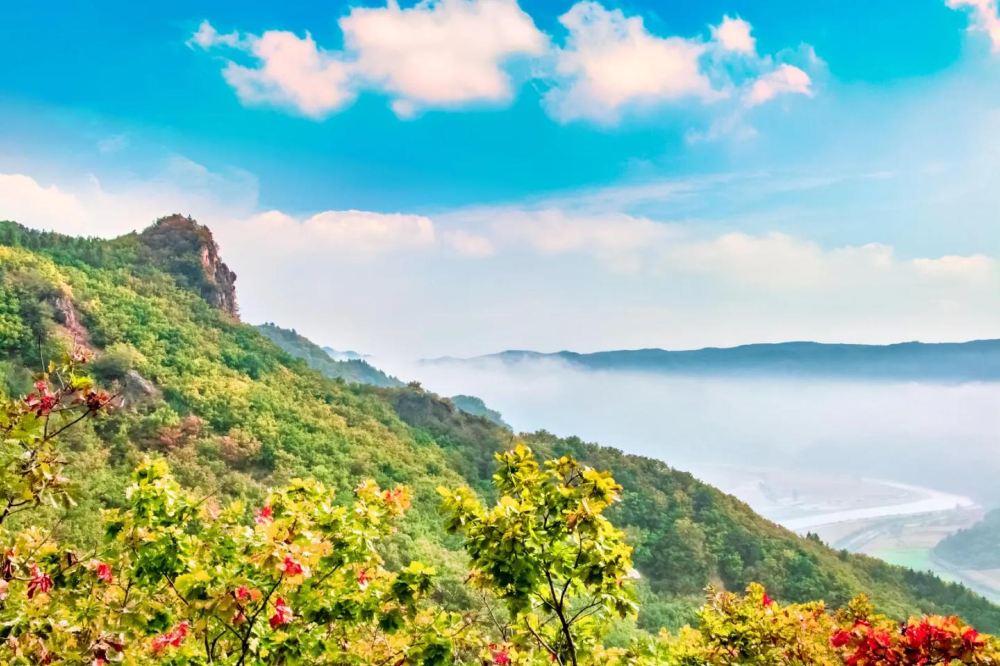
▲ Sun Mountain is located in the southeastern part of Tumen city along the China-North Korea border, as an extension of the Changbai Mountain range. Its name originates from the radiant morning light and misty clouds that envelop the sun-facing slopes. The attraction features spectacular peaks, peculiar rock formations, lush forests and borderland views, combining ecological preservation with cultural landscapes to create the unique geographical advantage of "viewing two countries from one mountain". Composed of granite, the mountain's weathered formations like Buddha's Hand Rock and Screen Rock intertwine with century-old Korean pine and oak forests, forming the ecological wonder of "trees growing from rocks and embracing stones".
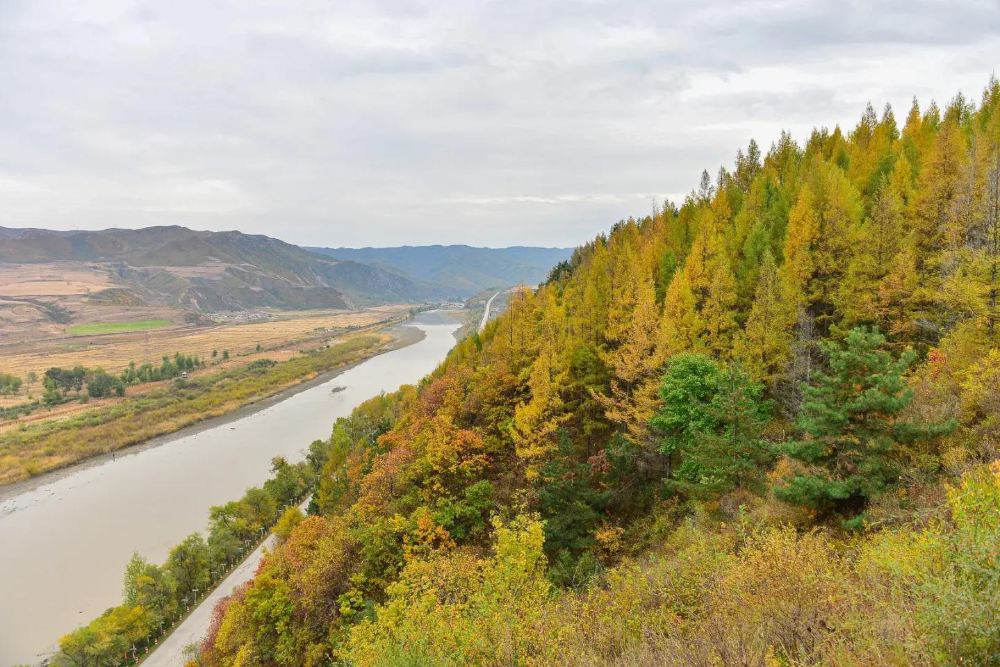
▲ The viewpoint on the southern slope of Sun Mountain's main peak overlooks the winding Tumen River, with clear views of Namyang city's landscape in North Korea across the river. The adjacent railway and highway bridges along the riverbank stand as witnesses to Sino-North Korean border trade and cultural exchanges. Hwaeomsa Temple, nestled on the mountainside, features traditional North Korean Buddhist architecture with its blue tiles and red pillars harmonizing with the surrounding pines and cypresses. The temple's morning bells and evening drums enhance its serene atmosphere. Wooden boardwalks and hiking trails connect attractions like Lion Viewing Platform and Immortal Platform, while seasonal blooms of wild lilies and azaleas adorn the paths.
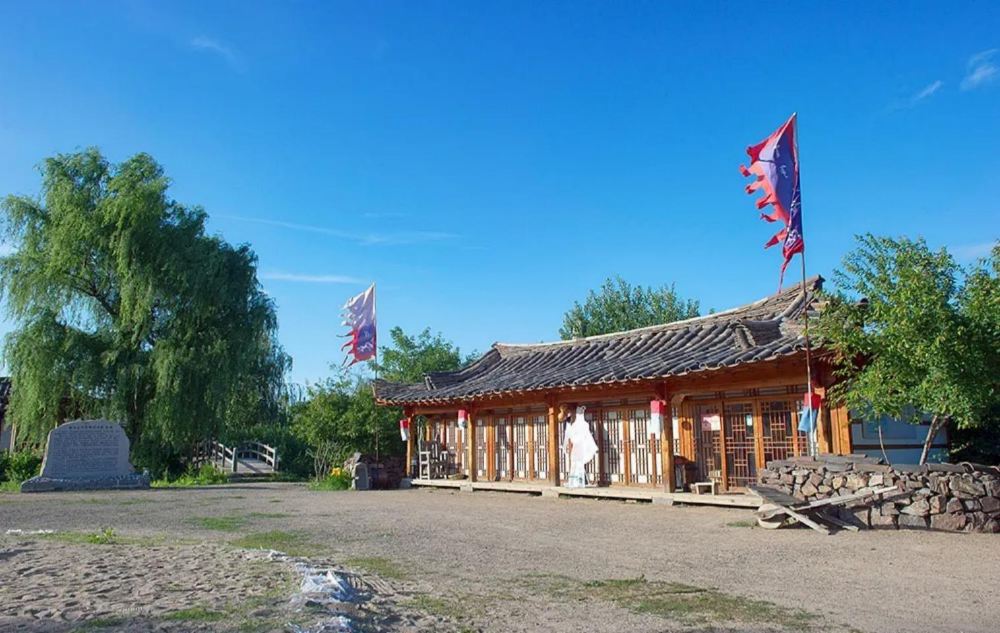
▲ "Chinese Korean centennial tribe" is located in Bailong village, Yueqing town, Tumen city, Jilin province, 10 km from the town center. It is an antique-style tribal complex featuring distinctive Korean architectural characteristics. Currently, 13 Korean-style houses with varied designs and purposes have been constructed for visitor exploration. The centennial tribe buildings feature large roof structures with flat middles and upturned ends - the central section resembling a sailing boat while the raised edges evoke crane wings. Roof decorations include rope patterns and auspicious characters. Circular or semicircular lotus-patterned tiles, neatly arranged black roof ridges, towering roof peaks, and snow-white walls create a refreshing, comfortable, and tidy aesthetic. This tribe integrates folk cuisine, farming life, and cultural performances into a traditional "agritourism" experience.
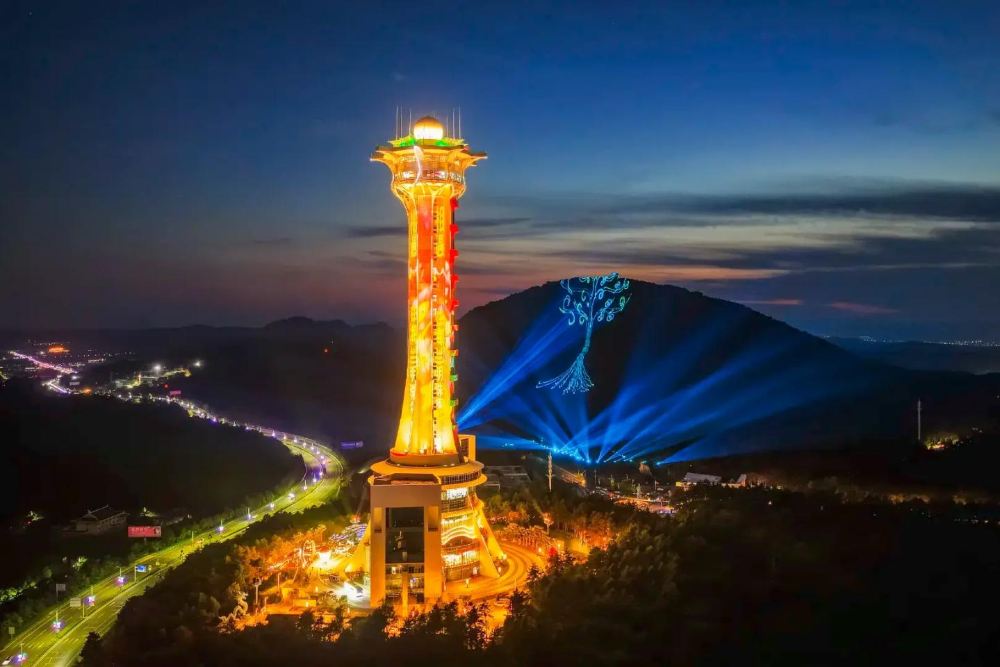
▲ Mao'er mountain, named for its resemblance to a straw hat when viewed from afar.
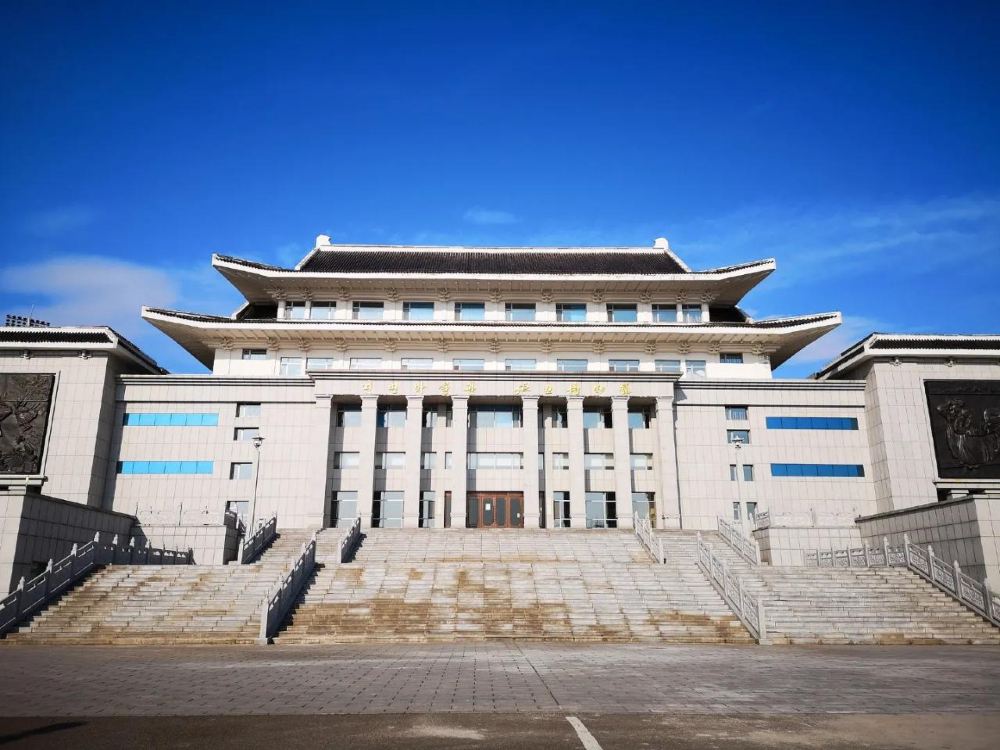
▲ Yanbian museum was established in 1960 as a comprehensive museum integrating local history and Korean ethnic characteristics. The museum houses nearly 15,000 cultural relics, including over 500 nationally precious artifacts. Its collections primarily consist of ancient relics, modern historical artifacts, and Korean folk cultural items. Notable exhibits include the epitaph and murals (replicas) from Princess Jeonghyo's tomb of the Balhae Kingdom during the Tang Dynasty, bronze mirrors with room-pattern designs, glazed pottery jars with double handles, as well as historical items reflecting Yanbian's revolutionary struggles like the straw sleeping mat. Permanent exhibitions include displays of Korean folk customs and unearthed cultural relics from Yanbian.

▲ The college town wanghong wall is actually the street-facing facade of shops opposite the university's main gate, located along the middle section of Yanji's Gongyuan Road. This approximately 150 m long building exterior features densely arranged bilingual Chinese-Korean signs that gradually light up at dusk, creating a unique cyberpunk visual view. In the background, the Korean-style flying eaves of Yanbian University's main gate contrast with the colorful light boxes, forming a cultural collision that has made it a popular social media photography spot.