


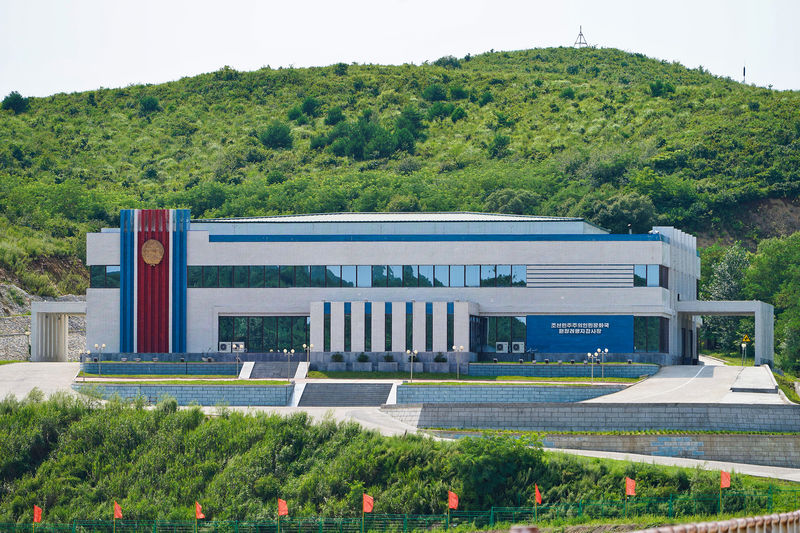
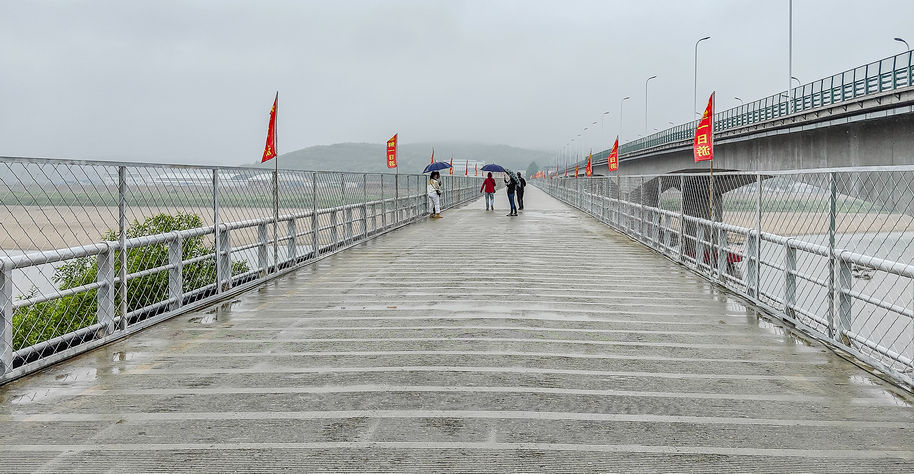
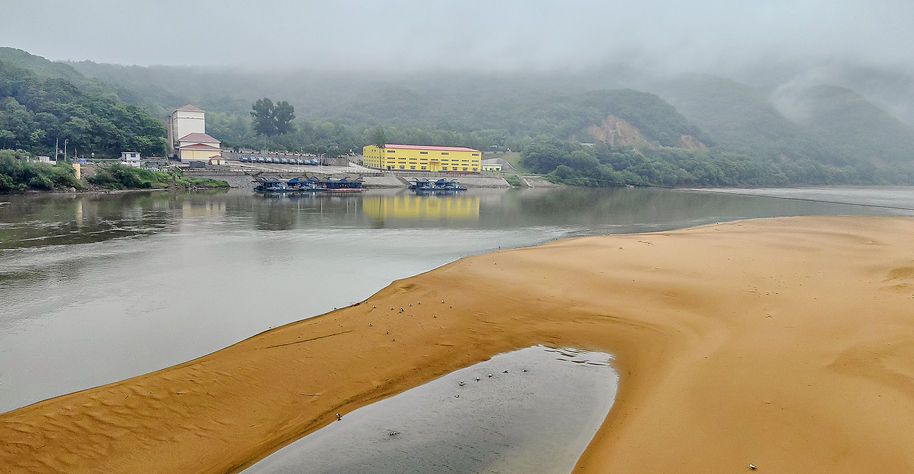
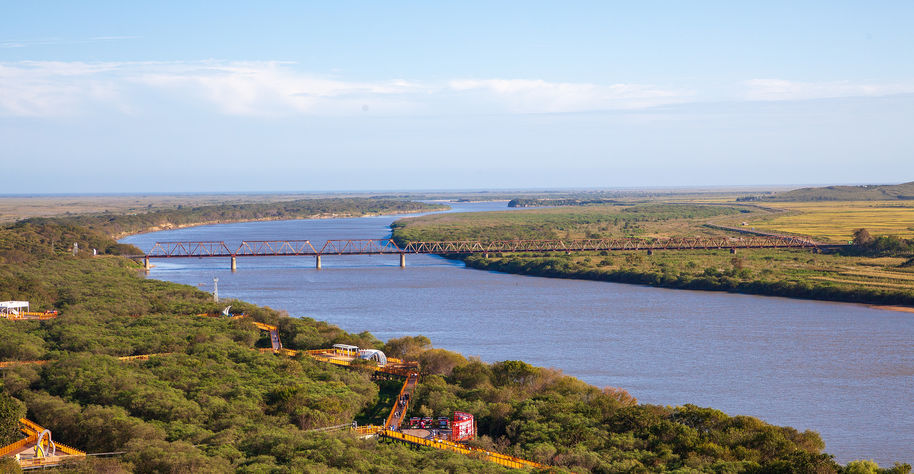
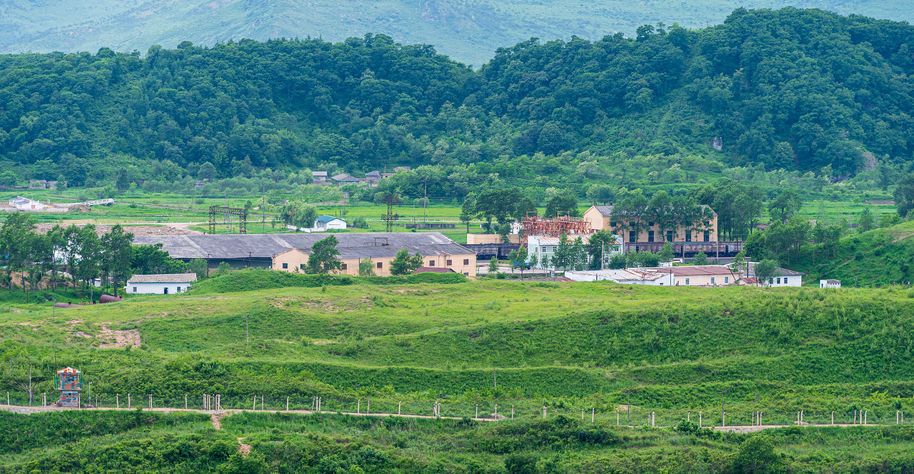


▲ Hunchun Circle River Port is located in Hunchun city, featuring beautiful scenery and currently serving as an international passenger and cargo highway transport port between China and North Korea.


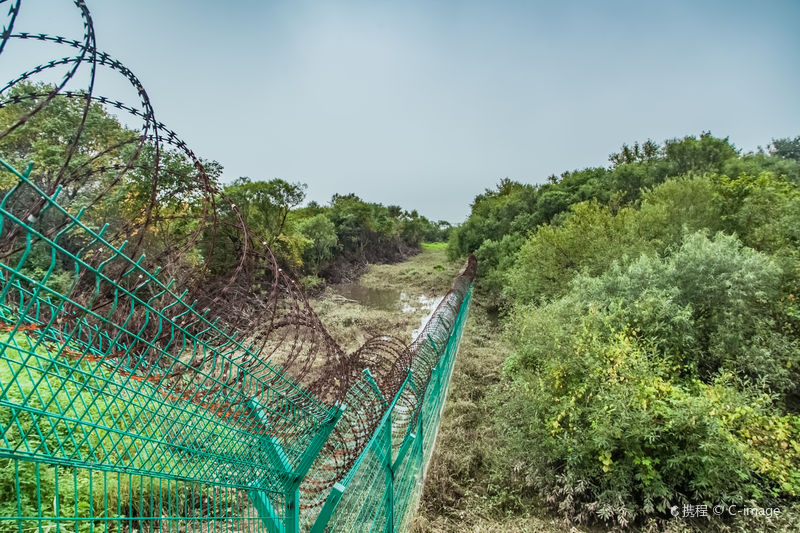
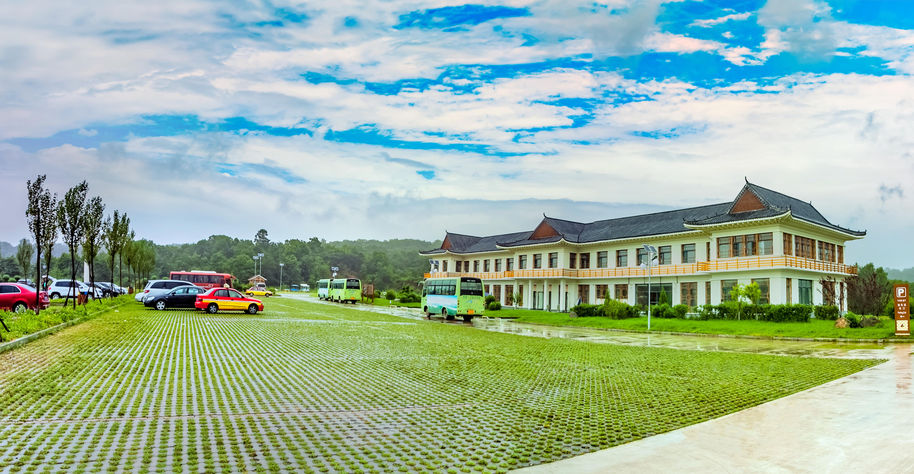
▲ The eastern first sentry is located on a hill along the China-Russia border, with a stone tablet in the courtyard bearing the inscription: "Be a good guardian of the national gate and secure China's border." The Wanghai Pavilion was built in 1993, standing 14 m tall with three floors and a floor area of 650 m², erected east of the Fangchuan outpost. From the Wanghai Pavilion, one can overlook Tumenjiangli in North Korea, Podgornaya in Russia, and the coastal plain with lakes and marshes directly ahead.

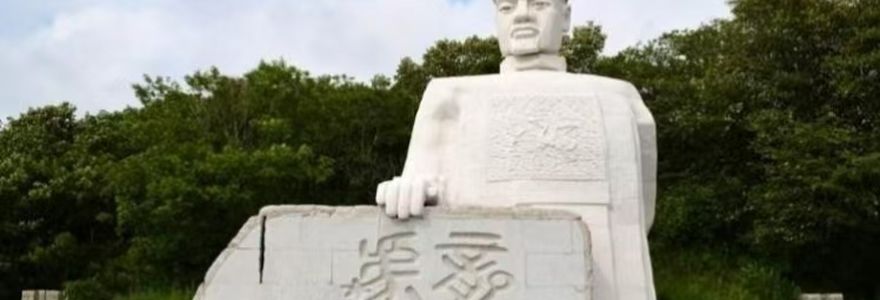
▲ In Hunchun's Longyuan Park stands a pavilion with Qing Dynasty architectural style, featuring the Dragon and Tiger Stone Carving stele - the handwritten inscription left by Wu Dacheng, the Qing government's border affairs commissioner. The stele consists of an irregular orange-yellow granite slab measuring 1.4 m in height, 1.38 m in width, and 1 m in thickness. Its smooth front surface bears the bold seal script characters "Dragon and Tiger" in symmetrical strokes, with dignified and solemn calligraphy that exudes majestic power. Locally known as the "Dragon and Tiger Stone," it includes Wu Dacheng's signature in regular script at the bottom left. The characters symbolize "dragon coiling and tiger crouching" and "dragon advancing and tiger watching," representing the vow to defend the border and homeland at all costs. This stele stands as historical testimony to border peoples' resistance against Tsarist Russian aggression, a symbol of national dignity, and a monument to territorial integrity.

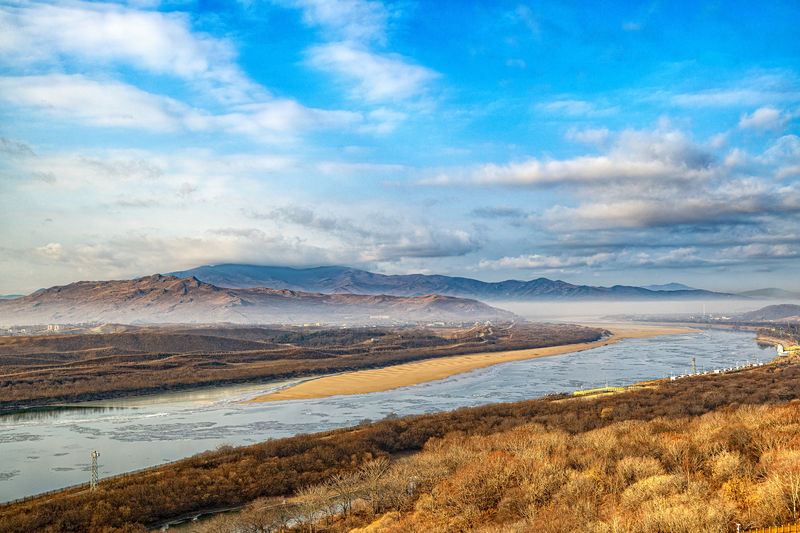
▲ The Fangchuan Scenic Spot is located at the junction of China, North Korea and Russia. Nestled between mountains and rivers, it borders both the river and sea. Standing on the observation deck, visitors can gaze along the river to witness the spectacular scenery where the river meets the sea.

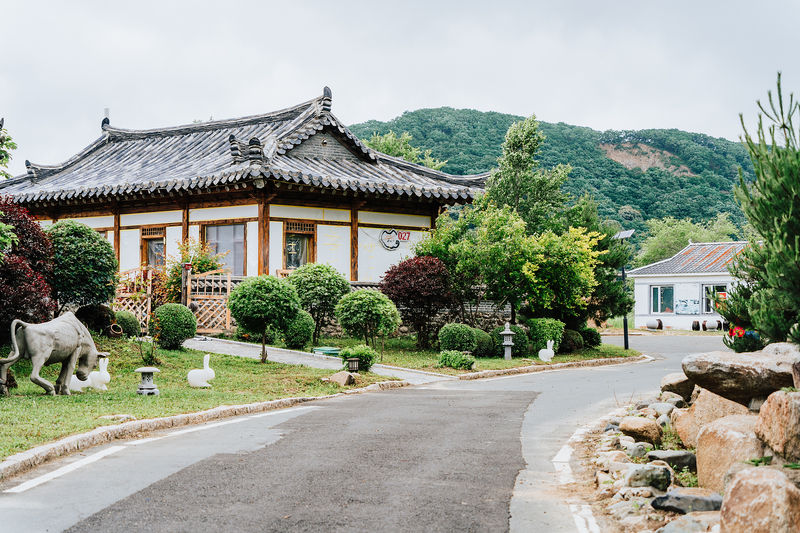
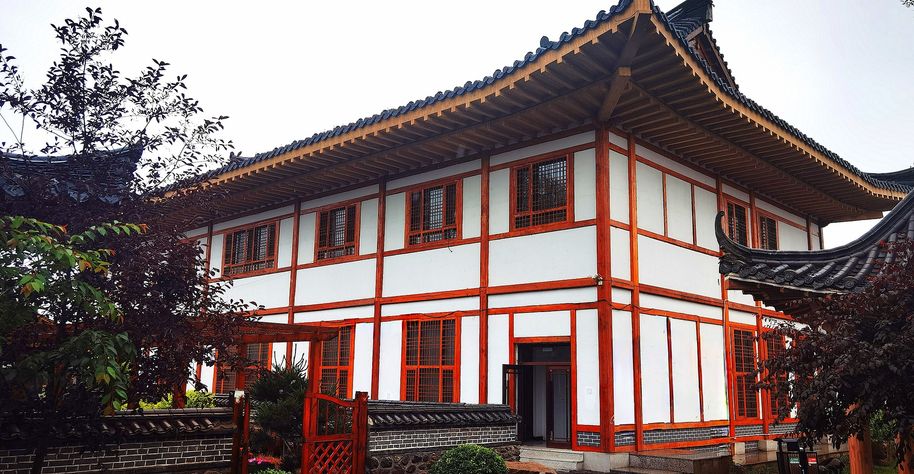
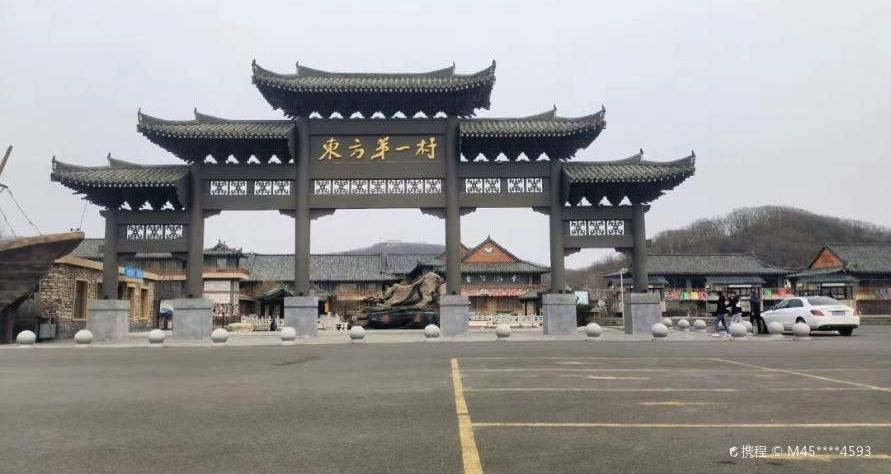
▲ The first village in the east is located in Yanbian Korean autonomous prefecture, Jilin province, China, featuring a tourist village with distinctive Korean ethnic culture. It attracts visitors with its unique ethnic customs and natural views. The village mainly consists of traditional Korean houses, where visitors can experience rich ethnic cultural atmosphere through architectural tours. Multiple cultural experience programs are available in the village, including traditional Korean dance performances, music shows and food-making activities, allowing visitors to participate firsthand and gain deeper understanding of Korean lifestyle. Local specialties like rice cakes and kimchi are highly recommended, representing important elements of Korean culinary culture. With convenient transportation and proximity to Yanji urban area, it's ideal for 1-day tours or short trips. Other attractions are also available nearby.
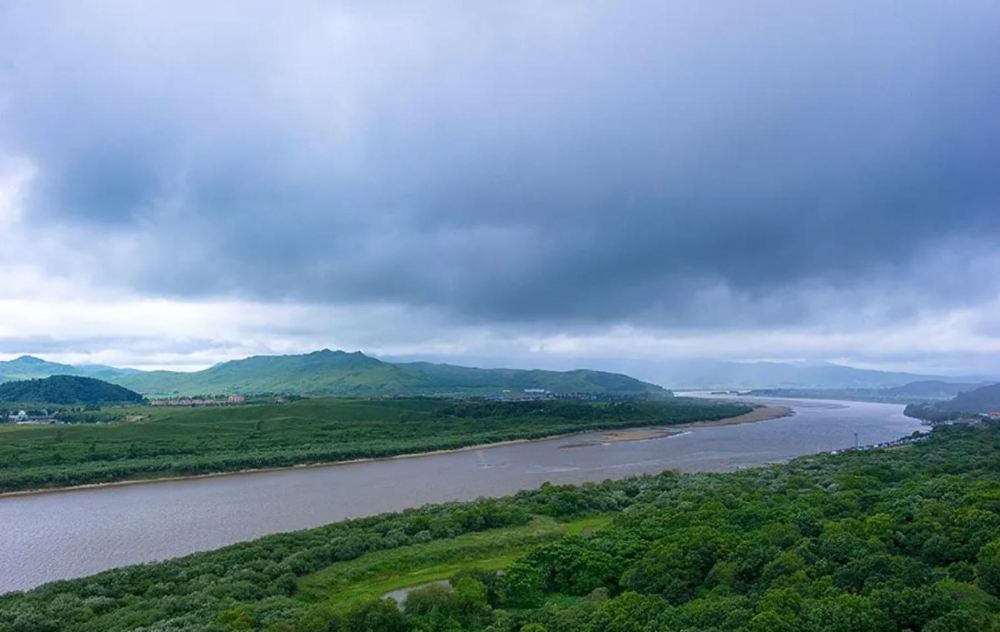
▲ Fangchuan scenic is located at the junction of China, North Korea and Russia, bordering rivers and seas while nestled among mountains. Since ancient times, it has been known as "where a rooster's crow can be heard in three nations and a dog's bark startles three borders". The area is renowned worldwide for its unique "the Fangchuan scenic spot" feature and the natural lakes, forests, rare plants and birds within it. It serves as the core zone of both the forest park and the Far East leopard conservation area.