


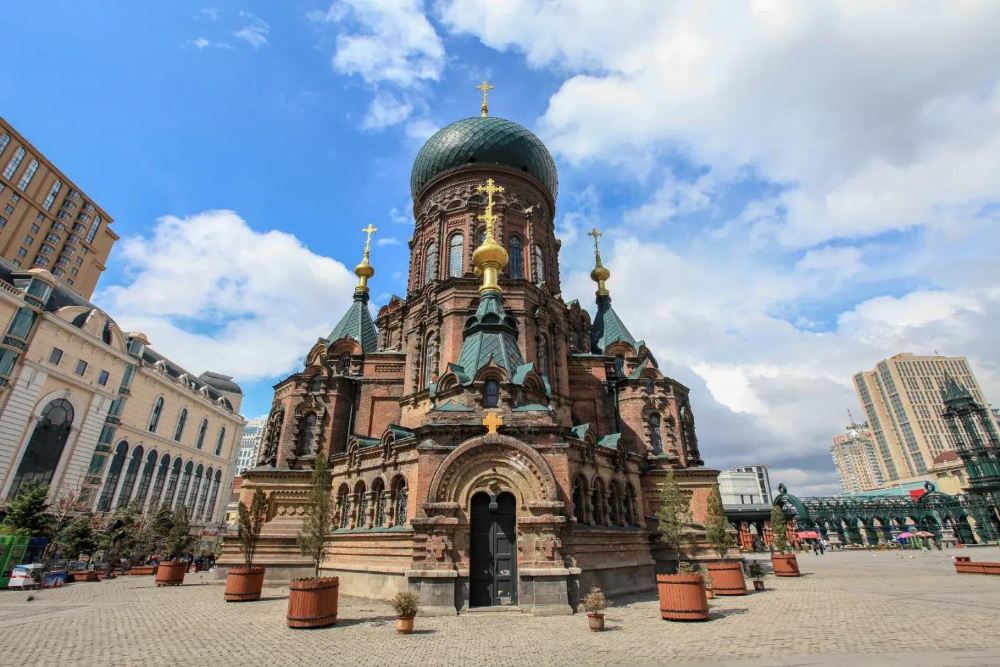
▲ Saint Sophia Cathedral was built in 1907 and is currently one of China's best-preserved Byzantine-style buildings. It was renamed "Harbin architectural art museum" in 1997, but both locals and out-of-town visitors prefer to call it "Saint Sophia Cathedral".
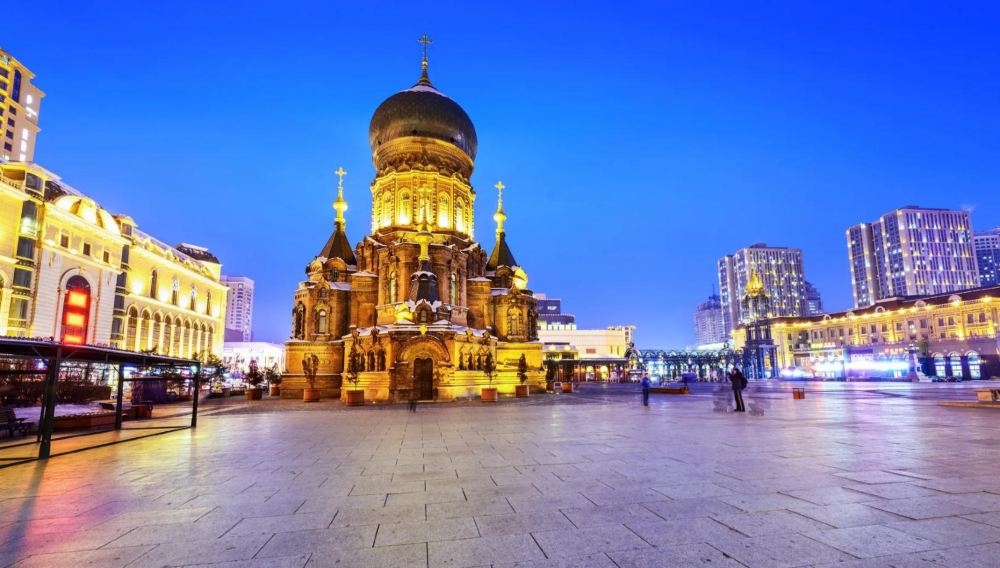
▲ The most striking feature of this church is its full and massive onion-shaped dome, a quintessential element of Russian architectural style that rivals the grandeur of Saint Basil's Cathedral in Moscow. The church walls are built with exposed red bricks, while the main dome is surrounded by four tented roofs of varying sizes. Staircases connect the floors beneath these roofs, and the church has four entrances on all sides.
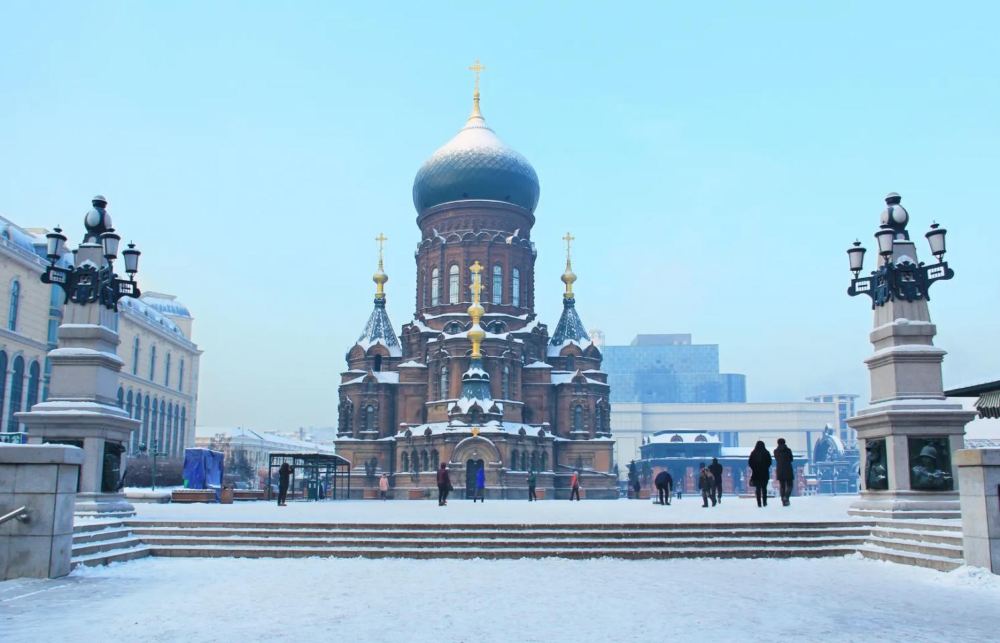
▲ After being converted into an art gallery, the cathedral underwent interior renovations. Through the display of nearly a thousand images and urban planning models, it reflects the history, present, and future of the renowned city of Harbin. However, the original layout was altered during the renovation, and its function as a church has been lost. The square in front of the cathedral features "square pigeons" and a large musical fountain, making it a popular spot for wedding photos. Compared to daytime, the cathedral's night view is even more beautiful. When night falls, the cathedral appears majestic and mysterious under the lights, exuding an exotic charm. In winter, with snowflakes drifting in the air, the Saint Sophia Cathedral looks like a fairytale castle, creating a dreamy atmosphere.
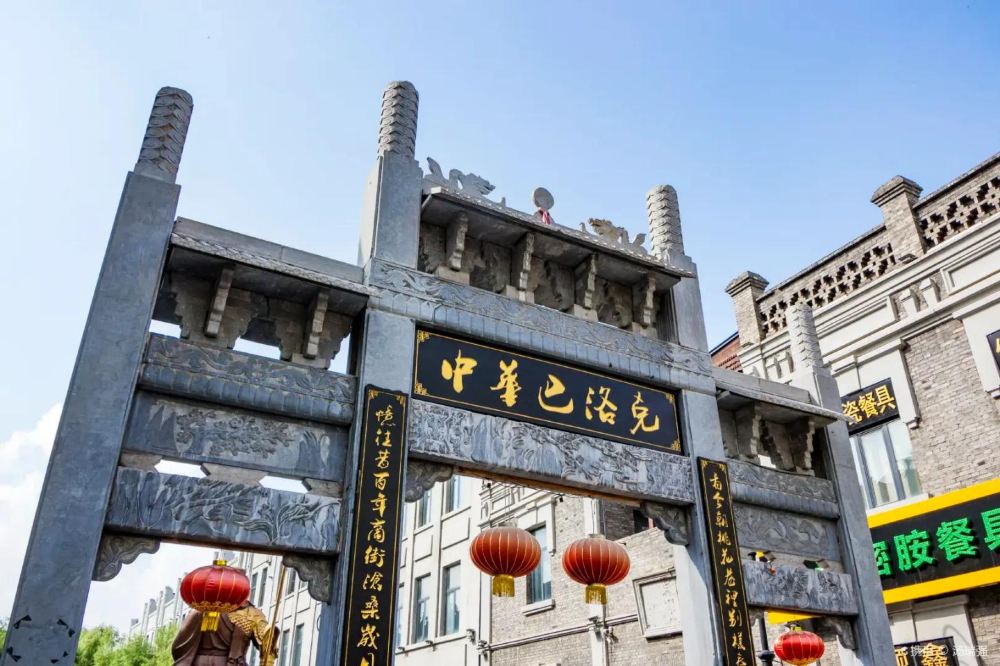
▲ Chinese baroque is located in the old Daowai area, specifically South Third Street, South Second Street, and South First Street. The surrounding buildings include both renovated historic structures and replicas. The streets are quiet, with long-standing shops like Zhang Bao Pu and Fan Ji Yong. Avoid visiting during peak meal times, as the area becomes extremely crowded with people waiting in line - it's incredibly popular. The street and courtyard bronze statues transport you back in time, creating a nostalgic atmosphere.
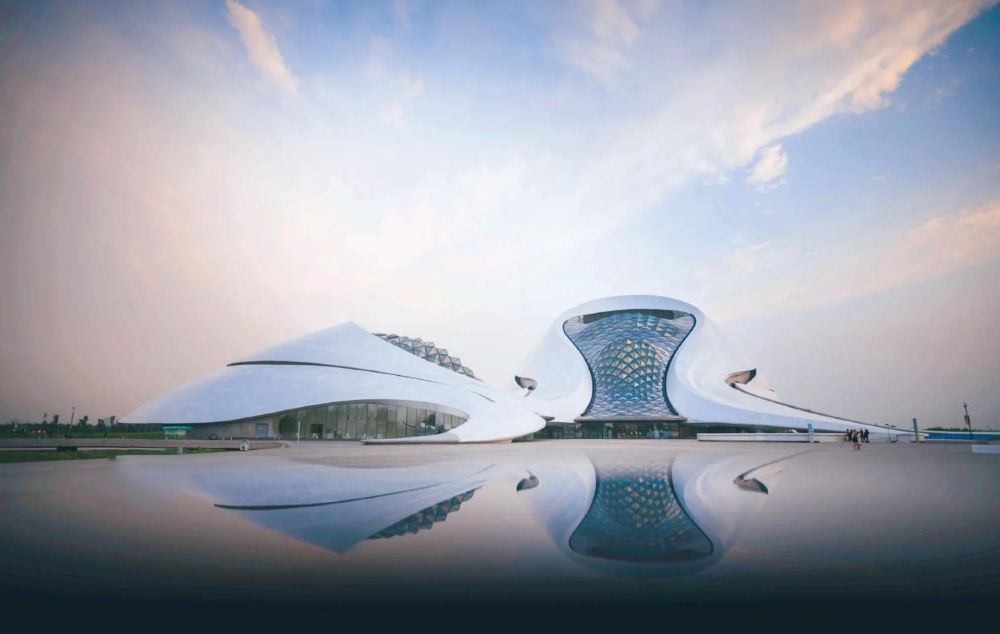
▲ Harbin grand theater faces Harbin sun island scenic spot across the river and is adjacent to the Siberian tiger park. It covers an area of 72,000 m² with a construction area of 79,000 m². The complex includes a grand theater, small theater, ticket office and parking lot. The grand theater mainly hosts large-scale operas, dance dramas and ballets, while the small theater primarily accommodates dramas and chamber music performances, along with traditional opera performances and conferences. Harbin grand theater is positioned as an international platform for high-end art exchange, a new landmark for urban construction and cultural development, a cultural palace for art education, and an art production base rooted in northeast China that radiates nationwide and faces northeast Asia.
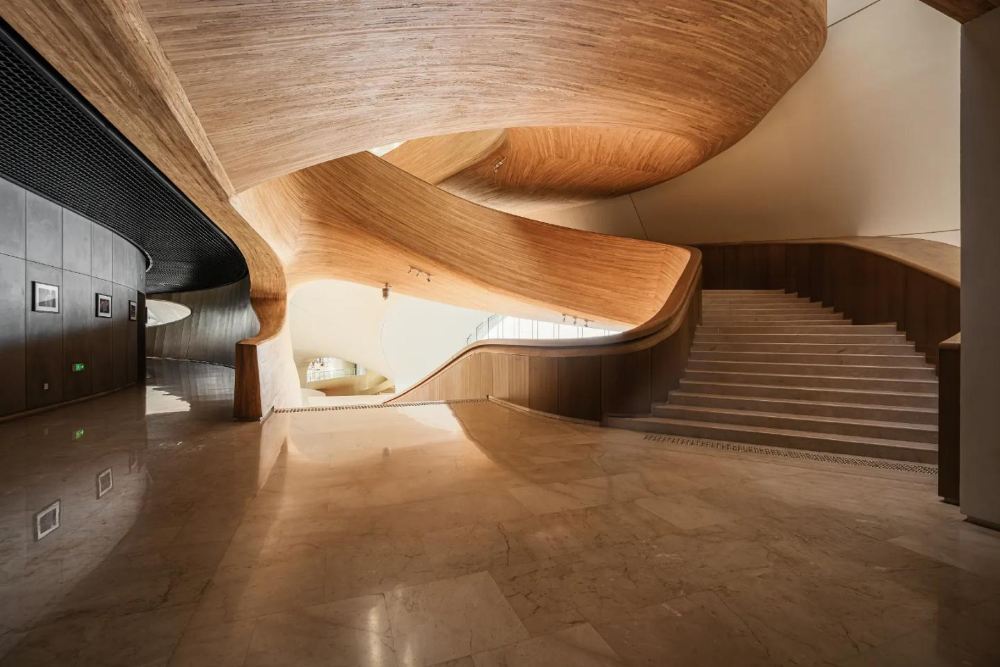
▲ The design inspiration for Harbin grand theater comes from the snowy landscapes of the northern region. The entire architectural complex resembles rolling snow-capped mountains, flowing as smoothly as drifting clouds. In summer, it appears like a silver ribbon fluttering between blue waters and skies; in winter, it stands like a snow sculpture carved by river winds amidst a world of white. The theater blends seamlessly with the surrounding wetland views, becoming part of the natural landscape. It pioneered the introduction of natural light into the theater, enriching lighting options during non-performance hours and creating an energy-saving, eco-friendly model. The streamlined design of the multi-island auditorium harmonizes with the overall external architectural style, achieving both beauty and novelty. The small theater features a rear-opening stage that transforms outdoor scenery into stage backdrops, offering audiences a unique theatrical experience.
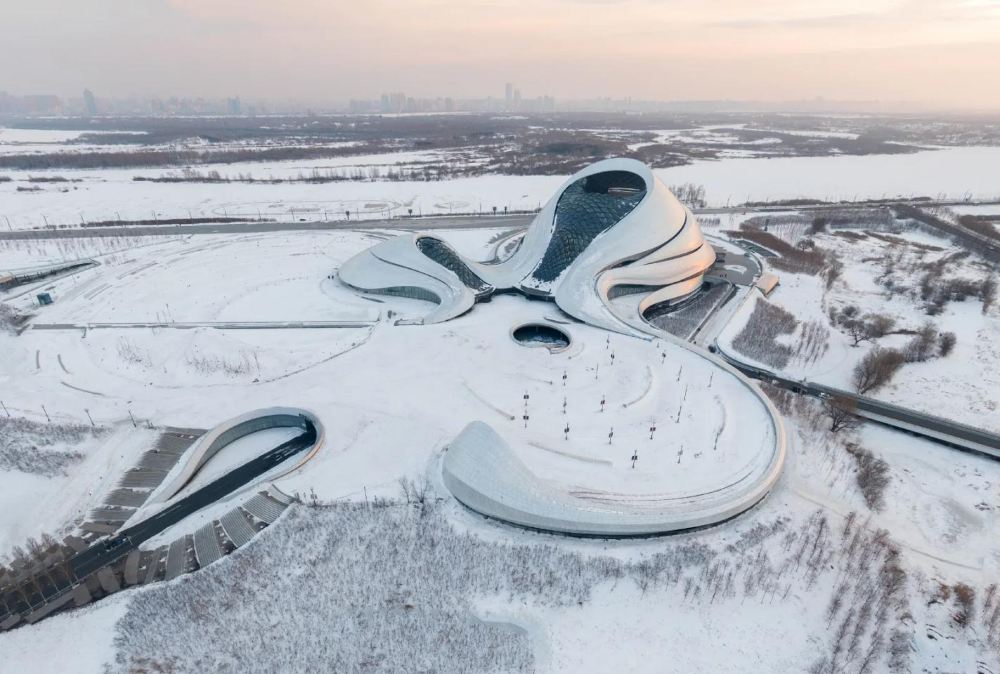
▲ The roof of the grand theater features the world's first walkable sightseeing circular corridor. Through an organic integration with observation platforms at different heights, the entire theater has been transformed into an all-weather 360-degree viewing platform, offering visitors a fresh perspective to enjoy the scenery. Harbin grand theater is nestled in a picturesque wetland area, with boardwalks winding through and water systems surrounding it, providing visitors with unique seasonal experiences throughout the year. The construction of Harbin grand theater also boasts many distinctive features. To meet various requirements such as fire safety, acoustics, and aesthetics, the designers innovatively used glass fiber reinforced concrete (GRC) as the base material, then adhered decorative wood strips to its surface. Over 200,000 Manchurian ash wood strips, totaling 190 km in length, were meticulously hand-installed on-site by skilled workers.
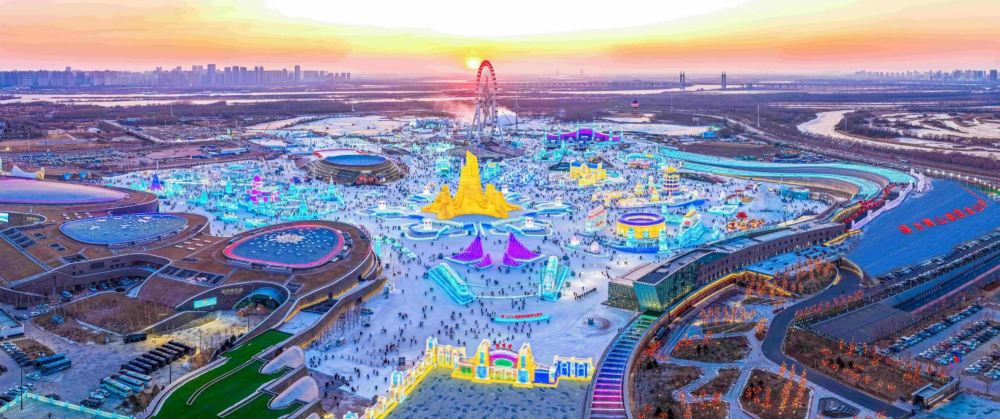
▲ Spring: ice-breaking renewal journey (March-May) Summer: refreshing contrast of ice and fire (June-August)
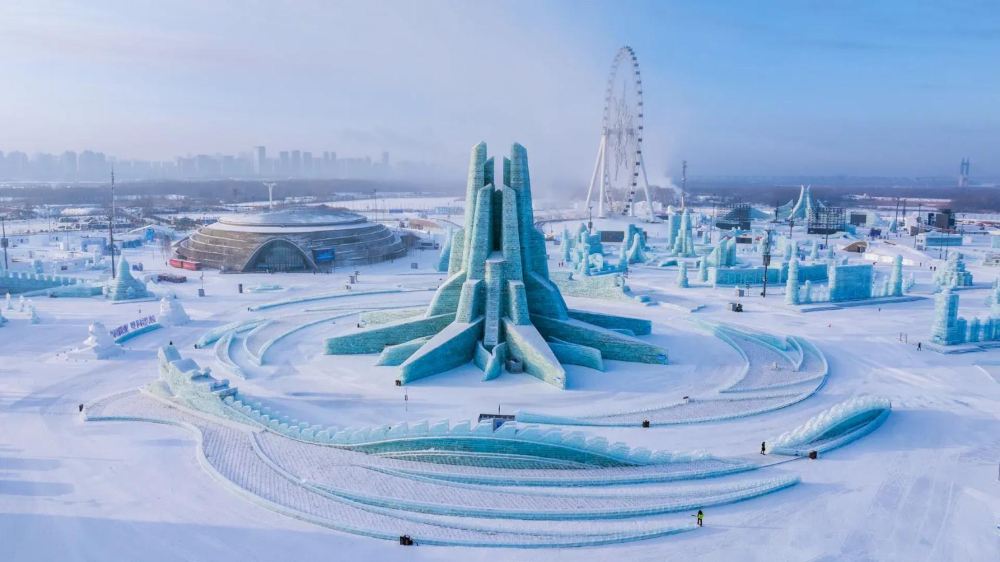
▲ Fall: romance of colorful forests and ice (September - November) Winter: ice and snow carnival (December - February or March of the following year)
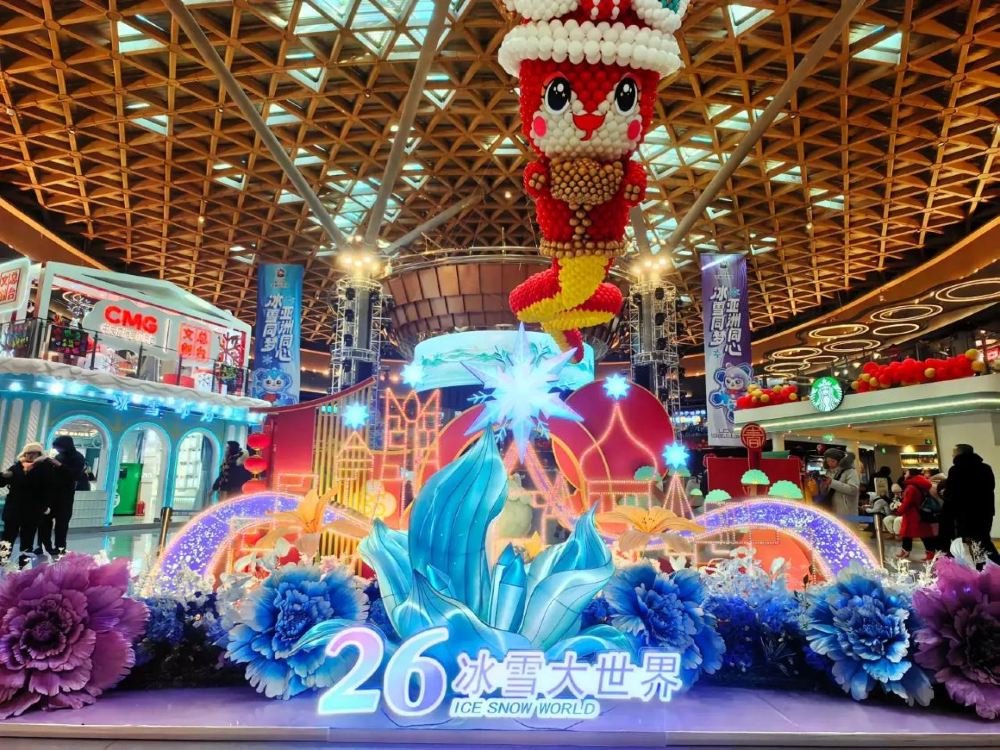
▲ China Harbin Ice And Snow World: A year-round ice and snow feast
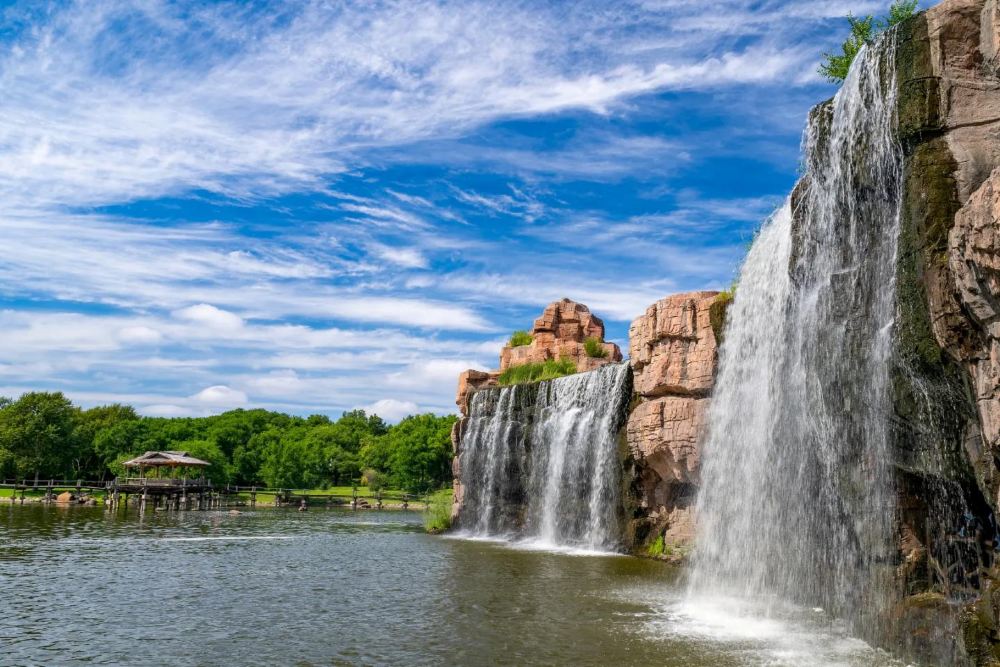
▲ Historical origins Harbin Sun Island Scenic Spot is a small river island located on the north bank of the Songhua River in Harbin. In earlier times, the Manchu people engaged in fishing and hunting here. The Songhua River was abundant with bream fish, whose Manchu name sounded remarkably similar to the Chinese pronunciation of "sun" (taiyang). This association has been passed down through generations, giving the island its name. During the Kangxi era of the Qing Dynasty, the area was developed as a naval base and later served as a training and inspection ground for Qing government naval forces.
▲ With the construction of the China Eastern Railway and the success of the October Revolution in the Soviet Union, a large number of Russian and European expatriates flocked to Harbin. Attracted by the island's natural scenery and beautiful views, they built houses, vacation villas, restaurants, and various recreational facilities on the island. They engaged in hunting, fishing, picnicking, and outdoor bathing here, and these exotic buildings became unique cultural landmarks on the island.
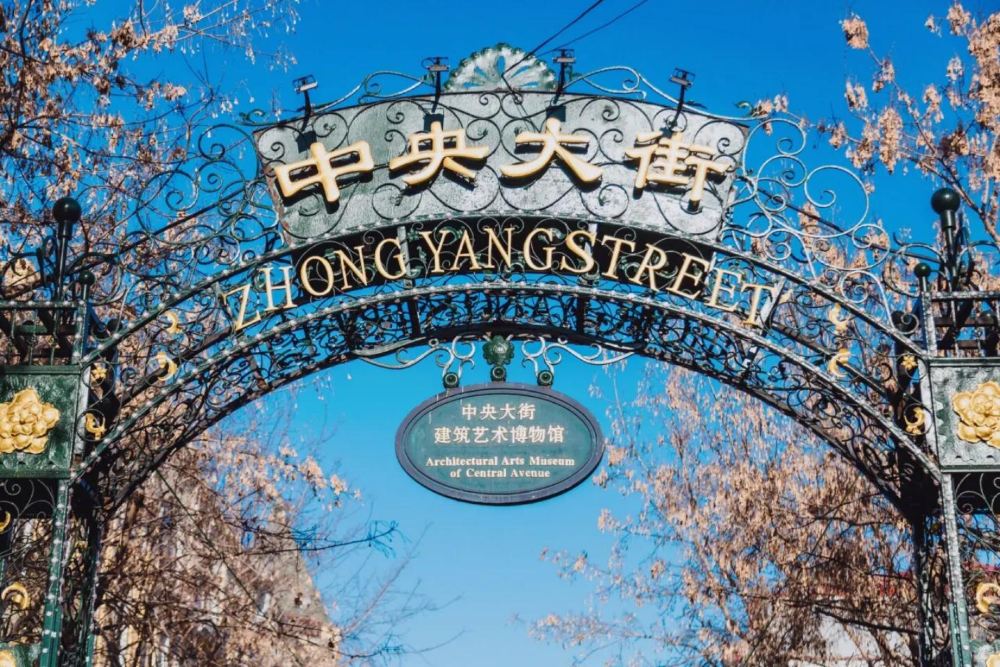
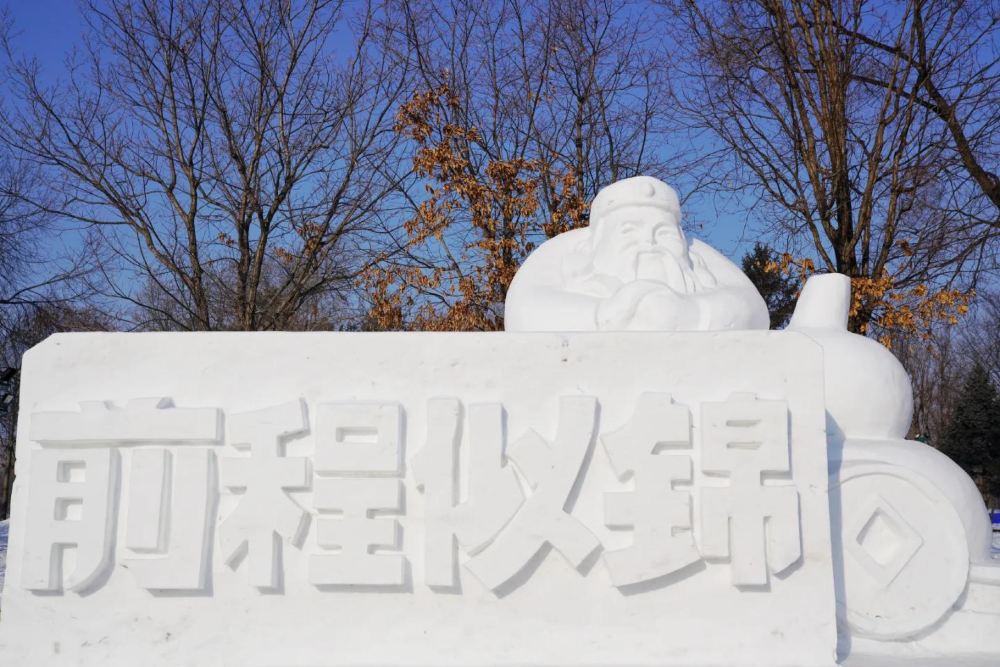
▲ A visit to Zhongyang street is incomplete without trying authentic Russian-style Western cuisine and the famous Ma Dieer ice pops. This century-old commercial street is lined with classic European architecture and bustling department stores, glowing with dazzling lights at night—a must-experience spot in Harbin. Stretching from the Flood Control Monument by the Songhua river in the north to Jingwei street in the south, this cobblestone pedestrian avenue is flanked by European buildings showcasing Renaissance, Baroque, and other architectural styles, exuding romance. During the Ice and Snow Festival, the street comes alive with whimsical ice and snow sculptures, perfect for memorable photo opportunities.
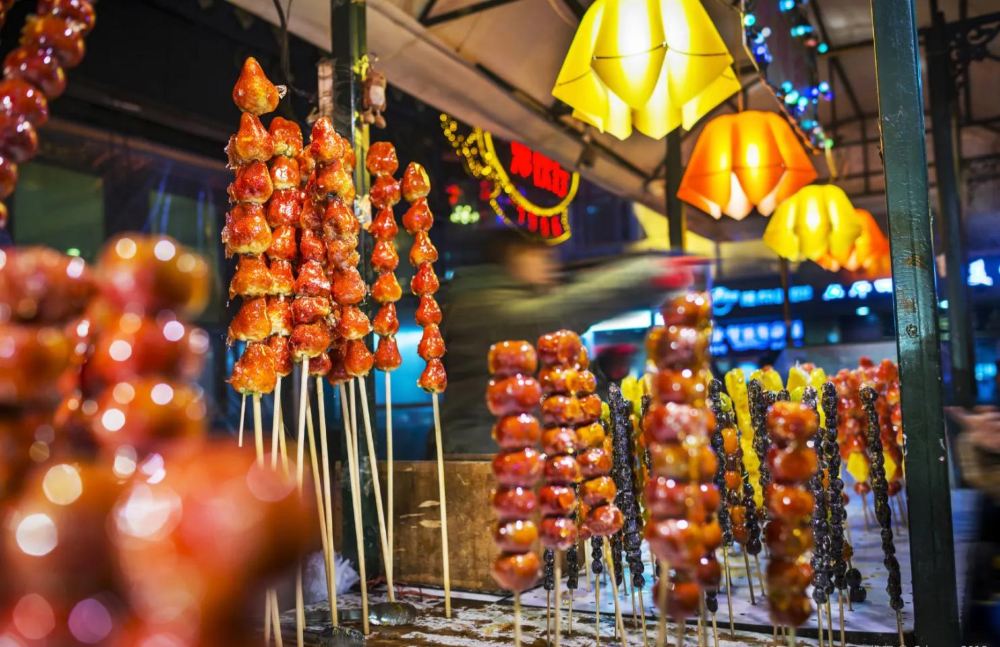
▲ The various large department stores on Zhongyang Street always attract countless shopping enthusiasts. Famous Russian-style Western restaurants like Huamei Western Restaurant (Harbin Zhongyang Street branch) and Portman Western Restaurant, along with the delicious Ma Dieer ice cream, are reasons why many visitors flock here. Additionally, there are Russian handicraft shops and specialty stores like Qiulin Food. The northern end of Zhongyang Street leads to the Flood Control Monument. The Songhua River bank is perfect for summer strolls, while the frozen river in winter offers activities like horse-drawn carriage rides, snow tubing, and ice skating. Heading east from the middle section of Zhongyang Street takes you to Zhaolin Park, the venue for the winter ice lantern festival. From the southern end of the street, heading east leads to Saint Sophia Cathedral.