





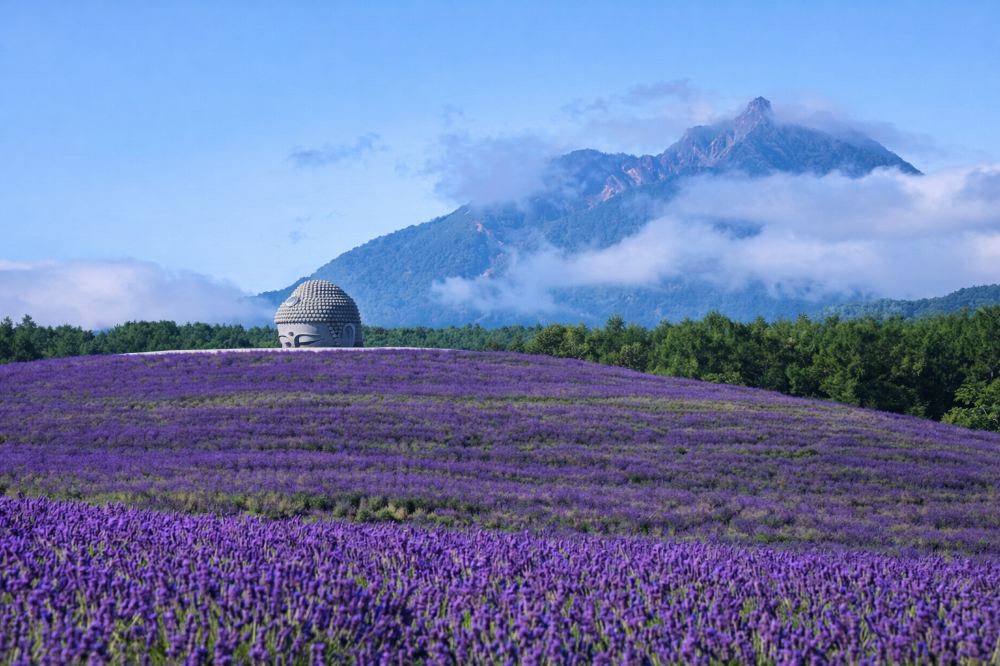
▲ rolling hills are covered by a vast field of blooming lavender, with the top of the Buddha's head just visible above the structure. The sea of purple flowers sways in the breeze against fog-shrouded peaks, creating this iconic, harmonious landscape.
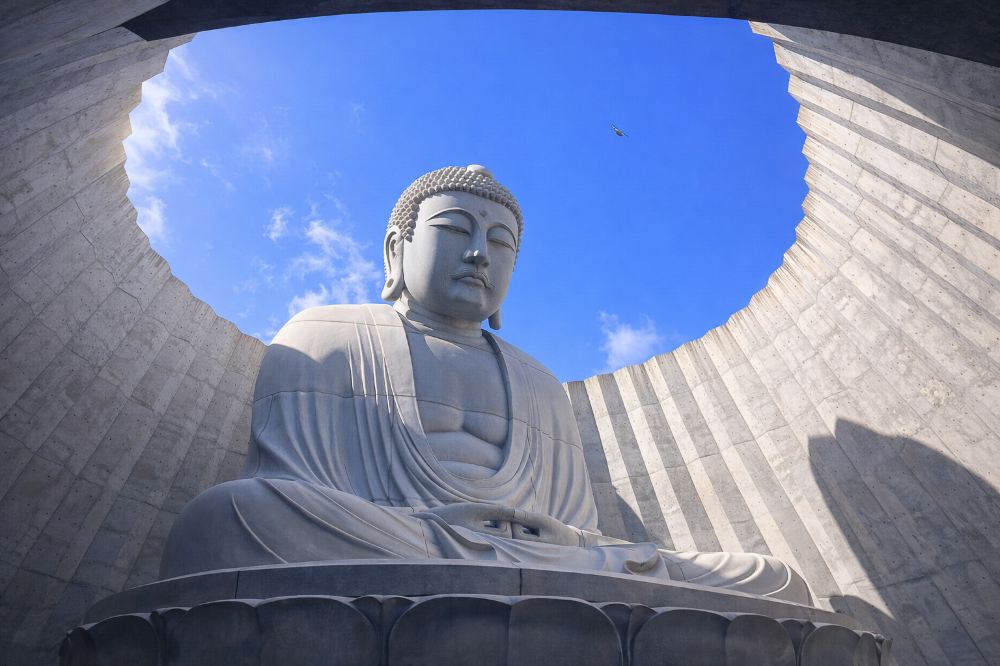
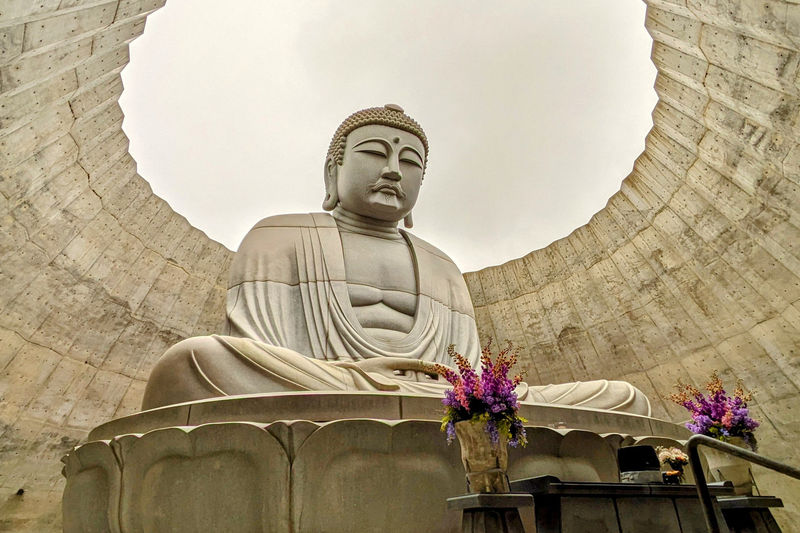
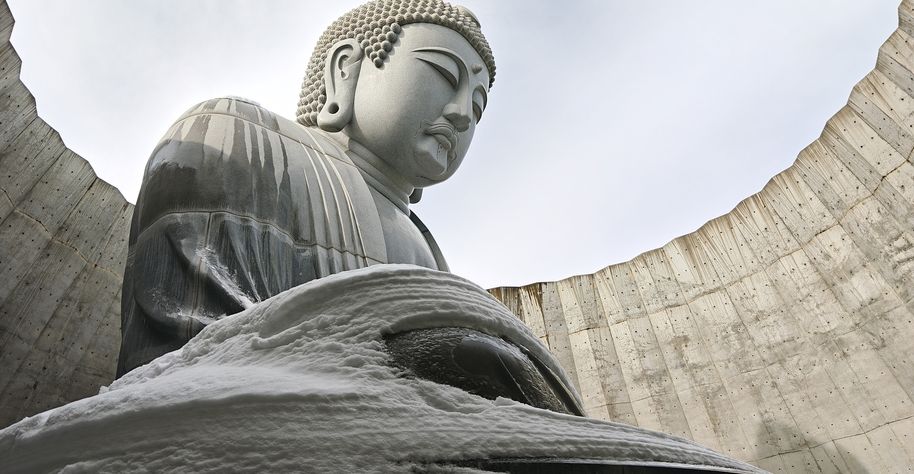
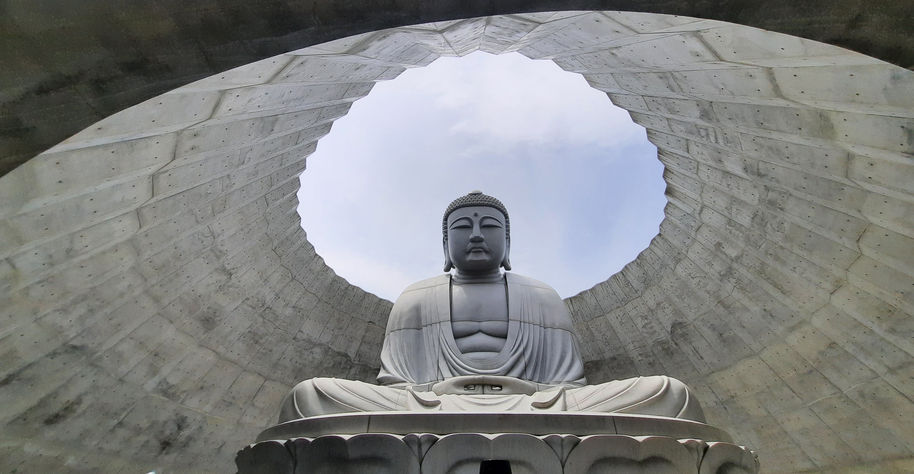
▲ Step inside the Hill of the Buddha complex to look up at the giant, dignified statue. The structure features a large circular skylight, inviting nature and light into the space. This Tadao Ando-designed area combines concrete and shifting shadows to create a truly serene, sacred ambiance.
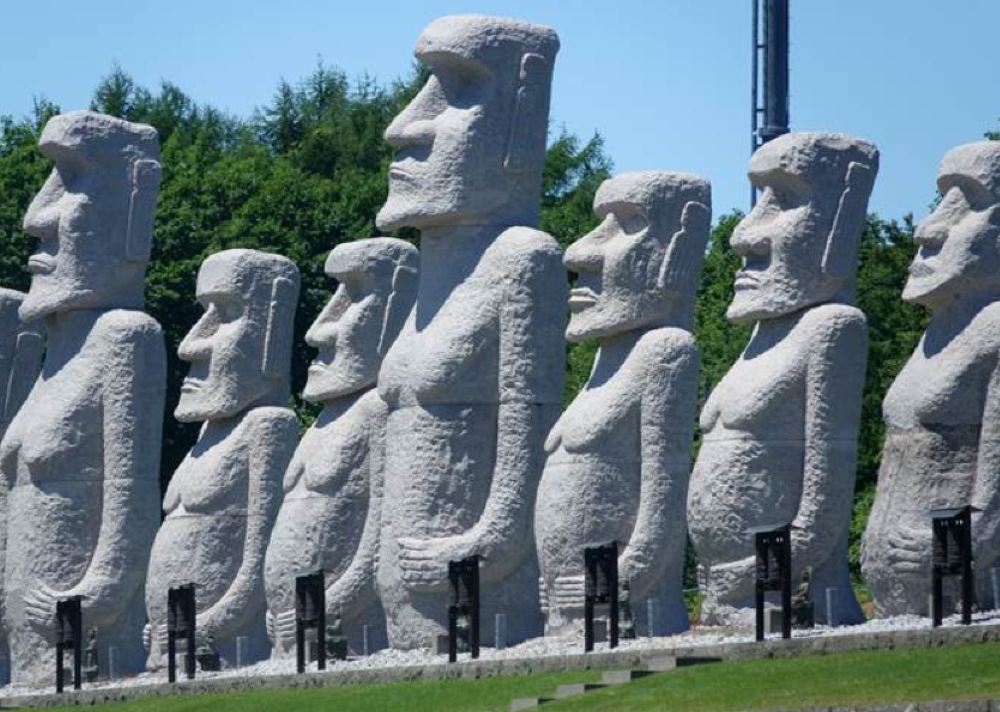
▲ Takino Cemetery is adorned with multiple giant Moai statue replicas, standing tall between clear blue skies and green grass. Alongside other world architectural elements within the cemetery, these statues create a diverse, multicultural spatial experience.
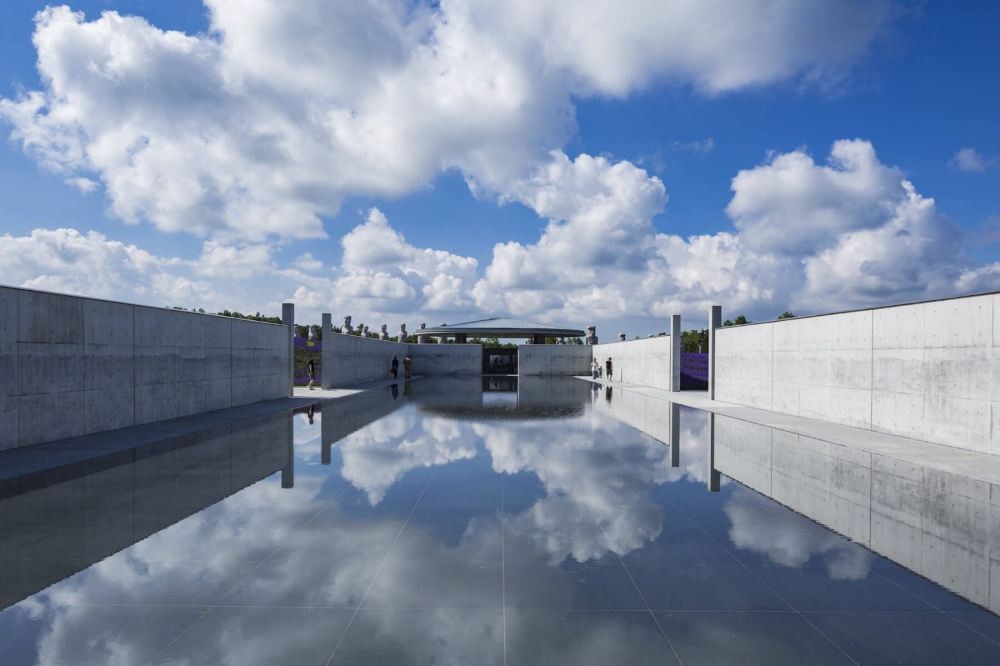
▲ The entrance of this modern minimalist building utilizes still water to form a mirror surface. Geometric lines seamlessly blend with the water, clearly reflecting the fluffy white clouds and blue sky above, showcasing the beauty of balance in Tadao Ando's designs using light, shadow, and water.
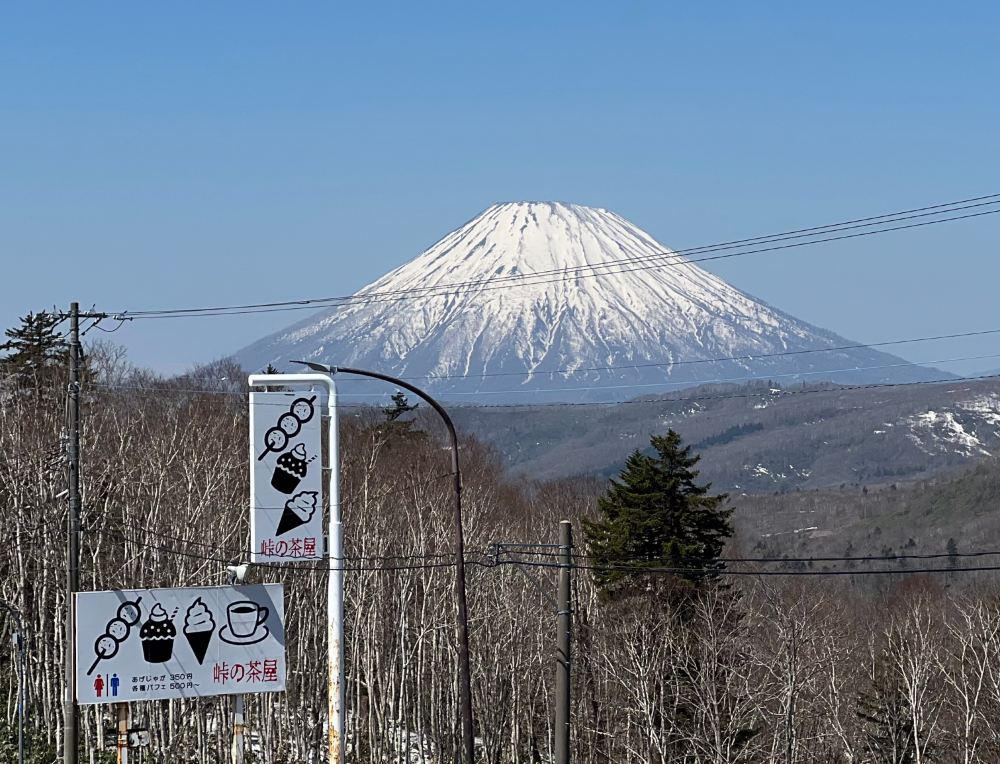
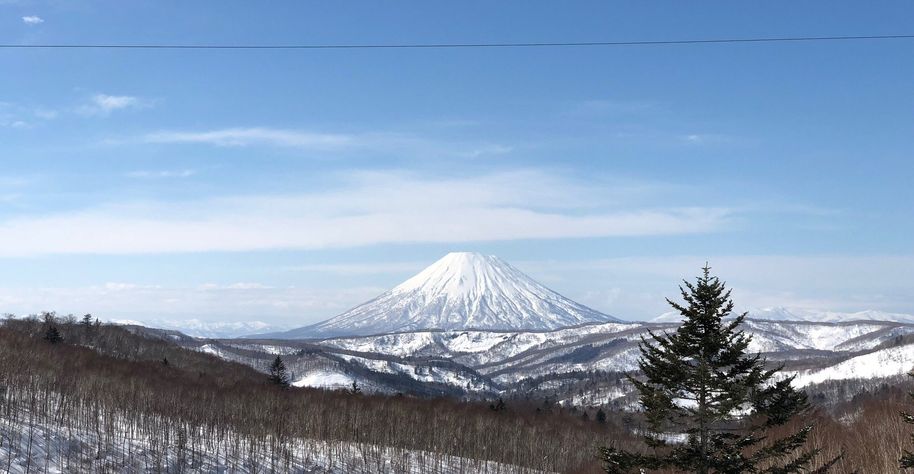
▲ A distant view of Mount Fuji in Ezo.
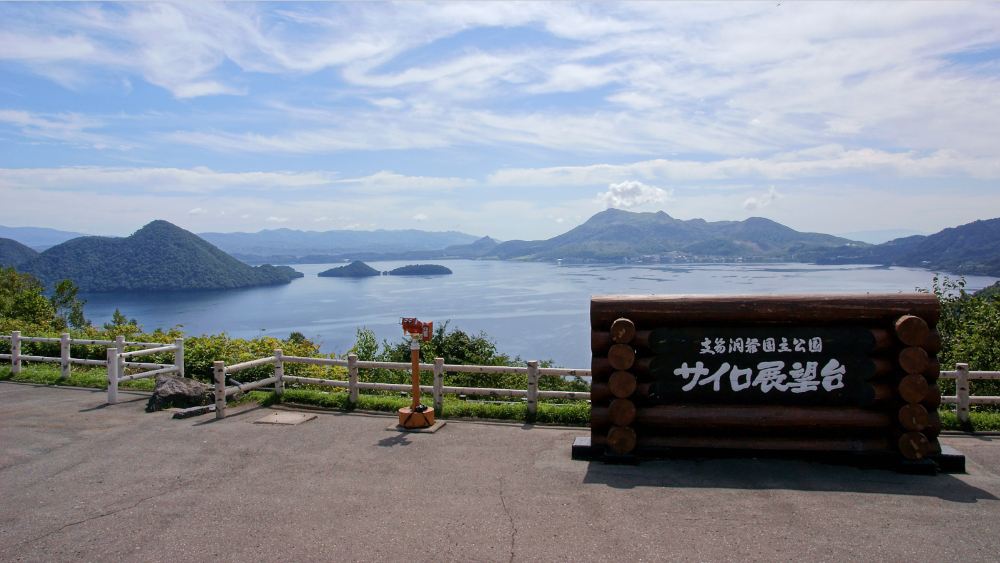
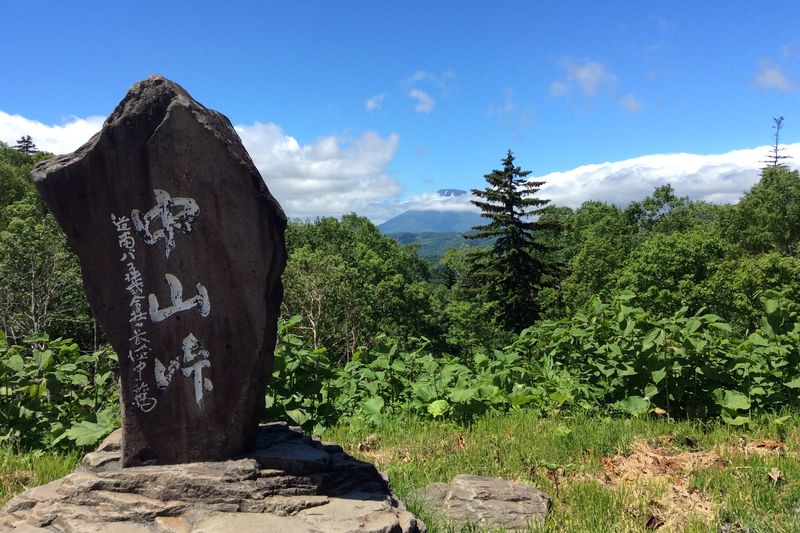
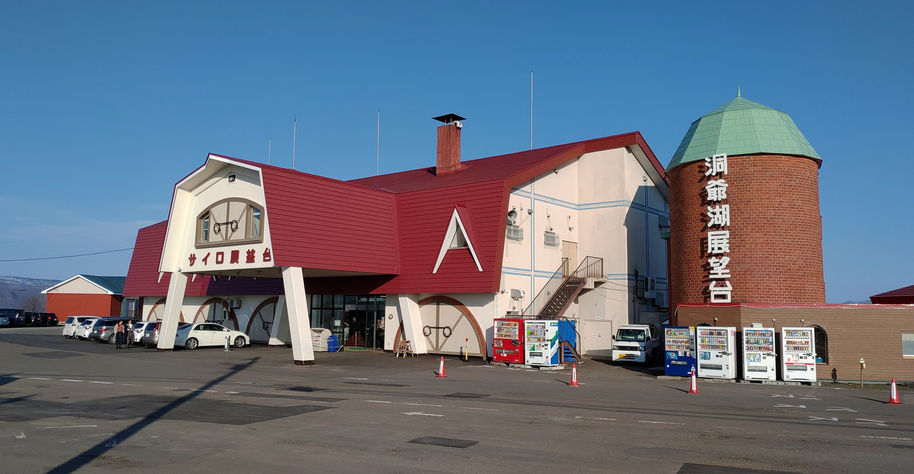
▲ Located on the northern high ground of Lake Toya, the Silo Observatory features its iconic wooden sign. From here, visitors can look down upon the tranquil lake, taking in sweeping views of Nakajima Island and surrounding peaks.
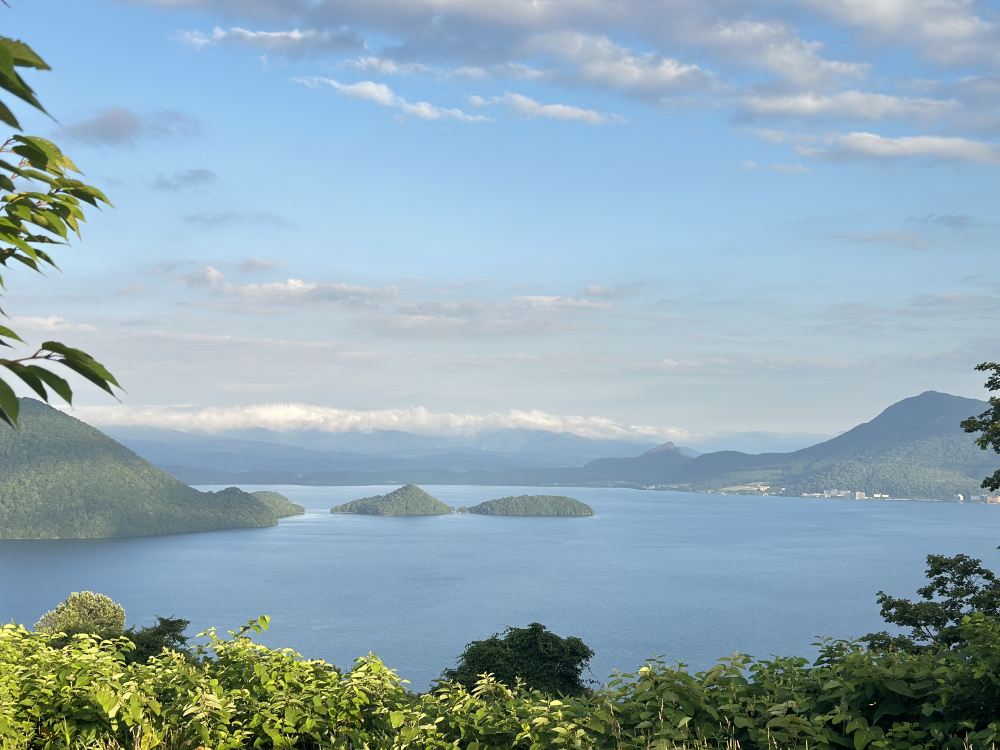
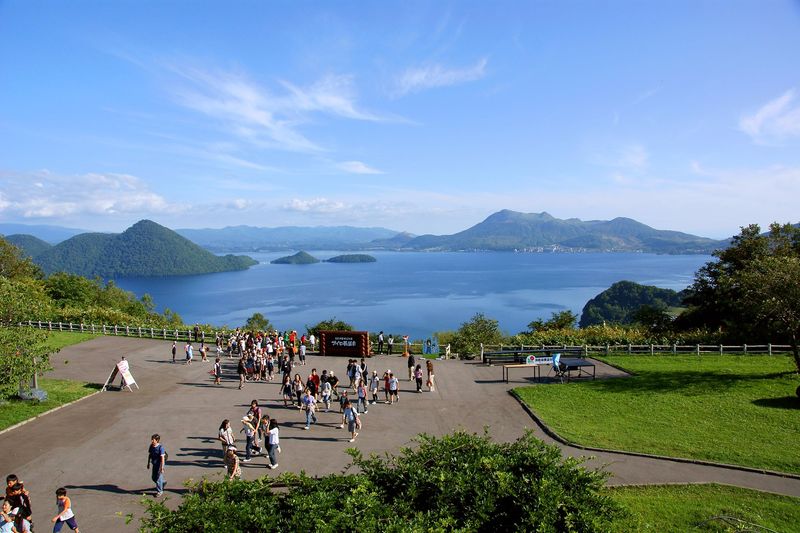
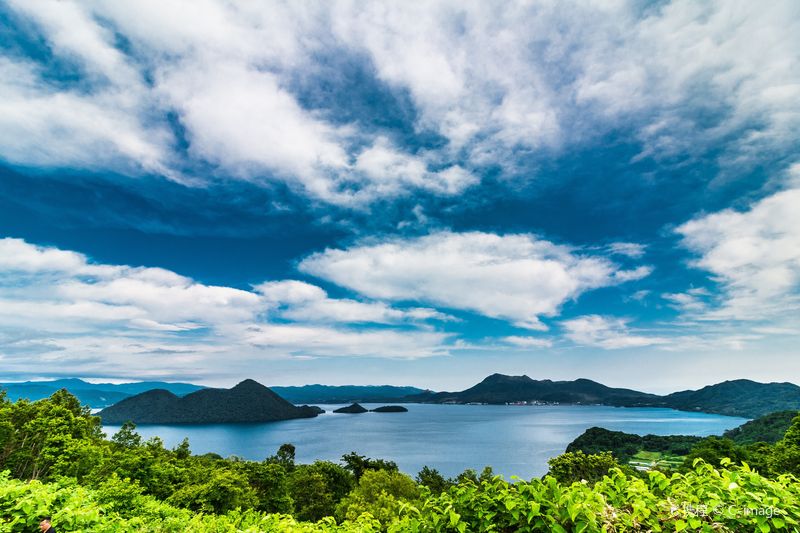
▲ Looking out from the viewpoint, the clear waters of Lake Toya stretch wide, with lush Nakajima Island rising at its center. Blue skies, white clouds, and distant mountain ranges combine to form a classic Lake Toya view.
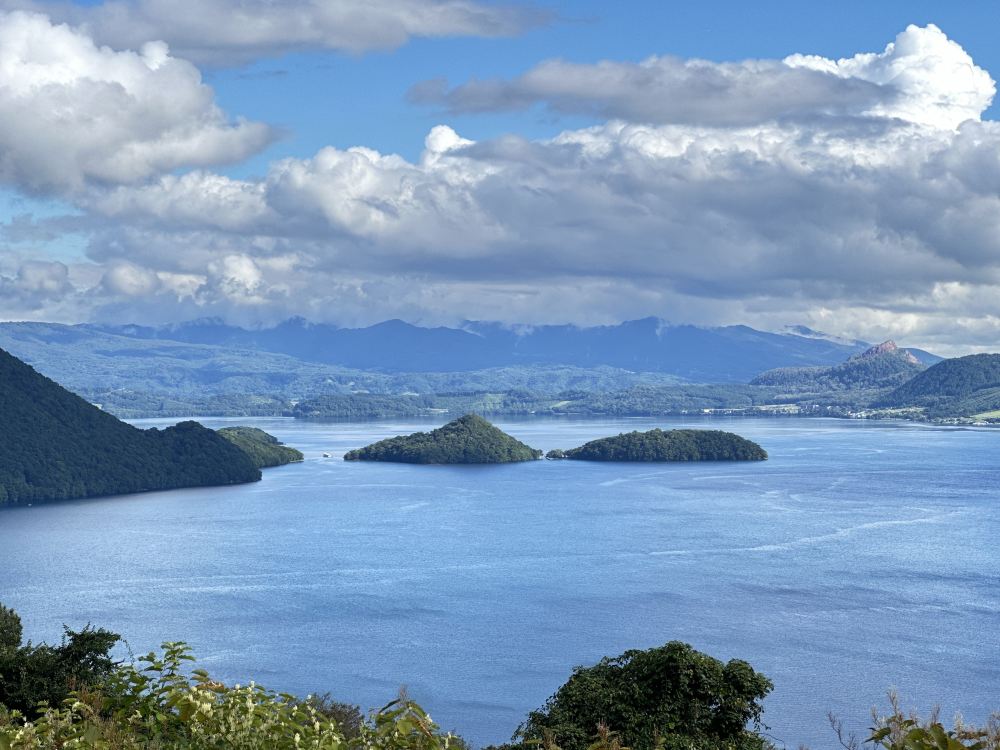
▲ Under clear skies, the waters of Lake Toya glow in vibrant shades of blue, with islands nicely scattered across the center. Sunlight sparkles on the lake's surface, creating a peaceful ambiance for summer visitors.
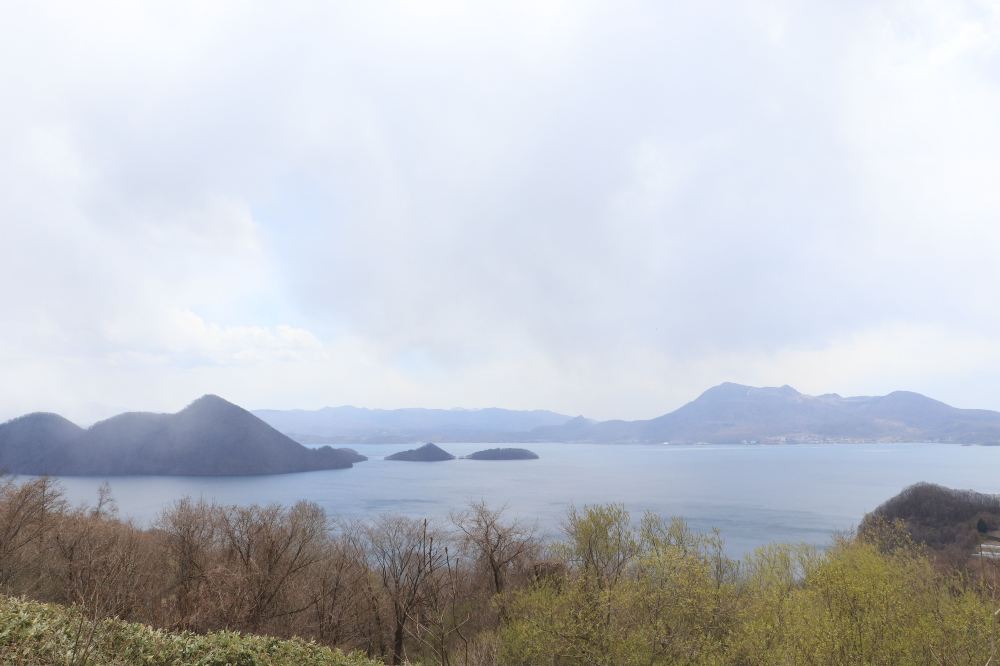
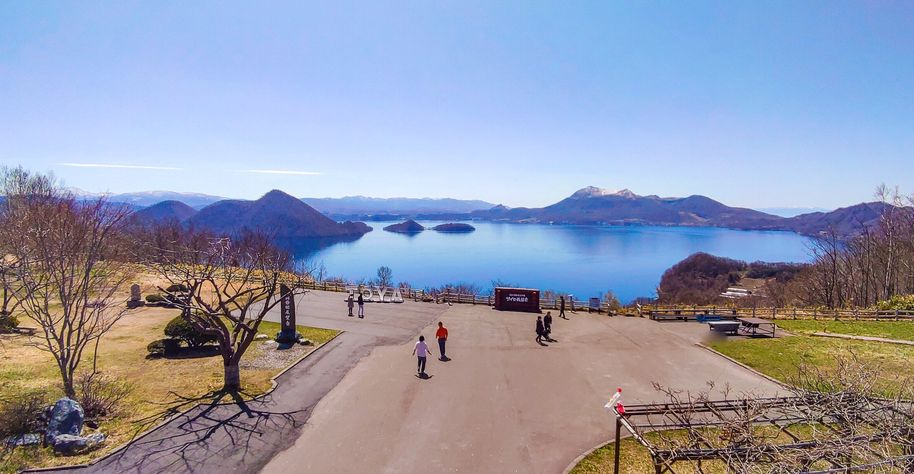
▲ Lake Toya presents unique charm throughout changing seasons. Even during quieter seasonal transitions, the calm waters and distant mountains remain distinct, offering a peaceful, rustic natural perspective.
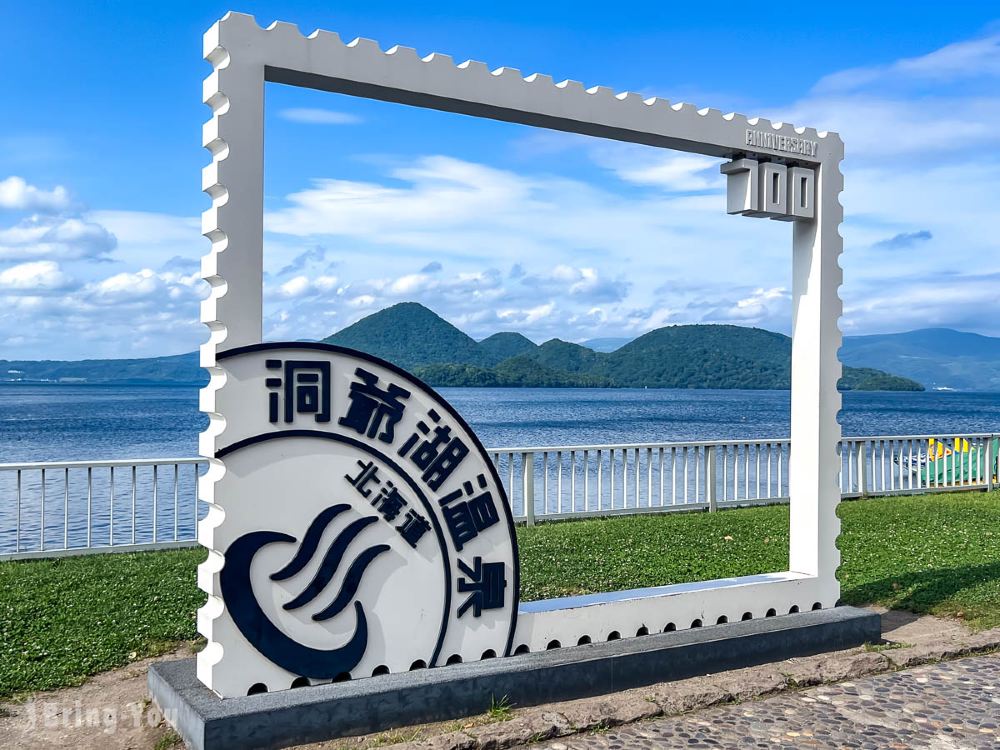
▲ A fun "Lake Toya Onsen" stamp-shaped photo frame is set up along the lakeside. Visitors can pose behind the large white frame with Lake Toya and its islands as a memorable backdrop for photos.
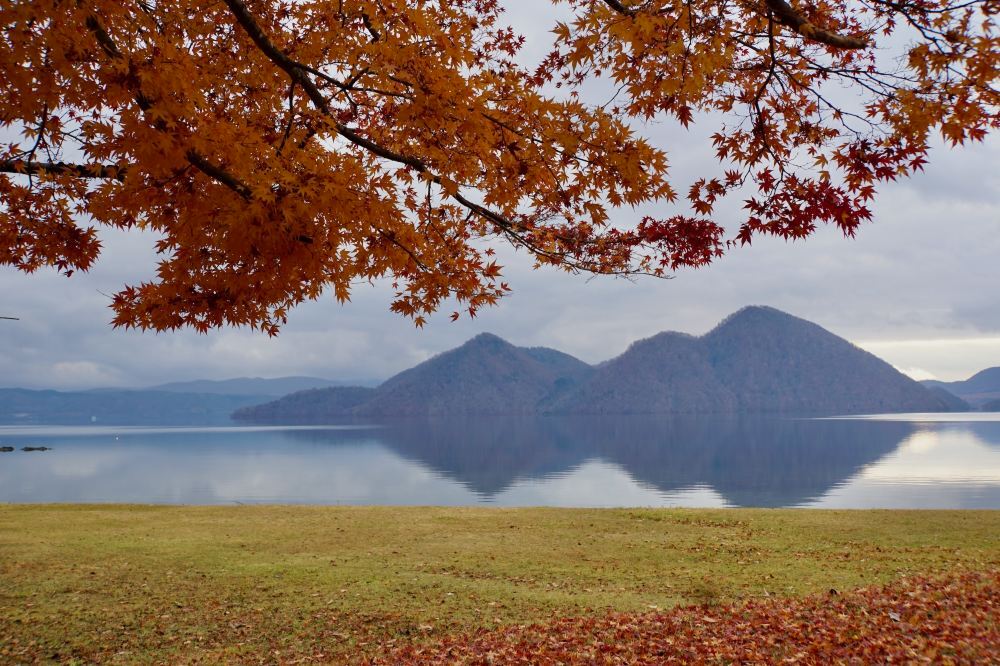
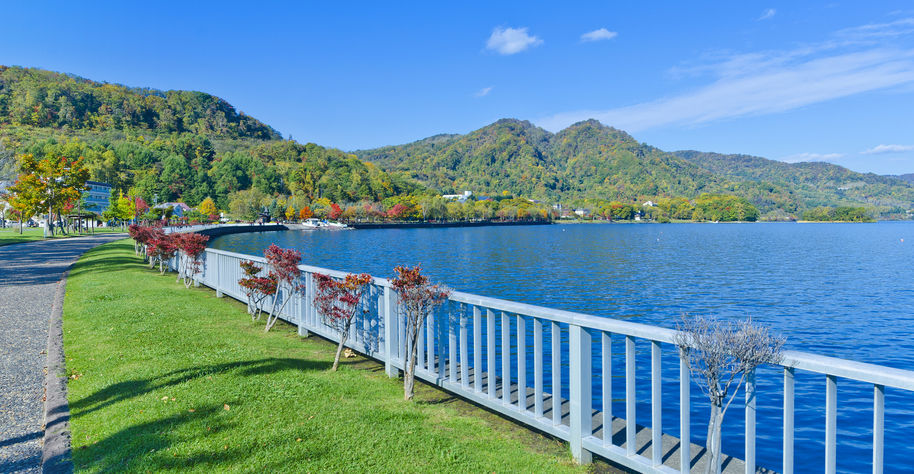
▲ Along the lakefront in autumn, maple trees turn brilliant shades of red. The colorful foliage frames the calm lake and its mirrored reflections of central islands, capturing the rich colors of late fall in Hokkaido.
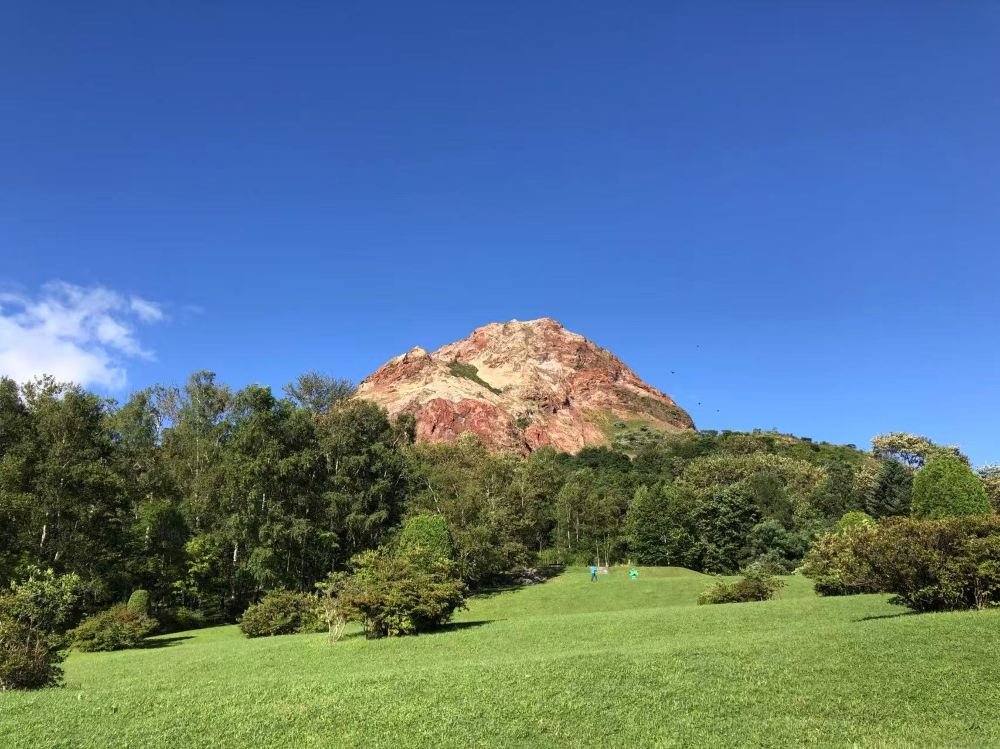
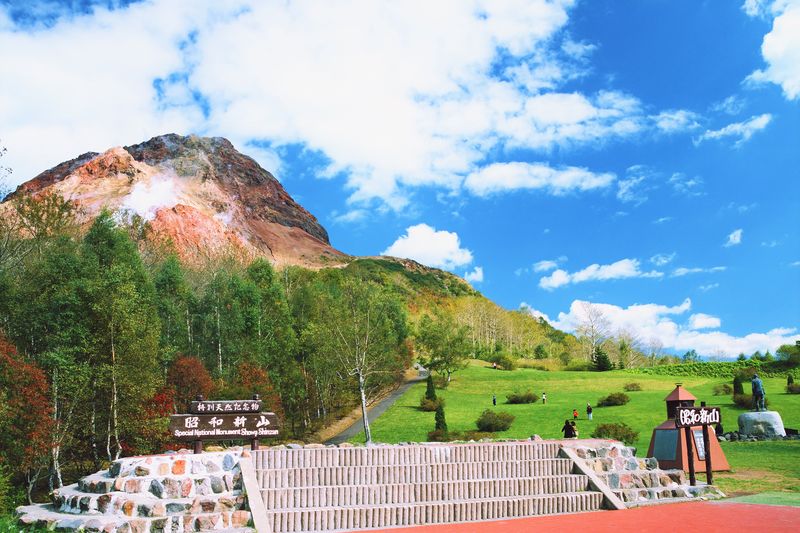
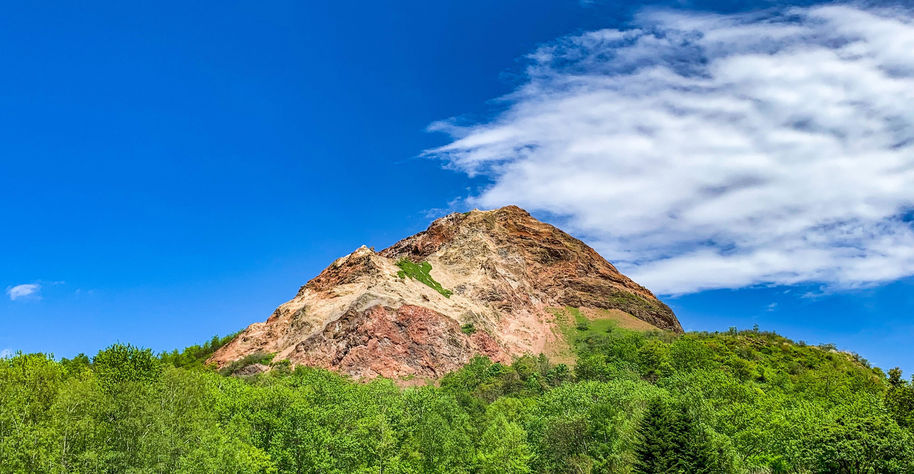
▲ Formed in the mid-20th century, Showa Shinzan is a unique reddish-brown volcanic mountain. Standing out against green trees and lawns, subtle white steam still rises from its rocks, showing natural geothermal activity.
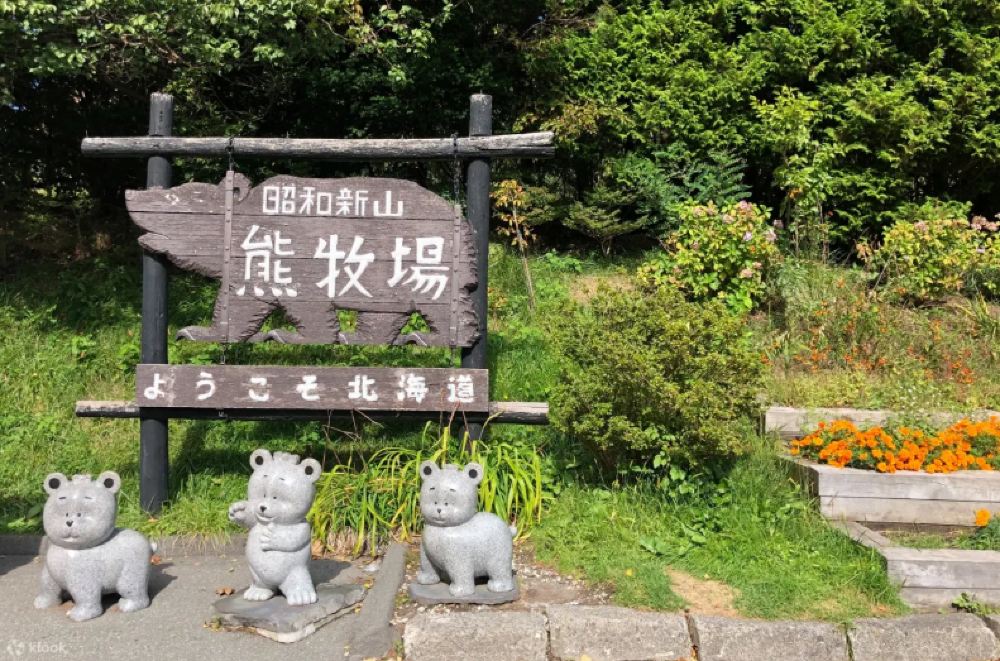
▲ Located next to Showa Shinzan, the Bear Ranch features a welcoming wooden sign with cute stone carvings. Home to Hokkaido brown bears, it offers visitors a chance to observe bear behavior and learn about local wildlife.
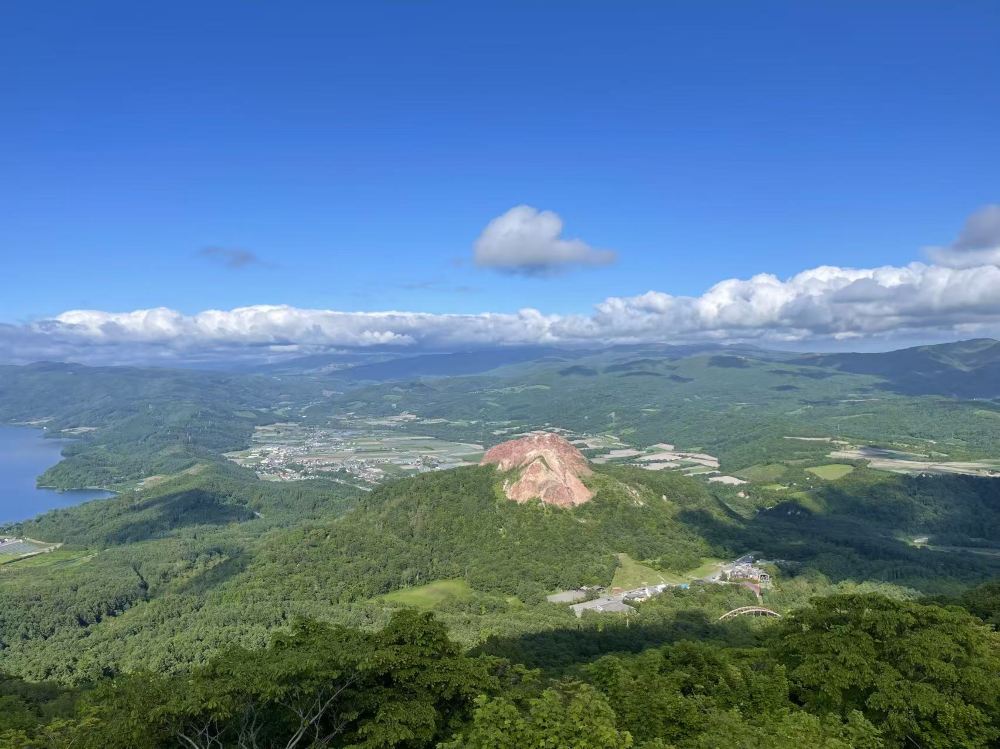
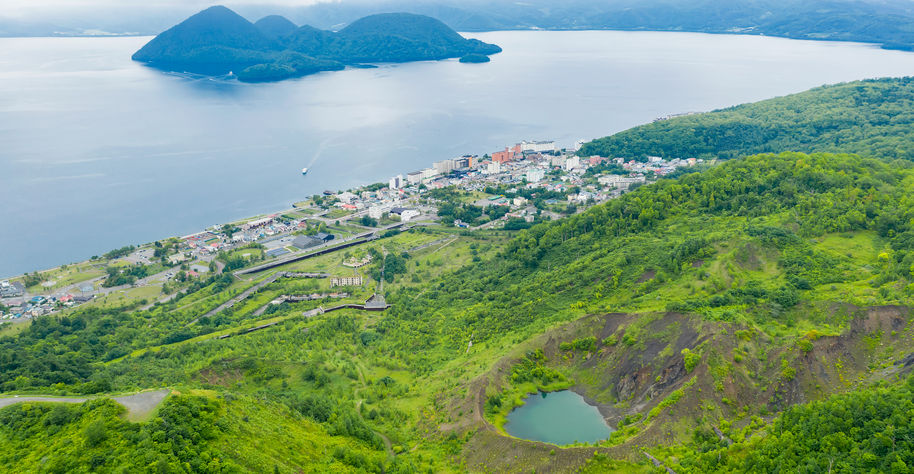
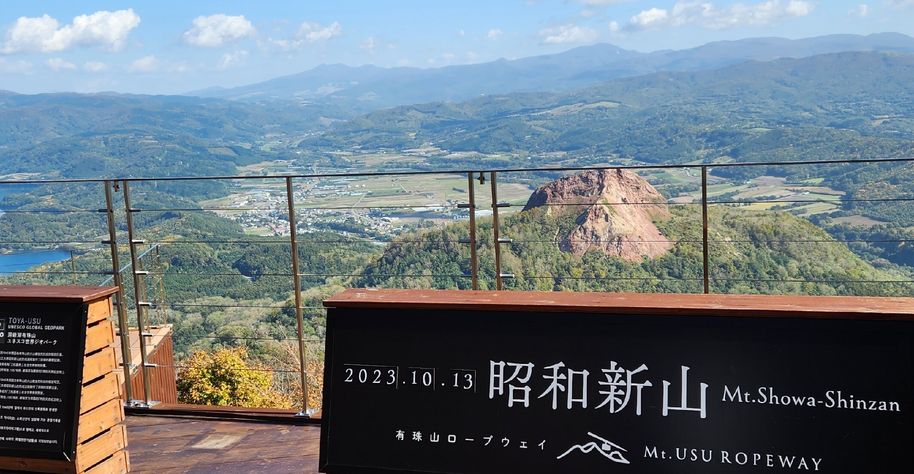
▲ Looking down from the Mt. Usu Ropeway viewpoint, the reddish-brown Showa Shinzan sits surrounded by dense green forests, with Lake Toya visible in the distance. Blue skies and clouds frame this unique landscape where volcanic landforms meet nature.
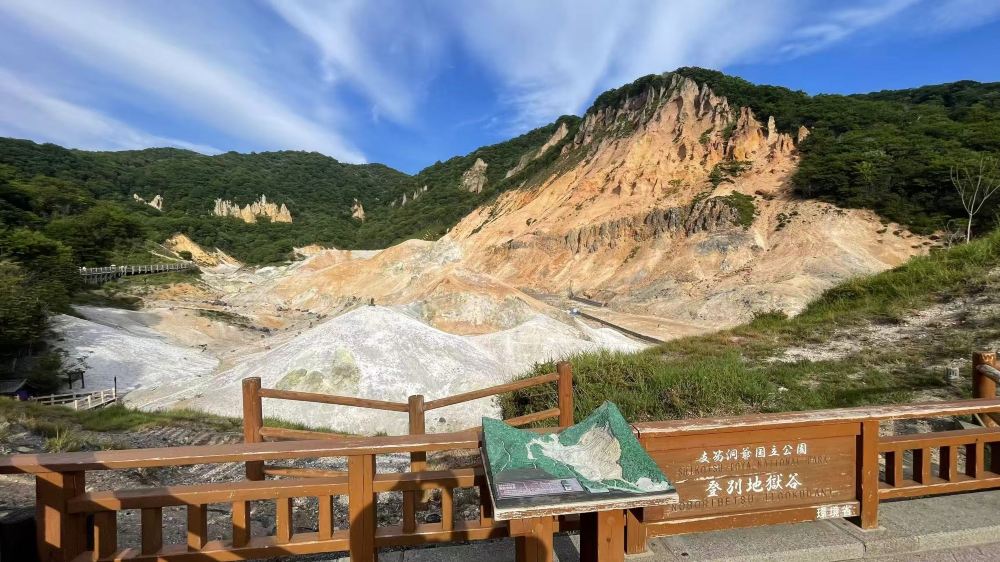
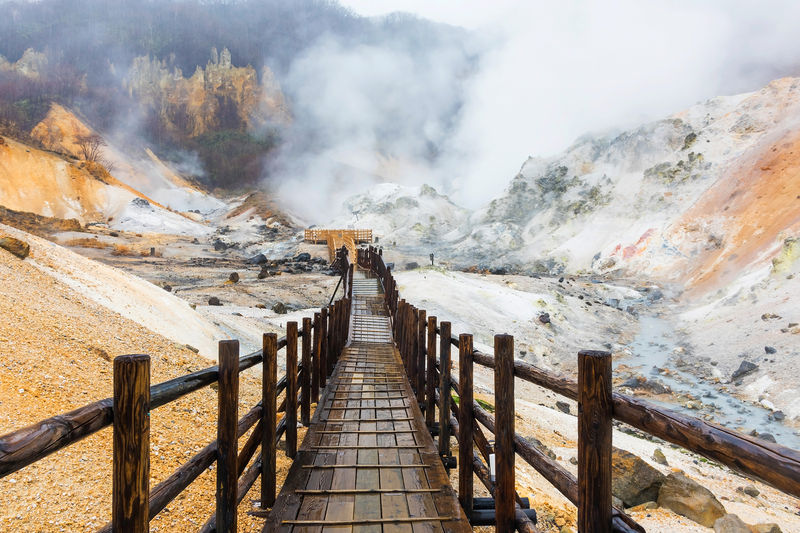
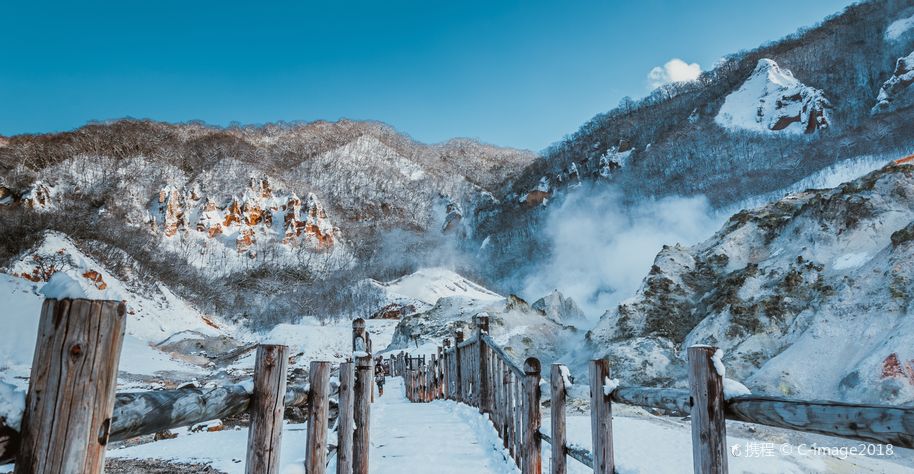
▲ At the entrance of Noboribetsu Jigokudani, wooden signs guide visitors along the boardwalk into the valley. Surrounded by barren, yellowish-brown rock faces formed by volcanic activity, the area showcases the unique natural terrain of geothermal hot springs.
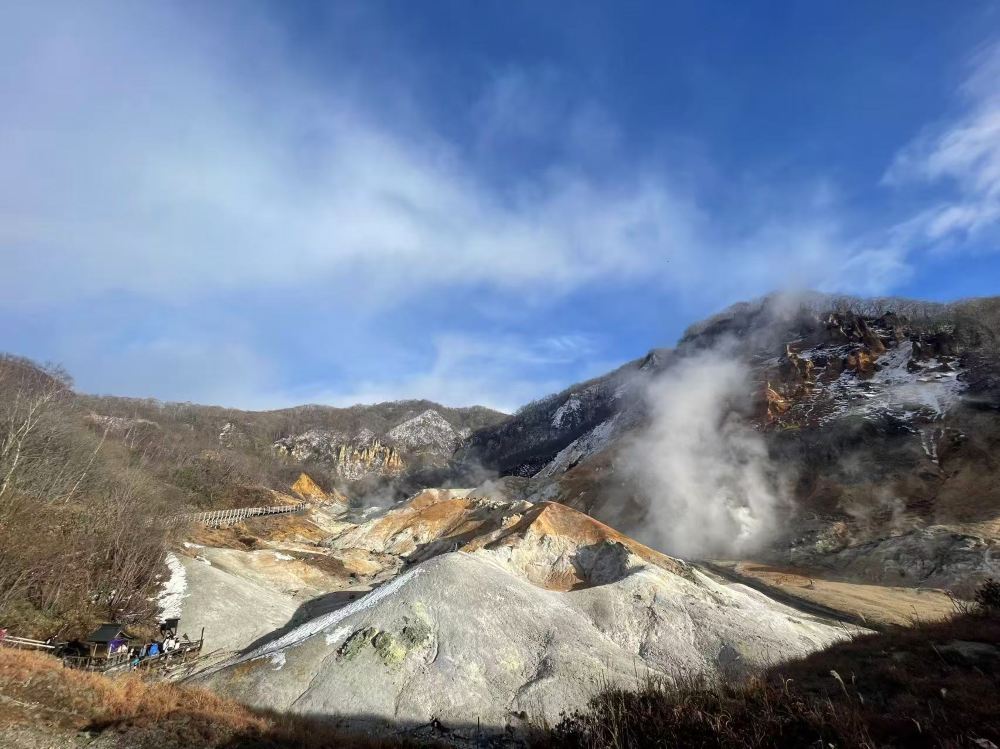
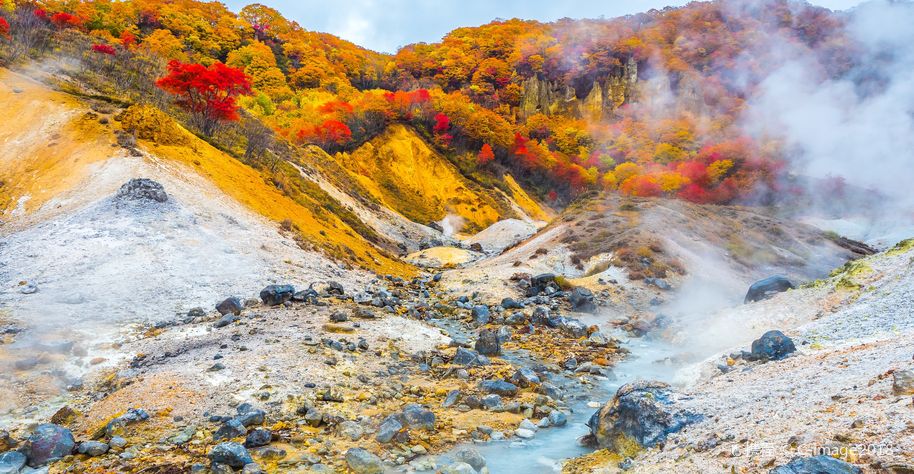
▲ Deep inside Jigokudani, plumes of white thermal steam rise continuously from rugged rock crevices into the sky. The stark, reddish-brown mountain faces combined with billowing steam highlight the area's active geothermal forces.
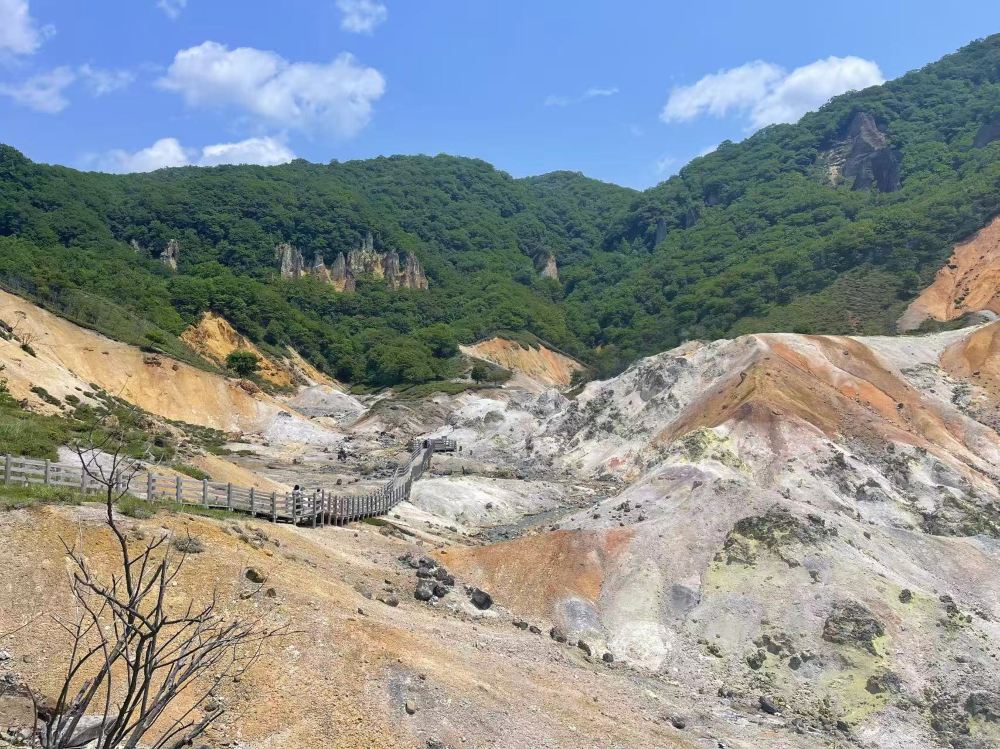
▲ Deep inside Jigokudani, plumes of white thermal steam rise continuously from rugged rock crevices into the sky. The stark, reddish-brown mountain faces combined with billowing steam highlight the area's active geothermal forces.