




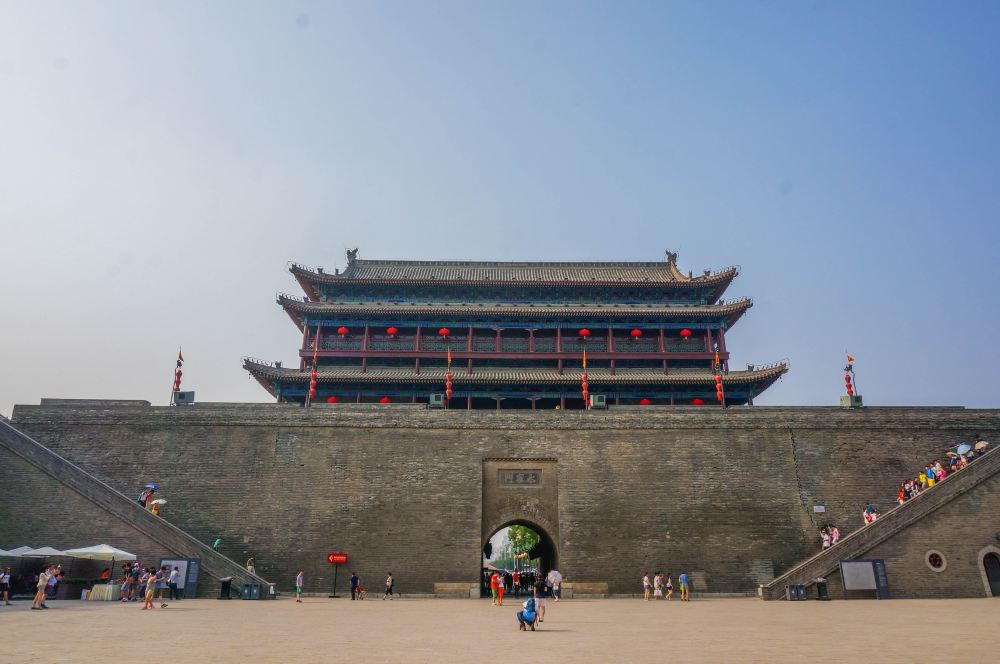
▲ The Xi'an Ancient City Wall is one of the best-preserved city walls in the world and a must-see landmark in Xi'an. Originally built during the Ming Dynasty (14th century), the wall once protected the ancient capital of China and now stands as a powerful symbol of the city's long and fascinating history.
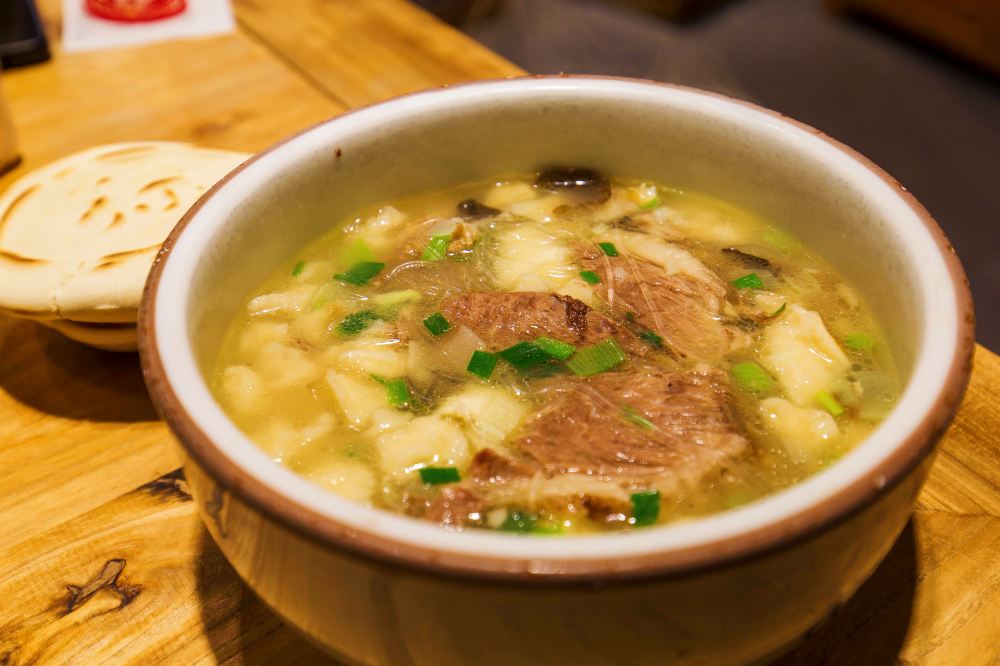
▲ Lamb Paomo (Yangrou Paomo) | Xi'an's Most Iconic Comfort Food Yangrou Paomo, often translated as Lamb Soup with Crumbled Flatbread, is one of Xi'an's most famous traditional dishes and a must-try experience for visitors exploring the city's local food culture. This hearty meal dates back over a thousand years and reflects Xi'an's role as a historic crossroads of the Silk Road. The dish consists of slow-cooked lamb broth, tender pieces of lamb, glass noodles, and a dense, unleavened flatbread. What makes it truly special is that diners traditionally break the bread into small pieces by hand before it is cooked in the soup—a ritual that connects you directly with local dining customs.
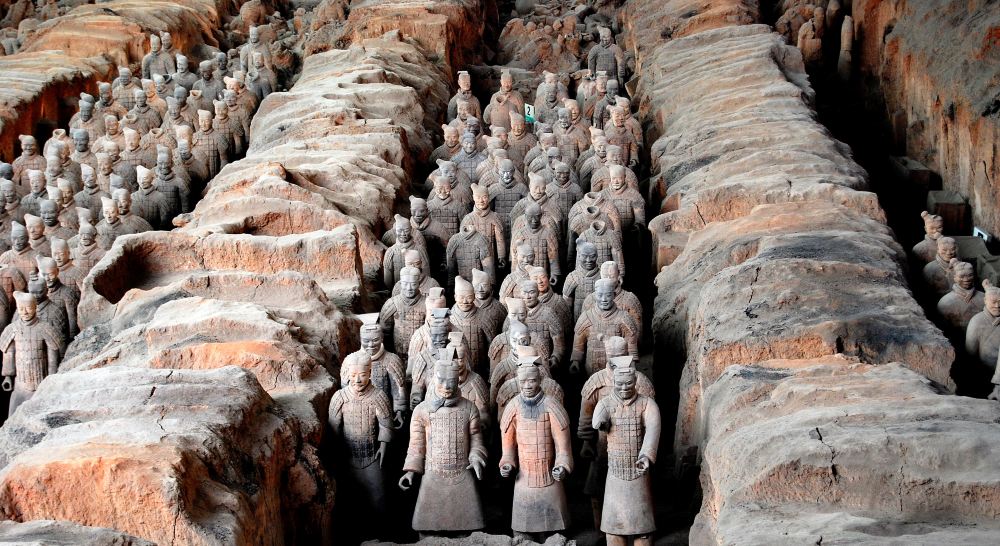
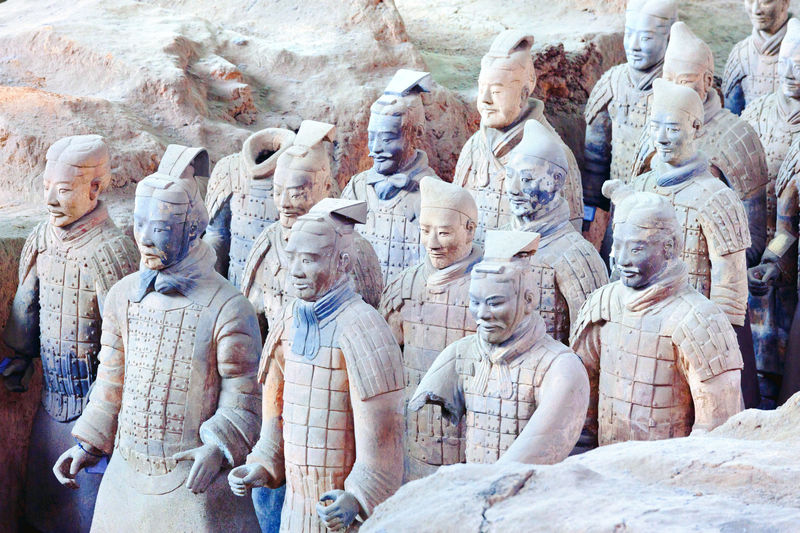
▲ Discovered in 1974, the site features thousands of life-sized clay soldiers, horses, and chariots, each with unique facial expressions and details. The army is arranged in battle formation across three main pits, offering an extraordinary glimpse into the military power and craftsmanship of ancient China.
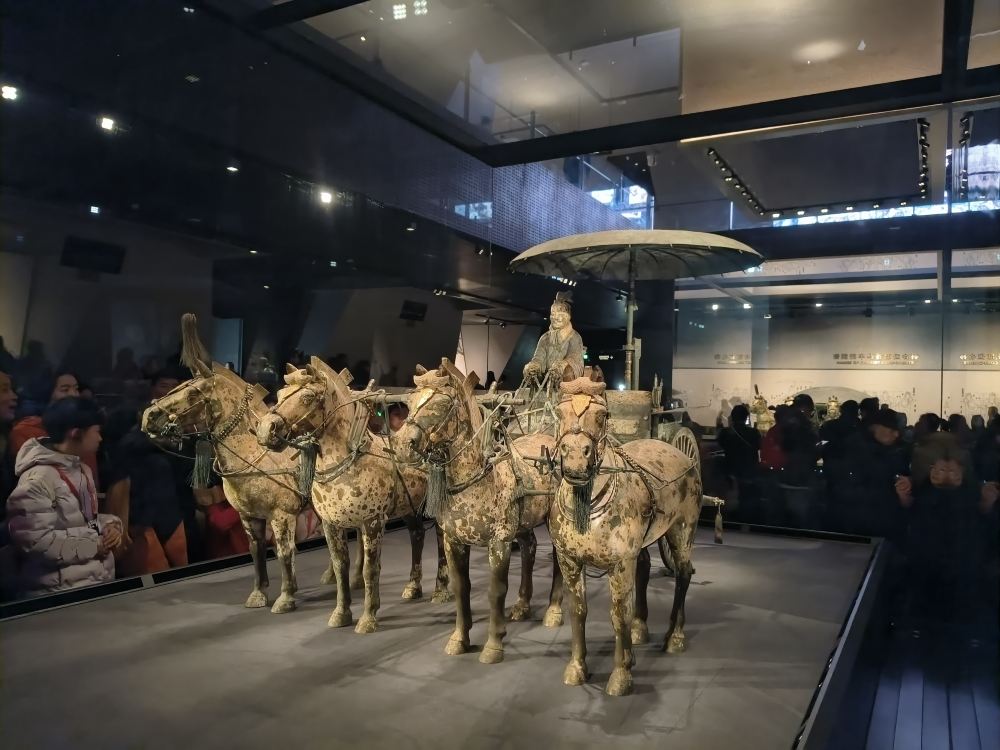
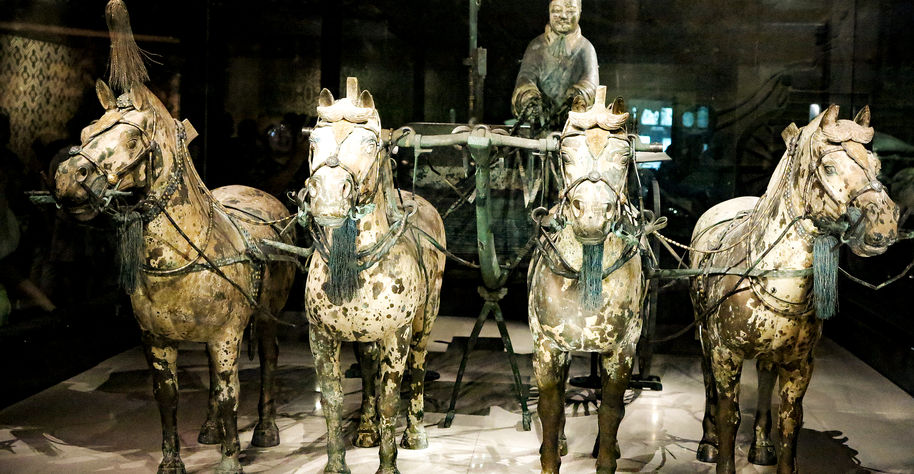
▲ The 'Bronze Chariot and Horses' are life-sized bronze sculptures from the Qin Dynasty, discovered in Xi'an. They showcase exquisite craftsmanship and were part of Emperor Qin Shi Huang's mausoleum, symbolizing his imperial power.