
Things to do in Abu Simbel
Explore top experiences
Top 10 attractions in Abu Simbel


Abu Simbel Temples
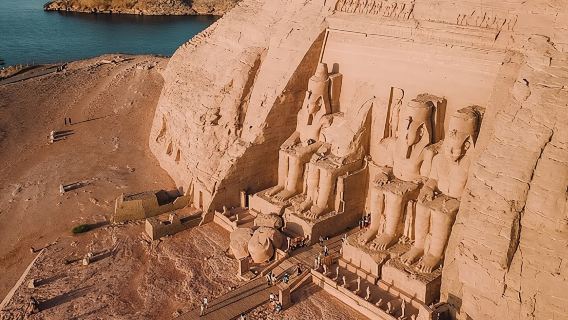
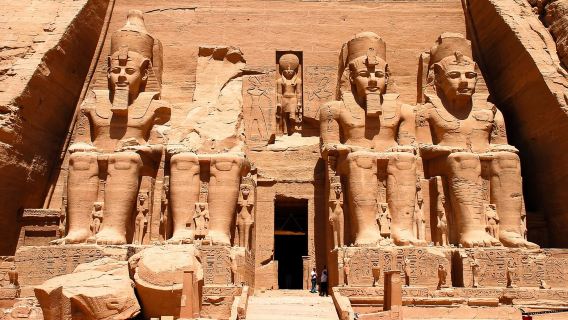
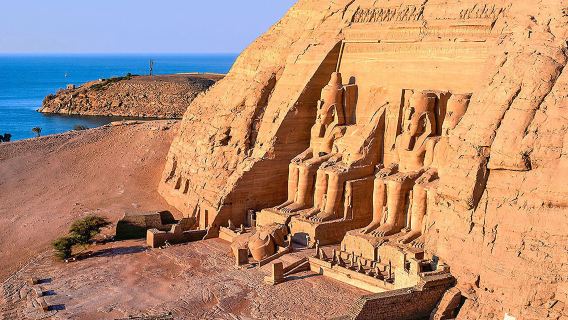
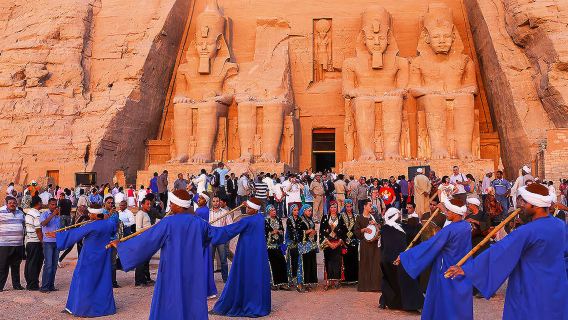
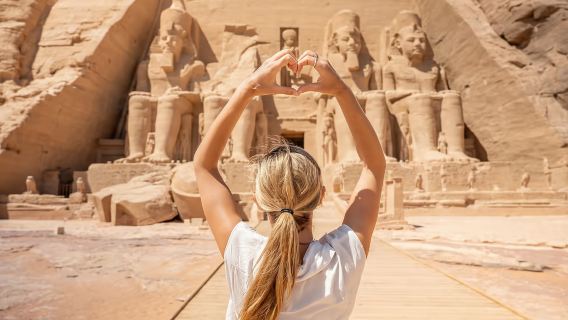
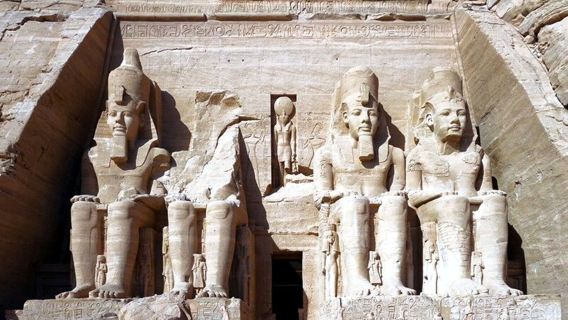
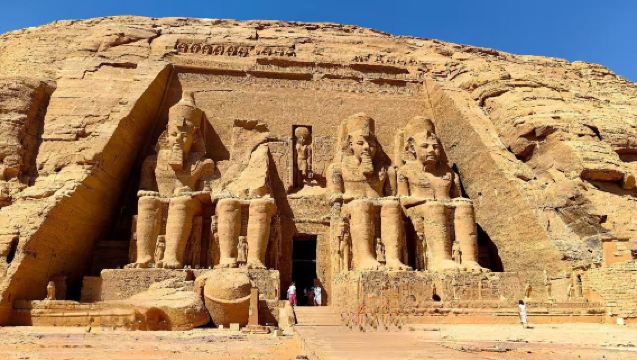
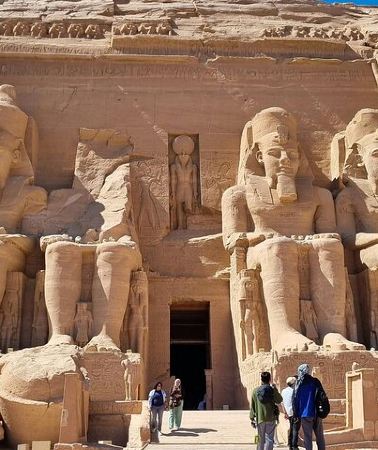
Abu Simbel Temples are located on the west bank of Lake Nasser in southern Egypt, consisting of two rock temples carved into the cliffside. They are a grand architectural complex commissioned by Pharaoh Ramesses II of the 19th Dynasty of ancient Egypt in the 13th century BC. The temple complex's pylon, colossal rock-cut statues, hypostyle halls, and inner sanctuary were all carved directly from the mountain rock, intended to demonstrate national power to the southern Nubian region. The Great Templefeatures four seated statues of Ramesses II, each approx. 20m high, standing at the front. Passing through the hypostyle hall into the inner sanctuary, you can see four seated stone statues of deities. Two mornings each year, sunlight penetrates the entire temple to shine directly into the depths of the sanctuary, illuminating three of the statues, while only the god of the underworld, Ptah, remains in the shadows. This ingenious astronomical design was largely preserved after the temple's relocation and is a unique highlight of Abu Simbel. Between 1964 and 1968, due to rising water levels in Lake Nasser caused by the construction of the Aswan High Dam, the temple complex was cut into blocks and relocated to a site approx. 60m higher than the original location. This rescue relocation is considered a classic project in the history of cultural heritage preservation.Abu Simbel · 0m from downtown

Temple of Nefertari
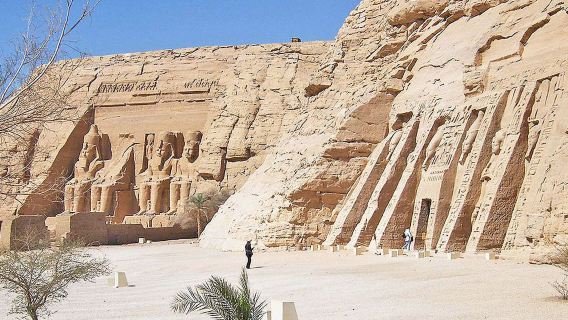
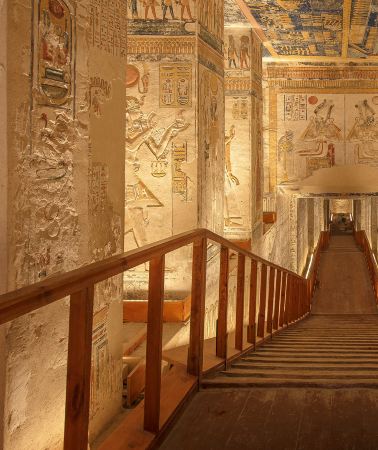
The Temple of Nefertari is one of the most iconic structures in ancient Egyptian history and is part of the Abu Simbel site. The facade of the temple is carved with six colossal statues, four of which are of Ramesses II, and the other two are of Nefertari. Notably, the statues of Nefertari are almost the same height as those of the pharaoh, which is extremely rare in ancient Egyptian art, reflecting the significant status Nefertari held in the heart of Ramesses II. The interior walls of the temple are decorated with exquisite reliefs and murals of high artistic value. Furthermore, the temple's construction techniques are a model of ancient Egyptian engineering. The temple's construction made full use of the local rock terrain, employing a rock-cut architectural style that allowed it to blend seamlessly with the surrounding natural environment. This design not only enhanced the stability of the temple but also allowed it to remain well-preserved after thousands of years of weathering and erosion.Abu Simbel · 103m from downtown

Philae Temple
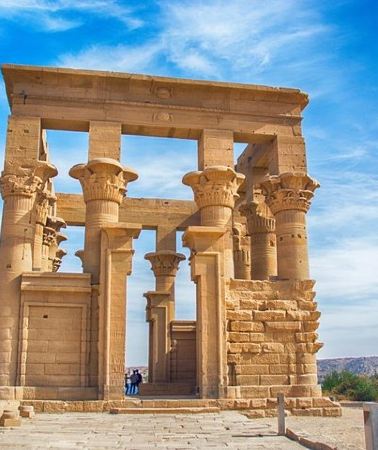
Philae Temple is dedicated to the goddess of love, Isis. Philae was originally a small island in the Nile River south of the Aswan Dam, where the temple was first built. After the completion of the Aswan Low Dam in 1902, Philae Island would be flooded during the flood season, and travelers arriving by boat could only see the temple gates and stone columns protruding above the water. The temple walls preserve numerous hieroglyphic inscriptions and vivid reliefs, primarily worshiping Isis, while deities like Hathor also received offerings here. Legend says Isis possessed ten thousand names; she governed fertility and was also the protector of the people, widely revered in ancient Egypt.Egypt · Aswan

Agilkia Island
Agilkia Island is an island in the Nile, located in Lake Nasser south of Aswan. The island is home to thePhilae Temple complex, which was relocated in its entirety from thePhilae Templesite. Between 1977 and 1980, the complex was dismantled stone by stone, numbered, and reconstructed here. To accommodate the temple, the island itself was leveled and reshaped to replicate the original terrain of thePhilae Templeas closely as possible. Visitors must take a boat from Aswan, and the short journey on the Nile is an experience in itself. The sound and light show held on the island in the evening uses lighting and narration to tell the myth of Isis and Osiris, and the silhouette of the temple against the night sky creates a unique atmosphere.Egypt · Aswan

Kom Ombo Temple
An hour's drive from Aswan takes you to the Temple of Kom Ombo, which means "Golden City" in ancient Egyptian. It is located on a small hill by the Nile and was built during the Ptolemaic dynasty. Like other temples, it also has tall stone pillars and temples that look desolate because of dilapidation, but what is different is that it has two gates. One gate is dedicated to the eagle god Horus (Haroeris) and the other is dedicated to the crocodile god (Sobek), so the temple of Kam Ombo is also known as the "double temple".Egypt · Nagoa Ash Shatb

Nubian Village Aswan
Nubian Village Aswan is located on the west bank of the Nile, across the river from downtown Aswan. Getting to the village is an experience in itself: take a small sailboat or motorboat from the riverside pier to cross the river, passing through the waterways around Elephantine Island—once the ancient boundary between Egypt and Nubia—with shoals, rapids, and date palm forests lining the banks along the way. This is a Nubian settlement; many families' ancestors relocated here due to the construction of the Aswan Dam. Today, the exterior walls of the houses are painted in bright blues, oranges, and yellows, with geometric patterns and murals depicting daily life extending from the walls to the doors and windows, making the entire village look like a vibrant spread of color. The village still preserves the Nubian language, song and dance, and hospitality traditions. Camels roam the dirt roads and are available for rides; some families keep crocodiles in their courtyards, continuing the local tradition of crocodile keeping, and if you are lucky, you can even see baby crocodiles up close; many families will invite guests into their homes, serve sweet and sour hibiscus tea, offer homemade Nubian food, and chat about their lives to the rhythm of drums and singing. The small market near the village entrance sells handmade beads, silver jewelry, scarves, and painted pottery, with patterns that carry a distinctive Nubian style. Compared to temples and tombs, this place presents a vivid, lively side of daily life in Egypt, and it is worth slowing down to explore at a leisurely pace.Egypt · Aswan

The High Dam
The Aswan Dam is located on the Nile River, 900 kilometers south of Cairo, Egypt. The arc-shaped arch bridge is 111 meters high. It is 40 meters wide at the 3830 meters long. When it was built, it formed Lake Nasser. Standing by the dam, overlooking the vast and misty Nasser Reservoir, the lakes and mountains, the egrets are flying in front of the Xisai Mountain, and the fishing boats are dotted and sparkling. In addition to the boundless water surface on both sides of the dam, there are many water conservancy facilities, such an industrialized scene is rare in Egypt. Walking slowly upstream from the main dam, you can see the emergency spillway on the right and the dam's grand power station on the left. The low-lying places are composed of low and high layers of cinnamon soil steps, piles of accumulated stones and piles of yellow sand on the shore, all of which have left the historical imprint of the construction of the project.Egypt · Aswan

Unfinished Obelisk
Aswan's unfinished obelisk, a huge pity for ancient Egyptian stonemasons, but an awe-inspiring sight for tourists, is Egypt's heavier monolithic stele . The obelisk is about 42 meters long and weighs about 1168 tons. If the inscription is completed, it will be the heavier monolithic stone building in Egypt. The obelisk was not completed, possibly because a crack appeared in the middle of the stone. The obelisk is still attached to the parent rock in the Northern Quarries, which the ancient Egyptians used to mine granite. This huge obelisk has some interesting nicks and pictograms of dolphins and various birds.Egypt · Aswan

Elephantine
Elephant Island is an island located in the Nile River. It is one of the very ancient areas in Egypt. There are also artifacts unearthed on the island that belong to prehistoric times. Located near a large waterfall on the Nile River, it is the border between Egypt and Sudan. It is called "elephant" for several reasons. One is that it was an important ivory trading area in the past. Sun Elephant.Egypt · Aswan

JJ Jamaica Felucca
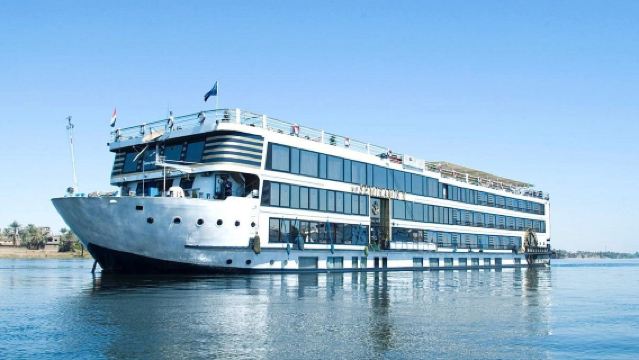
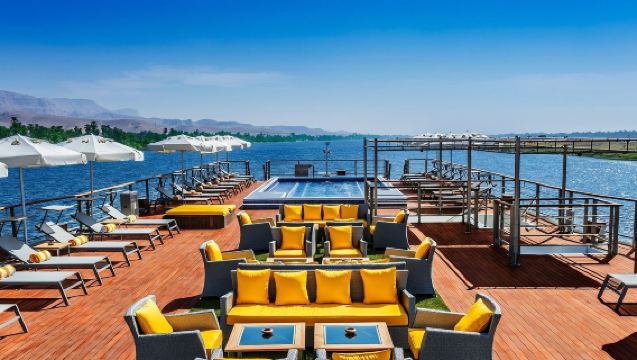
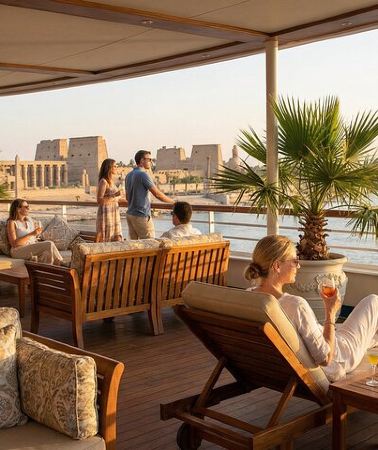
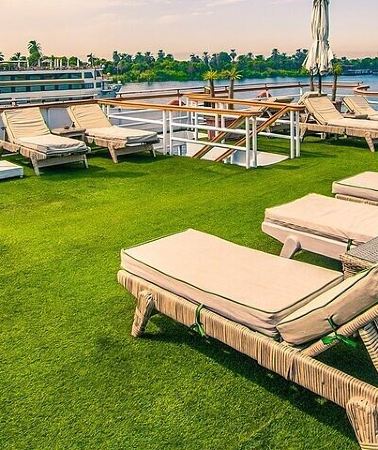
JJ Jamaica offers a variety of Nile sailing experiences, including traditional triangular sailboats (Felucca), retro Dahabyia sailboats and kayaking projects. Visitors can choose to roam on a Felucca light sailboat and watch egrets, herons and other wetland ecosystems in the gentle river section; or take a Dahabyia sailboat to experience the atmosphere of a 19th-century aristocratic cruise ship. The cabin is equipped with a wooden deck and viewing lounge chairs, which is suitable for sunset cruises. The kayaking project provides a short adventure and a close visit to the Nubian villages in the Aswan Islands. Itinerary highlights include: kayaking to explore the ruins of ancient quarries, tasting Nubian special stews and date desserts on the sailboat, and exploring the historical temples along the Nile. The cruise project combines tradition and adventure, establishes a deep connection with the traditional Egyptian culture, and is full of authentic charm. It is recommended to travel in the cool season from November to March, and sail in the early morning or evening to avoid strong sunlight.Egypt · Aswan
Experiences you can't miss in Abu Simbel
Featured Cultural experiences in Abu Simbel
View all Cultural experiences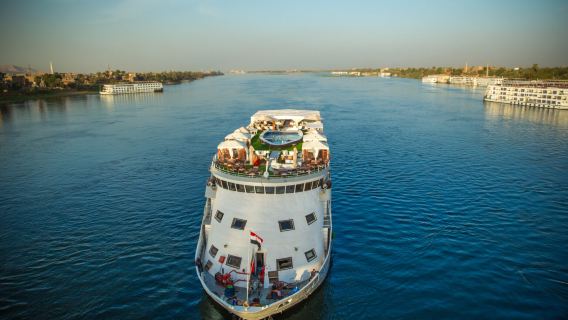
3.7/5
· 3 reviews· 28 bookedFree cancellation
Book now for tomorrow
FromBRL 3,546.45
FromBRL 3,690.53
Instant confirmation
Book now for today
FromBRL 2,163.67

Featured Day tours in Abu Simbel
View all Day tours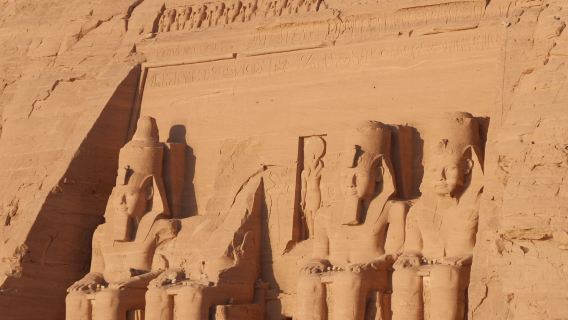
3.5/5
· 2 reviewsInstant confirmation
Book now for tomorrow
FromBRL 387.90
4.0/5
· 3 reviews92 travelers saved
FromBRL 546.17
FromBRL 564.54
Featured SIM card in Abu Simbel
View all SIM card
4.4/5
· 1.1k reviews· 57.5k bookedFree cancellation
Book now for today
Selling fast
50% off
Limited-time sale
FromBRL 0.41BRL 0.82

4.5/5
· 401 reviews· 14.3k bookedFree cancellation
Book now for today
1.115k bookings in 7 days
50% off
Limited-time sale
FromBRL 0.40BRL 0.81

4.2/5
· 333 reviews· 10.4k bookedFree cancellation
Book now for today
261 bookings in 7 days
5% off
Limited-time sale
FromBRL 8.35BRL 8.79
4.4/5
· 239 reviews· 7.7k bookedFree cancellation
Book now for today
571 bookings in 7 days
50% off
Limited-time sale
FromBRL 0.41BRL 0.82

4.4/5
· 714 reviews· 19.9k bookedFree cancellation
Book now for today
403 bookings in 7 days
50% off
Limited-time sale
FromBRL 0.41BRL 0.82

4.6/5
· 736 reviews· 23.3k bookedBook now for today
Fast-selling Wi-Fi & SIM cards
5% off
Limited-time sale
FromBRL 78.28BRL 82.4

4.3/5
· 16 reviews· 452 bookedFree cancellation
Book now for today
46 bookings in 7 days
15% off
Limited-time sale
FromBRL 8.53BRL 10.04

4.4/5
· 135 reviews· 3.4k bookedFree cancellation
Book now for today
129 bookings in 7 days
5% off
Limited-time sale
FromBRL 8.40BRL 8.85
Free things to do in Abu Simbel


More ways to travel from Abu Simbel
Private Tours in Abu Simbel
View More Private Tours in Abu Simbel




Group Tours in Abu Simbel
View More Group Tours in Abu Simbel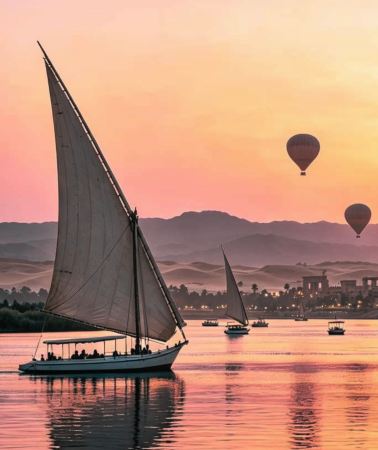
What travelers say about Abu Simbel

水漫三楼February 20, 2026
5.0
The Abu Simbel temples, part of the Nubian archaeological site stretching from Abu Simbel to Philae, are located in Nubia, the southernmost region of Egypt, 280 kilometers north of Aswan, a major tourist destination. Construction began during the reign of Ramses II and was completed around 1233 BC. In 1960, the Egyptian government decided to build a dam in the Aswan area. To protect the Abu Simbel temples and other ancient sites before rising water levels, an international construction team comprised of Egyptians, Germans, French, Italians, and Swedish experts officially began work in 1963. The project was completed in September 1968 at a cost of US$36 million.
The Abu Simbel temples are cave temples carved from sandstone mountains, consisting of a main temple and smaller temples. The main temple contains four statues of Pharaoh Ramses II from the New Kingdom period. The smaller temple is dedicated to the goddess Hathor and Queen Nefertari. Of the six statues, four depict Ramses II and two of Nefertari are arranged alternately. The Abu Simbel temples are entirely carved into the cliff face on the west bank of the Nile, approximately 33 meters high, 38 meters wide, and 65 meters deep. Originally intended to honor the three main gods Amun, Ra, and Ptah, the Abu Simbel temples actually served only one true god—Ramses himself. The numerous sculptural scenes within the Abu Simbel temples provide later generations with rich depictions of ancient production and daily life, which are of great value for understanding the history, society, and culture of ancient Egypt.
Abu Simbel Temples

YoYo_0T9A3B0LJune 16, 2025
5.0
菲莱神庙,坐落在宁静的尼罗河岸,这座古希腊罗马时期的神庙,以其精湛的建筑艺术和丰富的历史故事,吸引着世界各地的游客。夕阳下,神庙的石柱和壁画更显神秘和庄重,让人仿佛穿越到了古埃及的辉煌时代。【景色】相对金字塔稍逊,不过整体不错【趣味】趣味一般【性价比】性价比极高
Philae Temple

误虚醉October 9, 2023
5.0
The Philae Temple on Agilkia Island was originally located on Philae Island, a small island in the shallows of the Nile River. After the British built the Nile Low Dam in 1902, the Philae Temple was submerged for several months every year. With the construction of the Aswan High Dam, the Philae Temple would be forever submerged. For this reason, the temple was moved as a whole to the nearby Akilkiia Island. Akilkia Island was not big enough, so it was deliberately expanded a little so that the temple could be rebuilt in its original form.
Agilkia Island

GullySeptember 2, 2023
5.0
Almost certainly one of of the temples you will stop at if you take a guide along the Nile River. This temple is massive, and a lot of the hieroglyphics still are very easy to see. Definitely make sure to have some time when seeing it. Just like every other tourist attraction in Egypt, be sure to show your student ID for half price entrance if you are a student.
Kom Ombo Temple

NicoleenAugust 2, 2023
5.0
I love this colorful village and it's friendly people. Take a boat ride on the Nile to go explore this beautiful village. Try their cuisine at one of their restaurants and take beautiful pictures of the colorful houses.
Nubian Village Aswan

Lavender and SunSeptember 6, 2022
5.0
The dam is a clay core rockfill dam with a maximum dam height of 111m. When the maximum water level is 183m, the total reservoir capacity is 168.9 billion m3, the total installed capacity of the power station is 2.1 million kW, and the designed annual power generation is 10 billion kW·h. The project started on January 9, 1960, the first unit was put into operation on October 15, 1967, and all units were installed and put into operation on July 15, 1970. The project was completed in the same year.
The High Dam

帆看世界ivanstrips (YouTube)January 2, 2025
4.0
This attraction is not large and 30 minutes is enough to visit it. The biggest attractions are the 4,000-year-old quarry and the world's largest obelisk from 3,500 years ago. Walk from the Nile River to the unfinished obelisk less than 20 minutes, but the Google navigation route is wrong ❌. The place you finally walked to is a residential area. The ticket office is on the main road near the museum. You can refer to my markings on the Google map, or you can use Google Map to search the location coordinates 📍24°04’38.8”N 32°53‘39.7“E📍 This is the specific location of the ticket office. I hope it helps you. More travel information, please check my YouTube channel @ivanstrips
Unfinished Obelisk

AricFongFebruary 16, 2020
5.0
There are two small piers to go to Koh Chang, one of which is at the entrance "next to" KFC. The 5 pounds you pay is already the round trip fare, so you don't need to pay when you return to the other side [Proud] This is a small island Nubi Where Nubia lives, there are B&Bs, high-end hotels, coffee shops and attractions on the island, which can be visited in half a day. We walked around for about half a day, but we couldn't find the way to the Movenpick Hotel [sad] But it's okay anyway, come to Koh Chang when you come to Aswan and visit Koh Chang.
Travel Wedding Day 182, Country 11, Aswan, Egypt
Elephantine


