https://ph.trip.com/moments/destination-deyang-462/
2026 Deyang Travel Guide: must-see attractions, popular food, hotels, transport & travel experiences (updated in January)
Essential Travel Information for Deyang
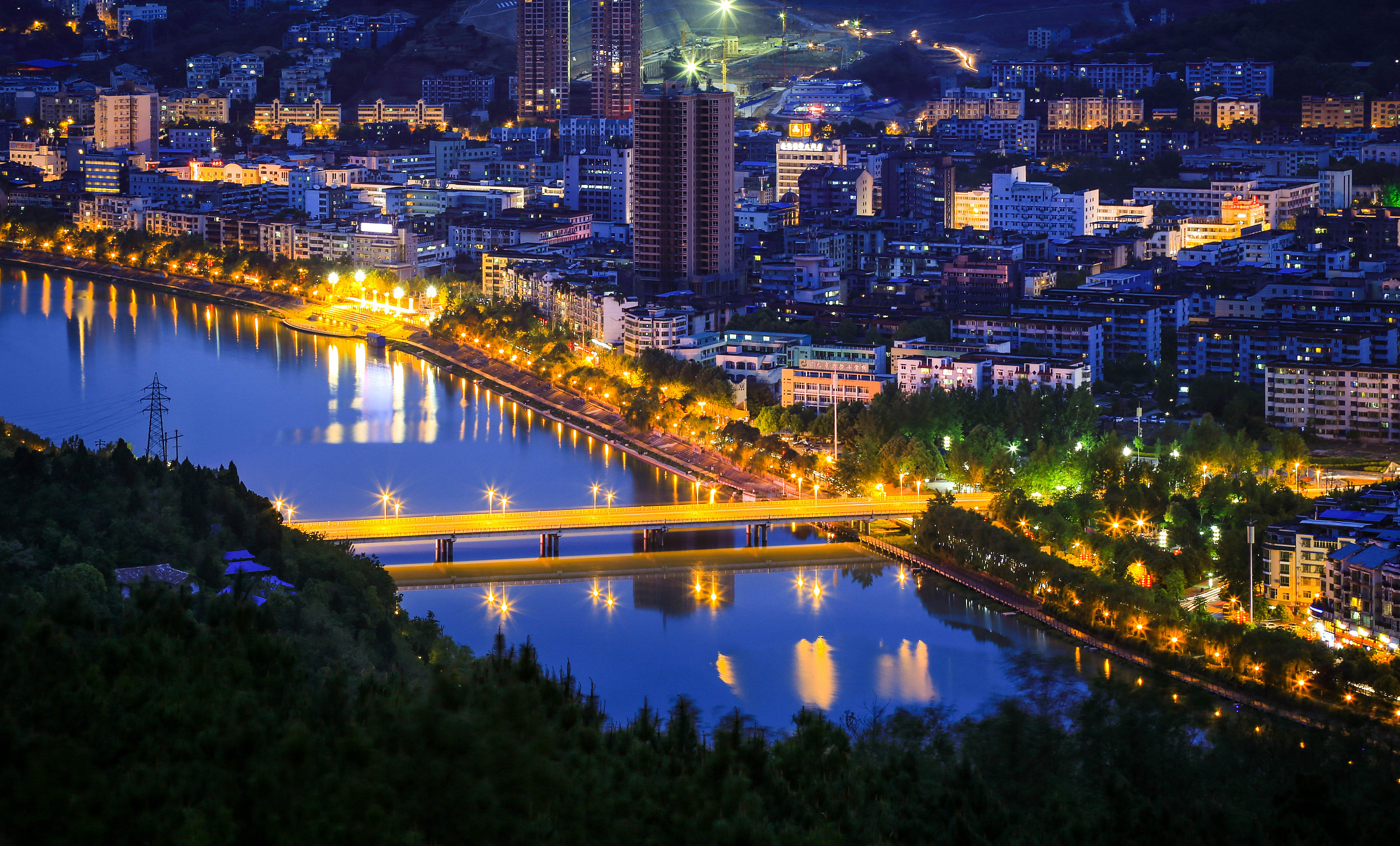
Deyang is located in the central part of Sichuan Province. It has a long history and is one of the birthplaces of Bayu Culture. Deyang has unique tourism resources and high-quality cultural landscapes. Some of the many scenic spots include the famous Sanxingdui Ruins of the ancient Shu State, the exquisite architecture of the Deyang Confucius Temple and the majestic Tomb of Li Bing. Deyang is also the area from which the famous Chinese alcohol Jiannanchun originates.
Deyang Today's weather
Overcast 2-7℃

Latest Travel Trends in Deyang
Popular Attraction in Deyang
Sanxingdui Museum
(370)All Trip Moments about Deyang | Travel Experiences
I struck gold in Deyang! A stunning homestay hidden in Hongfu Village, Xiaogan
OMG, guys! Found this absolutely amazing homestay in Deyang🏡 Totally blown away! Every ground-floor room here comes with its own little courtyard🌼 Step outside your door into a private paradise, embracing nature. Wake up to birdsong at dawn, watch the sunset glow in the evening—pure bliss🥰 The second floor features duplex family suites with ingenious space design—super cozy for families, with premium quality and design💯 Perfect for family trips or friend gatherings! The interior features warm, healing wood-style decor🪵 Large windows frame the greenery perfectly. Sit by the window sipping tea🍵 or daydreaming as life slows down. The little pumpkins🎃 and potted plants🪴 on the table create the perfect vibe! Here, you get both rural tranquility and comfortable lodging—the ultimate escape from city noise. Whether you want to unwind or share quality time with family and friends, this is the spot✅ Bookmark this! For your next getaway, come here and tune life to your favorite channel🌿Foster_~Oliver3I'm shocked!! The first large immersive performance in the southwest
- No need to go to Xi'an No need to go to Guanghan You can switch freely here Not only can you witness the prosperity of ancient times But also see the magical Sanxingdui culture Dream back to 1958 to feel the fireworks The Deyang Huayi Brothers Star Theater, which covers an area of 71 acres Finally, I've been waiting for it‼️ A magical journey has begun Tour tips are as follows⬇️ Three major performances in nine parks⛲️ - Three performances 1⃣️ 'Reunion Sanxingdui' Ancient and mysterious Created the precedent of China's metaverse theater With a history of 3000 years It consists of 18 types of performances such as drama, martial arts, Weiya, and intangible cultural heritage 2⃣️ 'Reunion Shangyuan Fantasy Night' Immersive historical song and dance performance Introducing the eye-catching Bashu fun city It's very lively All are real people performing Bashu land myth characters, historical stories, and human fireworks It's like being in a fantasy world 3⃣ 'Reunion Street 1958' Travel from 2023 to 1988 It tells the story of the eve of the relocation of Reunion Street in the family courtyard of Dongfanghong Factory No. 3 in 1988, where 46 protagonists have their joys and sorrows The vivid performance is touching the audience's emotions every moment - Each park has different theme cultures and scenes (fun to visit and fun😄 It's also very suitable for family outings And the photos are also very good📸️ Every scene design is very meaningful👍DAKOTA GLOVER33The heavenly and earthly realm of the treasure town Deyang
I accidentally got to know this treasure town - 📍Deyang, which is an hour away from Chengdu. 📌Deyang Stone Carving Park Deyang Stone Carving Park is located in the city of Deyang, named for the stone carving art wall in the park. The art wall is 1080 meters long and 7 meters high, composed of large-scale relief group images, arches, stone pillars, etc., said to be the largest modern art stone carving sculpture group in our country. A city park that looks ordinary without any highlights, but walking into it really shocks the artist's imagination and superb skills. Large continuous ancient Roman-style stone pillars and Baroque-style buildings, carved with countless well-known ancient Chinese mythological stories and stories of national unity, as if you have come to a mythological world that combines Chinese and Western cultures. Choose to arrive in the evening, without the internet celebrities who come to check in, only some local residents strolling after dinner and some martial arts school students practicing. 📌Confucius Temple Square I have been to the Confucius Temple in many cities, and the overall architectural style is not much different. The Confucius Temple Square during the day does not seem to have any special attraction. However, after nightfall, the Confucius Temple Square seems to have a different vitality, and it has become the most joyful nightlife square in the entire city. Small vendors selling all kinds of cheap small commodities, parents catching fish in front of the pond with their children, a food stall where you can eat all kinds of authentic local food, and even groups of square dance aunts are a beautiful landscape. Perhaps this is the magic of travel. Seeing familiar things in unfamiliar places can also arouse your deep curiosity.DOMINIC NUNEZ2468The Inner Beauty Of Deyang City!
#mytripvlog Address - Deyang city, Sichuan Province Ambiance/Facilities - Excellent Highlights - The street food Avg. Price per Person - 50 Yuan Rating - 10/10 #foodie #tripblazers #campingglamping #sichuanTravelsphere4Picnic 🍩🍓🍓
#bucketlistreboot Getting There - It's 30 minutes drive from Deyang railway station. The Didi fee is around 50 yuan. Attractions - The beach, the swings, bungee jumping, horse riding, the glass bridge, and others. Hotels - There are hotels at the beach. Food & Restaurants - There are many restaurants at the beach. Shopping - There are no nearby shopping malls.#bucketlistreboot #urbanexplorer #passionpassport #mytripvlog #tripblazers #bucketlistreboot #beachlife #campingglamping #foodie #本地遊 #staycation #summervacation #cafe #awesomepic #nationalpark #themepark #wintergetawayTravelsphere19The Best Of Day!
#bucketlistreboot Address - Deyang city, Sichuan province. Ambiance/Facilities - It's very lovely Highlights - The flower garden Avg. Price per Person - 100yuan Rating - 10/10 #passipassport #urbanexplorer #urbanexplorer #mytripvlog #tripblazers #tripblazers #bucketlistreboot #bucketlistreboot #beachlife #beachlife #beachlife #campingglamping #foodie #staycation #本地遊 #staycation #cafe #本地遊 #staycation #summer vacation #cafe #nationalpark #themepark #summervacation #givethanks#sichuanprovince #sichuanhotpot #sichuan Food I highly recommend this place for outdoor activities.Travelsphere18Day Well Spent!
#bucketlistreboot Address - Deyang Maldives, Sichuan Province. Ambiance/Facilities - Excellent and peaceful Highlights - The beach, bungee jumping Avg. Price per Person - 100yuan Rating - 10/10 #passionpassport #urbanexplorer #mytripvlog #tripblazers #tripblazers #bucketlistreboot #beachlife #campingglamping #foodie #本地遊 #staycation #summervacation #cafe #awesomepic #awesomepic #themepark #wintergetaway #givethanks The environment is serene, and everything is top-notch. The entrance tickets are 65 yuan and 99yuan for all the rides, and bungee jumping is 150yuan.Travelsphere7Deyang Bird Hill Restaurant and Pool!
Address - Deyang City, Sichuan Province Ambiance/Facilities - Execellent Highlights - The western restaurant, swimming pool, and the bbq restaurant. Avg. Price per Person - 100yuan Rating - 10/10#bucketlistreboot #mytripvlog #foodie #tripblazers #beachlife #tripblazers #campingglamping #staycation #summervacation #urbanexplorer #cafe #awesomepic #passionpassport #nationalpark #themepark #wintergetaway #awesomepic Deyang Bird Hill is 30 minutes drive from Deyang east railway station. The didi fee is around 30 yuan, some buses can take you there. I highly recommend this place.Travelsphere8Best of 2020!
#mytripvlog Address - Deyang Sichuan province Ambiance/Facilities - Very good Highlights - The tie and dye shop, the restaurant and book library Avg. Price per Person - 50yuan Rating - 10/10#passionpassport #gooutside #urbanexplorer #foodie #summervacation #awesomepic #nationalpark #beachesTravelsphere5Deyang Bird Hill!
#mytripvlog #passionpassport #gooutside #urbanexplorer #beachlife #summervacation Address - Deyang city, Sichuan Province. Ambiance/Facilities - Very good Highlights - The garden and the swimming pool. Avg. Price per Person - 50 yuan Rating - 10/10Travelsphere5Staycations Are Therapeutical
#staycation Once in a while take some time off your busy work schedule and have a staycation in a beautiful place, believe me, it's therapeutic. I recommend Deyang Hehai Tian for a peaceful staycation, the hygiene is top-notch, the staff is friendly, the beach is clean, and the air is fresh. They’ve got lots of activities one can participate in: bungee jumping, glass bridge, horse riding, and themed rides. Deyang Hehai Tian is the best🏖️ Getting There - Bus/Didi/Taxi/Car Attractions - The beach, glass bridge, bungee jumping, and others Hotels - Deyang Hehai Food & Restaurants - Lots of Chinese Restaurantss Shopping - Wanda PlazaTravelsphere6#awesomepi
#awesomepicArao7Its color is soothing, and its taste is wonderful!
Deyang, Sichuan, is truly worth a visit!! I was absolutely blown away by Deyang this time! 💥 I never imagined this unassuming little city would hide so many hidden gems! 🎉 Food, scenery, culture…it has it all! 🍲 You won't want to leave once you're here! 👀 As a foodie, I absolutely loved the food here! 😋 Not only was it delicious, but it was also incredibly cheap! 💰 The buffet restaurant I went to was a foodie's paradise! 👌 They had all sorts of Chinese snacks and dishes; I ate until I was stuffed! 🤤 And the prices were super affordable! 💰 I absolutely loved it! 😍 Besides that, Deyang has many other scenic spots worth checking out! 🏞️ For example, the South Park Mall Plaza, which not only boasts beautiful park scenery but also a variety of delicious snacks! ✨ And it's super convenient to get to, with direct buses! 🚌 This is an absolute must-see attraction! 👌 In short, Deyang is truly a small city well worth visiting! 💯 Whether it's delicious food, beautiful scenery, or rich culture, it has everything you could want! 🎉 If you haven't been yet, you're really missing out! Come check it out! 📸JE. Ron 21Urban travelers' new favorite hotel
This hotel in Deyang features a modern minimalist style, very clean and comfortable, with great value for money! The breakfast is so abundant that you don't need to go out to find food. It combines Chinese and Western styles, nutritious and delicious. The variety is so extensive it will leave you spoiled for choice!! Afternoon tea and goodnight milk are highlights; the handmade tea rolls have an amazing texture and taste, becoming a highlight of the journey. Nearby, there is a food city, Wenmiao Temple, Stone Carving Park, and strolling by the Pearl River Bridge is very relaxing. The price is also very reasonable, definitely worth experiencing!Adams Jacqueline JacqDeyang Shike Park, located in Jingyang District of Deyang City, is one of the city's famous historical and cultural attractions. One of its main highlights is the Sanxingdui Culture Exhibition.
Deyang Shike Park, situated in Jingyang District of Deyang City, is a well-known scenic spot in the city, with the Sanxingdui Culture Exhibition as one of its key attractions. Its stone carving exhibitions are also very famous. This park is actually a mountain and is home to the Jingyang District Stone Carving Museum and Stone Carving Park, as well as being a protected cultural relic site in Sichuan Province. The park contains many ancient buildings, historical sites, and ruins, preserving a large number of stone carving artifacts and artworks. These stone carvings and artworks come from various historical periods, including the Tang, Song, Yuan, Ming, and Qing dynasties. These relics are extremely precious and are nationally protected key cultural relics. In addition to the stone carving artifacts and artworks, there are many other cultural attractions here, such as the Cultural Square and the Cultural and Art Center. These cultural sites are very distinctive and valuable. Overall, Deyang Shike Park is a park of great historical and cultural significance, with its stone carving artifacts and artworks being very precious and worth visiting.AndrewTurnerA delightful surprise was discovered in Xiaoquan Old Street, Deyang! I absolutely love this coffee shop!
Push open Anzhi's wooden door 🚪 The aroma of coffee mingled with the lively atmosphere of the old street ☕️ Sitting on a weathered wooden chair by the window, watching the gray tiles of half the street covered with a thin layer of frost, holding a hot latte in hand, the most pleasant winter afternoon ✨ 🌟Environment: 🎻Decor: Retro wooden style, perfect for Instagram photos! Every shot is a masterpiece 📸 🪴Seating: Both indoor and outdoor seating, full but not crowded, super comfortable for chatting! 🚭No Smoking: No smoking indoors, and you can even sunbathe outdoors~ Let's be a delicate 🐷 fairy together~ 🌈Special Recommendations: 👉High-Quality Coffee: The signature latte is simply amazing! ☕️ 🍰Dessert Surprise: The tiramisu here will make you fall in love instantly~ 🌿Surrounded by Greenery: Small green plants everywhere bring the whole space to life! Bring your best friend/boyfriend to enjoy a coffee break in the old street! 💕 Every snapshot looks like something out of a K-drama heroine!madelinezx1fn0qPoetic Deyang, China: Deyang Travel Guide
【Deyang|2 Days 1 Night Exploring the Ancient Shu Mysteries! Sanxingdui + New Year Painting Village + Stone Carving Park, Off the Beaten Path and Picture-Perfect✨】 Who says the only spots around Chengdu are Qingcheng Mountain and Dujiangyan? Deyang, this low-key and often overlooked treasure city in western Sichuan, hides 3,000 years of ancient Shu civilization, a free art gallery, a fairy-tale forest, and even ancient Three Kingdoms battlefields! Few people, beautiful scenery, slow pace—two days and one night on the weekend is just right~ No rushing, no check-ins, just an immersive experience of the gentle mystery of the “Source of Ancient Shu”🌿 Day 1: Journey Through Ancient Shu × Urban Art 🏯 Morning|Sanxingdui Museum (New Hall Now Open!) Recommended to enter before 9 AM to avoid crowds! Bronze Divine Tree, Golden Masks, the big-eyed standing figures… each piece feels like it’s from another universe. The new hall uses AR + light and shadow technology to bring the artifacts to life, and there’s a mysterious light show at night (weekends only), creating an amazing atmosphere🌌 ✅ Tip: Rent AR guide glasses for double the immersion! 🎨 Afternoon|Deyang Confucian Temple + Stone Carving Park Just a 5-minute walk! Deyang Confucian Temple: the largest Confucius temple in Southwest China, with red walls, yellow tiles, and golden ginkgo trees (stunning in autumn and winter). Every weekend there are classic recitation events where you can participate and experience Confucian culture. Stone Carving Park: a free art space transformed from an abandoned factory! The 1080-meter stone carving corridor tells the epic story of human civilization, blending reliefs, round sculptures, and architecture. A secret spot for locals to stroll with kids, take photos, or daydream—every snap is an artistic masterpiece📸 🍢 Evening|Food Hunt in Confucian Temple Alley Home to countless old shops! Recommended: Xiao Ji Rice Noodles: sweet potato noodles as thin as cicada wings, sour and spicy and refreshing Beikeji Fried Chicken: spicy, crispy, the local “happy water” pairing for Deyang people Deyang Ice Jelly: made with white fungus, thick and smooth, a perfect remedy for spiciness! Day 2: Intangible Cultural Heritage New Year Paintings × Three Kingdoms Stronghold 🖌️ Morning|Mianzhu New Year Painting Village One of China’s four major New Year painting origins! White walls and black tiles adorned with painted door gods, lucky dolls, and opera characters. ✅ You can personally try woodblock printing and take home your exclusive “lucky symbol.” ✅ Lanterns light up at night for a dreamy scene, but daytime lighting is better for photos! On the way, try a bite of Songhua century egg and Jiannan Chun liquor-filled candy for a festive taste~ ⚔️ Afternoon|Baima Pass Scenic Area The last pass for Qin to enter Shu, where Pang Tong was shot and died on “Falling Phoenix Slope.” Climb Baima Pass to overlook the ancient battlefield, still full of grandeur. Visit Daowan Ancient Town: a maze of Hui-style courtyards, a filming location for the drama "The Wind Rises in Longxi." Pay respects at Pang Tong’s shrine: incense always burning, history palpable. ✅ Wear Hanfu! Ancient roads + blue bricks + battle flags create an epic atmosphere! 🌅 Before Departure|Donghu Mountain Park or Jinghu Lakeside Walk Watch the sunset dye Jinghu Lake red, see locals flying kites, walking dogs, and dancing in the square, gently tucking away these two days of slow time in your heart. 🌟 Hidden Activities · If You Have More Time! Yinghua Mountain: climb for sea of clouds/snow views (winter), delicious cured meat hotpot in the mountains Golden Qingping: fairy-tale mini train + deer park interaction, perfect for family trips Jiannan Old Street (Mianzhu): millennium-old winery ruins, enjoy a drink and Sichuan opera face-changing at night 💡 Travel Tips Sanxingdui is closed on Mondays! Don’t go in vain~ New Year Painting Village and Baima Pass are great for Hanfu or plain long dress photos. Deyang’s attractions are spread out; self-driving or chartering a car is more flexible. Confucian Temple, Stone Carving Park, and Donghu Mountain Park are all free to enter! Deyang is a city you need to slow down to truly understand. It doesn’t rely on filters or hype, just a bronze divine tree, a hand-painted New Year painting, and a stone carving corridor, quietly telling you: Chinese civilization is so romantic and profound. This weekend, why not escape the noise, come to Deyang— daydream in the mysteries of ancient Shu, wake up in the fireworks of western Sichuan.ElizabethHolmes35Deyang's hotel scene is legendary! The lobby of Ji Hotel totally gets the grand Oriental vibe
Visiting the Confucian Temple and Sanxingdui in Deyang? Choosing the right hotel instantly boosts your travel happiness! The lobby of Ji Hotel Wenmiao Square is so stunning it left me speechless—definitely not your average chain hotel’s half-hearted effort. The moment you step inside, you feel the spaciousness! The high vaulted ceiling makes the space incredibly airy, with natural wood textures paired with warm, soft lighting. There’s no excessive decoration, just minimalist beauty and plenty of negative space, perfectly embodying the “Ji Hotel style” vibe 🌿. Bamboo and pine plants add a touch of green, while the hidden Zen-inspired bookshelves and sculptures strangely echo the red walls and black tiles of the nearby Confucian Temple, filling the space with rich cultural atmosphere. My favorite spot is the tea break corner, where the faint scent of Zen tea lingers. Whether you’re resting before check-in or unwinding after exploring the Confucian Temple night market, it’s super cozy. The space is so large it never feels crowded, and it’s perfect for photos—every snap captures a simple yet sophisticated Oriental aesthetic. Sharing it on social media got me bombarded with questions about the location! The location is absolutely perfect, within walking distance to Wenmiao Square and the snack street. It’s super convenient to enjoy Deyang rice noodles, Xiaoji rice slices, and Heartbreaking Spring Rolls, and you can quickly grab a taxi to Sanxingdui. Having stayed at many Ji Hotels, this one’s lobby feels grand yet warm. When in Deyang, you can book this place with your eyes closed~ Need me to help you with real photos and descriptions of the hotel rooms, or organize a one-day tour route for Deyang’s Confucian Temple + Sanxingdui?全季德阳文庙广场酒店Deyang Must-Visit Stone Carving Park
Visiting Deyang for the first time, Stone Carving Park is a must-check-in spot! Starting from downtown, it’s less than a 10-minute drive to experience the elegant charm of Western Sichuan gardens. Known as "The Best Stone Carvings in Shu," Deyang’s stone carvings have a long history and rich content, making it a treasure trove of Western Sichuan stone carving art. Inside Stone Carving Park, you can find the largest existing Han Dynasty pictorial stone coffin in the country, stone steles with Three Kingdoms culture carvings, and representative wood and stone carvings from the Ming and Qing dynasties in Western Sichuan, all of which hold great historical, artistic, and scientific value. 🌟🌟🌟 Highlights you must see: 🦁🦁🦁 The "Lion Culture" stands out the most! The stone lions are the park’s "treasures," each with a unique and lifelike design. Among them, Lion No. 9 is known as the "World’s Number One Lion," about 2.7 meters tall and weighing around 2 tons, with exquisite carving craftsmanship and a majestic presence. 🏯🏯🏯 The park also features more than 10 exhibition halls, including the "Ancient and Modern Stone Carving Museum," the "Ming and Qing Archway Art Exhibition Hall," and the "Han Dynasty Pictorial Brick and Stone Exhibition Hall." The Ming and Qing Archway Art Exhibition Hall displays 52 archways and over 100 related artifacts. Here, you can not only admire exquisite cultural relics but also learn about Deyang’s history and culture. 🌿🌿🌿 The environment is comfortable and pleasant! The park is filled with towering ancient trees, lush green grass, blooming flowers, and fresh air. It’s perfect for walking, taking photos, and relaxing. Visiting here on weekends is truly an enjoyable experience~ 🚌 Transportation Guide: It’s very convenient to take a taxi or drive from downtown. Self-driving is recommended as parking is easy. If using public transportation, you can take a bus within Deyang city to reach the park. It’s advisable to plan your trip and timing in advance~AstraeusNyxhaven567.Fragrant Chinese Ancient Architecture with Lush Vegetation | Xiaoqian Town - Wusheng Palace
🌟 Xiaoqian Ancient Town: Hear the echoes of the Ming and Qing dynasties under the eaves of Wusheng Palace Push open the weathered wooden door of Wusheng Palace, and time seems to slow down here. This Guandi Temple, originally built in the Ming Dynasty, has withstood 400 years of wind and rain while maintaining its original layout. The flying dragon ridge beasts on the eaves and the ginkgo leaves shining warmly under the sunlight all tell the story of the past glory of the "Nine Palaces and Eighteen Temples." As the birthplace of the Han Dynasty filial piety story "An An Sends Rice," Xiaoqian Town’s Wusheng Palace is where loyalty culture and filial piety tradition wonderfully blend. 🏯 Ancient Architecture Secrets When sunlight passes through the carved wooden windows, casting scattered light and shadows on the ground, you will notice the eight golden pillars in the main hall hiding a secret—they all use the "Chongtianzhu" structure, standing directly on the ground without a base. This unique Ming Dynasty official architectural technique makes the entire hall appear especially tall and solemn. The greatest surprise is the Qing Dynasty woodblock edition of the "True Scripture of Guansheng Dijun’s Awakening to the World" displayed in the side hall, with the faint fragrance of ink still discernible. ✨ Zen in Daily Life Turn into the tea room in the side courtyard, where seasonal Buddha’s hand fruit and thread-bound books are placed on wooden cabinets, and the candle and fruit plate on the table form a natural still life painting. The old Taoist priest says this is the "tea ceremony after morning lessons," and they still maintain the tradition of burning incense and offering fruit before copying scriptures. Even the sound of turning pages here carries a sense of ritual. 📍 Practical Tips The best time to visit is the quiet moment after the morning pilgrims have left. The golden ginkgo leaves and vermilion palace walls in late autumn make a perfect match. Don’t miss the braised beef and sesame cakes in town—you’ll find even the food carries the persistence of ancient methods. Every brick and tile is a practice, every tea and fruit reveals the true heart. Wusheng Palace makes people believe that some spiritual charm will never be faded by time.TechSorcererA Leisure Moment from Deyang | Donghushan Park
Deyang's Hidden Gem! Donghushan Park's Autumn Exclusive Beauty 🍂 Just 25 minutes from Chengdu! 🍁 Little Switzerland of Deyang! The top choice for trips around Chengdu! Autumn at Donghushan Park is like a spilled palette—golden ginkgo leaves + clear blue lake, every snapshot looks like a masterpiece! 📍 Address: No. 45, Section 3, Kaijiang Road, Jingyang District, Deyang City (Main Entrance of Donghushan Park) 🚗 Transportation: 25 minutes by high-speed train from Chengdu East Station to Deyang Station, then a 10-minute taxi ride 🌲 Must-visit routes: 1️⃣ East Gate Entrance → Ginkgo Avenue Hundred-meter ginkgo corridor! Stunning when fully golden in mid to late November, remember to wear light-colored clothes for photos 2️⃣ Lanyue Pavilion → Mirror Lake Climb the ancient-style pavilion for a panoramic view; the lake reflects the colorful forest so beautifully it takes your breath away 3️⃣ Botanical Garden → Songtao Pavilion Tropical greenhouse + Instagram-style white spiral staircase, a less crowded photo spot 📸 Popular photo spots: ✔️ Bench on the north shore of Mirror Lake: Iconic lake view autumn frame ✔️ Second floor of Songtao Pavilion: Overhead shots of the spiral staircase + panoramic colorful forest 🍜 Deyang Food Recommendations: • Yongji Dry Pot Restaurant: Glutinous fragrant duck feet are legendary! Around 50+ RMB per person • Wangma Hand-Shredded Rabbit: Spicy, fresh, and flavorful, vacuum-packed for takeaway • Wenmiao Square Snacks: Sliced rice noodles, oil tea, beef pancakes ⚠️ Notes: • Botanical Garden greenhouse closes at 5:00 PM • Weekends are best visited in the morning; afternoon photos may have backlighting • No restaurants in the park, bring your own snacks and drinksAudrey789_CoxToday's identity: Xiamen Qiūmíng Mountain One-Day Racing God
Watch a sunset over the sea once, and you'll understand: life is not a one-way street, but a vast sea to race across. Use 5 minutes of speed to exchange for an undefined youthful afternoon! Went to Sea World with a few good friends to drive go-karts. To get better photos, we rented an extra set of racing suits. Wearing the racing suit really feels different, like a cool girl! We angrily took dozens of photos together~ Before driving the go-karts, the coach showed us the safety instructions. Then we chose helmets 🪖 and had our equipment checked before being allowed on the track! One friend and I chose a two-seater go-kart. Feeling the sea breeze, enjoying speed and passion with a friend, it was like forgetting all the work KPIs! Looking at the Ferris wheel in the distance, all work worries were left behind! It was simply too joyful 🎊 Little tips: 1️⃣ Don’t wear a short skirt; it’s inconvenient for driving~ 2️⃣ There are 🆓 lockers; you pay a deposit 🦆 first, which is refundable after you retrieve your items! 3️⃣ In autumn and winter evenings, the sea breeze is quite cold, remember to bring a thick coat 🧥 4️⃣ Check the weather before coming ☁️ Sunny days with sunsets make for better photos!Waterfall snsEnjoying the ancient temple with its ginkgo trees and pagoda
Wenshu Monastery, Chengdu: A Thousand-Year-Old Zen Forest Amidst the Urban Bustle In the heart of Chengdu, a city known for its tranquility, lies a wondrous place: separated from the bustling city by only a wall. Outside, traffic throngs and crowds of people taking photos at popular spots; inside, a serene world of chanting and ancient trees. This is Wenshu Monastery—a Buddhist Zen forest founded in the Sui Dynasty, enduring over a thousand years of vicissitudes, and still vibrantly present in the daily lives of Chengdu residents. It is not only one of the four major Buddhist monasteries in western Sichuan and a key national Buddhist temple in Han Chinese areas designated by the State Council, but also a "empty forest" monastery that blends history, architecture, art, and the philosophy of everyday life. I. Historical Evolution: A Thousand-Year Legacy from "Xinxiang Temple" to "Konglin Hall" The history of Wenshu Monastery is a miniature epic, breathing and sharing the fate of Chengdu. Its origins can be traced back to the Sui Dynasty (605-617 AD), when it was built by King Yang Xiu of Shu for the nun Xinxiang, hence its initial name "Xinxiang Temple." During the Tang Dynasty's persecution of Buddhism and the chaos of the late Ming Dynasty, the temple was nearly destroyed, with only ten iron-cast guardian deities and two ancient cedar trees remaining, stubbornly protecting the embers of the Buddhist lineage. The real turning point occurred in the 20th year of the Kangxi Emperor's reign (1681). Zen Master Cidu came to the ruins and built a thatched hut between the two cedar trees for ascetic practice. Legend has it that when he passed away and was cremated, the flames condensed in the air into an image of Manjushri Bodhisattva, lingering for a long time. Believers revered him as an incarnation of Manjushri, and the temple was renamed "Wenshu Monastery." From the 36th year of the Kangxi Emperor's reign, officials, gentry, soldiers, and civilians donated funds for its reconstruction, establishing its present layout. The Kangxi Emperor bestowed the plaque "Konglin" (Empty Forest), hence Wenshu Monastery is also known as "Konglin Hall." After expansions during the Jiaqing and Daoguang reigns, it eventually became a vast monastery covering over 200,000 square meters, with magnificent halls and pavilions. II. Architecture and Art: A Model of Qing Dynasty Architecture and a Treasure Trove of Cultural Relics The architecture of Wenshu Monastery is typical of the ancient architecture of the western Sichuan plain. Facing south, it progresses along a central axis, forming a solemn and enclosed courtyard layout. Its main buildings are all Qing Dynasty reconstructions of wood and stone structures, using Sichuan gorges stone for pillars, simple yet magnificent, and a precious example of ancient Chinese architectural art. The core architectural sequence begins at the mountain gate, consisting of the Hall of Heavenly Kings, the Hall of the Three Great Bodhisattvas, the Great Buddha Hall, the Dharma Hall, and the Sutra Repository. To the east and west are the Bell and Drum Towers, the Dining Hall, and corridors, totaling over 190 rooms. Among them, the Dharma Hall preserves ten iron statues of guardian deities cast in the Song Dynasty, with a unique ancient style, a treasure that survived the calamity of the monastery. The temple houses a treasure trove of cultural relics: * **Buddhist Relics:** The most precious is undoubtedly the skull relic of the Tang Dynasty monk Xuanzang. This skull relic survived wars and was lost in modern times. It was later brought to Sichuan by chance and ultimately preserved intact to this day thanks to the life-saving protection of the former abbot of Wenshu Monastery, Master Kuanlin, during a special period. It has become a rare Buddhist treasure. * **Artistic Treasures:** The temple houses over 300 Buddha statues of various sizes, made of bronze, iron, jade, wood, and clay, mostly cast by renowned Qing Dynasty craftsmen, showcasing exquisite craftsmanship. In addition, it also possesses Emperor Kangxi's calligraphy of "Konglin," a stele inscription of the poem "Haiyue," a Ming Dynasty stele inscription of the Diamond Sutra, a Tang Dynasty gilded Japanese prayer wheel, and Indian palm-leaf scriptures. * **Cultural Treasures:** The long corridor and stele forest gather calligraphy inscriptions from the Qing Dynasty imperial family to modern masters such as Yu Youren, Xie Wuliang, and Qi Gong, exuding a rich literary atmosphere. III. Zen-Inspired Living: Intangible Cultural Heritage and Urban Spiritual Practice The charm of Wenshu Monastery lies not only in its antiquity but also in its vibrant present. It perfectly embodies the concept of "Humanistic Buddhism," seamlessly integrating profound Zen philosophy into the daily lives of Chengdu residents. The over 300-year-old "Laba Festival Temple Fair" is a vivid example. This representative activity, listed as a Chengdu Intangible Cultural Heritage, is held annually in the twelfth lunar month. Its core is "offering Laba porridge and creating joyful connections." Wenshu Monastery not only distributes hundreds of thousands of cups of hot porridge free of charge to citizens offline but also sets up hundreds of convenient service points throughout the city, delivering blessings to every corner of the city. During the temple fair, the monastery's garden area hosts a garden party incorporating traditional folk customs such as pitch-pot, flower arranging, and lantern riddles, giving the ancient festival a new lease on life. In daily life, Wenshu Monastery is also a spiritual home for the people of Chengdu. The temple's incense and vegetarian dining hall offers serene vegetarian meals, while the adjacent tea garden is a perfect place to experience Chengdu's slow-paced lifestyle: spend a few yuan to brew a bowl of covered tea, sit under a century-old ginkgo or sycamore tree, listen to the wind and the bells, watch the sunlight move, and you can truly feel the city's Zen-like tranquility. IV. Tour Guide: An Immersive Experience of the "Empty Forest" Basic Information · Address: No. 66, Wenshu Monastery Street, Qingyang District, Chengdu. · Opening Hours: 08:00-17:00 year-round. · Admission: Free. · Transportation: Exit K of Wenshu Monastery Station on Metro Line 1, approximately a 5-minute walk. Tour Route and Experience Suggestions 1. Architectural Axis Tour: Visit the major halls along the central axis, focusing on experiencing the profound history of the Dharma Hall and the solemnity of the Sutra Repository. 2. Tranquil Stroll in the Garden: After the axis tour, you can enter the garden area on the west side. Here, ancient trees reach for the sky, pavilions are exquisitely crafted, and the golden ginkgo leaves in autumn are particularly breathtaking, making it an ideal spot for quiet contemplation and experiencing Zen. 3. Unique Experiences: * **Buddhist Worship and Blessing:** Three sticks of incense can be obtained free of charge within the temple; please offer incense respectfully. * **Tea and Vegetarian Meals:** Be sure to sit in the tea garden and experience the harmony of Zen and tea; the vegetarian dishes at Xiangzhai Hall are also worth trying. * **Spotlight:** The red wall outside the temple, inscribed with "Happiness" and "World Peace, Human Happiness," are popular photo backdrops. 4. **Nearby Attractions:** The area in front of Wenshu Monastery has been developed into the "Wenshu Fang" historical and cultural district. The uniformly built antique-style buildings house numerous Chengdu specialty snacks, such as Dongzikou Zhang Liangfen (cold noodles) and a palace-style pastry shop, perfectly combining cultural tourism with culinary experiences. In conclusion, Wenshu Monastery is an irreplaceable cultural landmark of Chengdu. It is an ancient temple with a history of over a thousand years, a museum of architecture and art, and a Zen-like space where modern people can find peace and tranquility amidst the hustle and bustle of the city. Here, history is not a cold display, but a warm life that permeates every wisp of incense, every cup of tea, and every relaxed face.AHM. Ian 3909Deyang Five Days and Five Nights Travel Plan (Budget 6000 RMB) Trip Highlights: Explore the ancient Shu civilization, savor the charm of Western Sichuan, and enjoy a leisurely slow life.
Deyang Five Days and Five Nights Travel Plan (Budget 6000 RMB) Trip Highlights: Explore the ancient Shu civilization, savor the charm of Western Sichuan, and enjoy a leisurely slow life. Budget Allocation: Transportation: About 1200 RMB (including city transportation and short-distance buses) Accommodation: About 1500 RMB (five nights in budget hotels/characteristic homestays) Meals: About 1500 RMB Tickets and Experiences: About 1200 RMB Reserve Fund: 600 RMB Day 1: Arrive in Deyang, First Impressions of Jingcheng Afternoon/Evening: Arrive in Deyang, check into the hotel (recommended to stay in Jingyang District city center for convenient dining and shopping). Evening: Take a walk by Jing Lake and enjoy the night view. Find delicious food at Wenmiao Xintiandi or Mishi Ba, recommended to try Luojiang bean chicken, Shifang smoked duck, Zhongjiang noodles, and other local snacks. Accommodation: Budget hotel in the city, about 250 RMB/night. Meals: Dinner snacks, about 60 RMB. Day 2: Ancient Shu Exploration, Travel Through Three Thousand Years Morning: Visit the new Sanxingdui Museum (Guanghan City, about 30 minutes from Deyang city center by car). Immerse yourself in the brilliance of the ancient Shu civilization, reserve at least 3-4 hours. Noon: Taste local delicacies like Silky Rabbit and Golden Thread Noodles in Guanghan city, about 50 RMB. Afternoon: Return to Deyang and visit Deyang Confucian Temple (the best-preserved and largest Confucian temple in western China) to experience Confucian culture. Evening: Stroll near Zhonggulou Square and try authentic Sichuan cuisine for dinner, about 80 RMB. Transportation: Taxi/bus round trip to Guanghan, about 100 RMB. Tickets: Sanxingdui Museum 72 RMB, Confucian Temple may be free or low-priced. Accommodation: Same as before, 250 RMB. Day 3: Stone Carving Art and Leisure Time Morning: Visit Deyang Stone Carving Art Wall (free), admire the giant relief sculptures created by local artists. Noon: Have lunch near the Stone Carving Park, about 40 RMB. Afternoon: Head to Donghu Mountain Park, enjoy boating on the lake or cycling around the lake for a leisurely afternoon. Evening: Visit Gaohuai Village (a nearby cultural and creative town), have dinner at a café or homestay, experience the rural artistic atmosphere, about 100 RMB. Transportation: City bus/taxi, about 50 RMB. Accommodation: You can choose a homestay in Gaohuai Village, about 300 RMB/night, or return to the city. Day 4: Natural Wonders and Ancient Town Charm Morning: Take a trip to Yinghua Mountain (Shifang City, about 1.5 hours by car), hike in the shallow mountain area and breathe fresh air (free open area). Noon: Enjoy mountain wild flavors at a farmhouse restaurant, about 60 RMB. Afternoon: After descending, go to Lutang Mountain to soak in natural hot springs and relax (hot spring ticket about 150 RMB). Evening: Stay at a hot spring hotel or return to the city. Transportation: Passenger bus/chartered car, about 150 RMB. Accommodation: Hot spring hotel about 400 RMB/night, or city hotel 250 RMB. Day 5: Intangible Cultural Heritage Experience and Farewell Journey Morning: Head to Zhongjiang County (about 1 hour by car), visit the Zhongjiang noodle-making technique exhibition, try it yourself and buy as souvenirs. Noon: Taste local specialties in Zhongjiang, about 50 RMB. Afternoon: Return to Deyang city center for free activities, visit Yangyang Department Store or Shangmei Plaza to buy local products (such as Zhongjiang pomelo, Babao oil cake). Evening: Enjoy a farewell dinner, recommended hot pot or skewers, about 100 RMB. Night tour of Jing Lake to end the trip. Transportation: Passenger bus, about 60 RMB. Accommodation: Same as before, 250 RMB. Total Budget: About 5400-5800 RMB, with reserve funds for emergencies. Travel Tips: Deyang is a small city with convenient buses and shared bikes; long-distance attractions can be reached by intercity buses. The cuisine is mainly spicy; if you are not used to it, you can request "mild" or "no spice" in advance. Check the Sanxingdui Museum ticket reservation policy in advance; booking ahead is essential during peak seasons. The itinerary can be flexibly adjusted according to your physical condition and interests. If you are more interested in history, you can add places like Mianzhu New Year Painting Village. Wishing you an unforgettable journey in Deyang!WyattDavis1Sichuan. Deyang
【Guanghan Renshou Palace | I brought the same autumn of red walls and yellow leaves into the village🍂】 Who says you have to go to the capital for stunning scenes? I’m the director for a day— Red walls as the backdrop, ginkgo as the light When the wind blows, it sprinkles golden rain all over the city! 📸 Photo tips: 1️⃣ Shoot from below! Let the thousand-year-old ginkgo collide with the vermilion eaves 2️⃣ Capture from above! Snap the hem of your clothes while stepping on the ground covered with golden fragments 3️⃣ Close-up! The traces of light and shadow crawling on the dragon-patterned brick carvingsJuliaLepist?The winter dawn redwood forest is more beautiful than expected, with a warm orange fairyland that captivates
On December 7th, the dawn redwood forest at Donghu Mountain in Deyang City, Sichuan Province reached a new level of beauty! The entire forest is dyed a gentle warm orange by the winter sun, with wooden boardwalks winding through it. Walking here feels like stepping into a fairy tale wonderland, and every snapshot is a photo full of atmosphere. Donghu Mountain Park, a free leisure destination in eastern Deyang, not only boasts stunning dawn redwood forests but also enjoys mountain, water, and lake views. Visitors can boat on the lake to experience the sparkling waves or stroll along the beach to enjoy a rare moment of relaxation in winter. Surrounded by mountains and tranquil waters, nature and urban scenery blend perfectly here. Whether photography enthusiasts are capturing light and shadow or families are seeking winter romance, this place meets all expectations. Come to Donghu Mountain Park, capture the healing moments of the dawn redwood forest with your camera, and gain a special winter surprise!Trip.Pulse【Xiaoquan Ancient Town · Yuhu Garden】In the winter ancient town, stay in a courtyard filled with warm tea and the glow of life
Just after the Winter Solstice, the bluestone slabs of Xiaoquan Ancient Town feel a bit chilly, but once you step through the gate of Yuhu Garden, even the wind softens— Red lanterns under the eaves soak in the winter sun, beams of Tyndall light pass through sparse branches, scattering delicate warmth onto the porcelain cups on the tea table. The freshly brewed jasmine tea exhales warm mist into the cool air, and looking up, the flowing water gently rocks the "suspended water ball." The stone stools are warmed by the sun, and even the small lanterns on the dry branches in the courtyard corners seem to secretly hold the warmth of the ancient town. Staying here, time moves slowly: In the afternoon, move a bamboo chair to the waterside pavilion, where tea smoke wraps around the winter sun, watching fallen leaves drift into tiny fragments of gold on the water’s surface; At dusk, wander into the alleys of the ancient town, a hundred meters away is the red wall of Jiangxiao Ancestral Hall, stepping on bluestone slabs to visit Wusheng Temple, the wind by the old wall carries the aroma of "Xiaoquan Juice Beef"; At night, return to the courtyard, where lanterns glow a warm red, the tea kettle gently whistles on the charcoal stove, and even the barking dogs outside in the ancient town become a soft background sound. When you come to Xiaoquan, don’t just be a passerby: 📍 Yuhu Garden is right in the heart of the ancient town, a three-minute walk to the carved gate of Xiaoquan Mosque, turn a corner to buy freshly baked "ma bing" (sesame cakes), the fragrance wrapped in oil paper warms you all the way; 🛏️ The guest rooms overlook the courtyard, bedding bathed in winter sunlight, even the porcelain bowls at the washstand are printed with the ancient town’s cloud patterns; 🍵 The courtyard always has tea ready, and if you want it hot, the owner can bring a pot of freshly brewed old white tea from the charcoal stove. “The ancient town is too cold in winter, but the tea at Yuhu Garden can warm you through the whole season.”SereneSunset!Deyang|Stone Carving Park
People from Guangyuan passing through Deyang came across this Stone Carving Park and saw many ginkgo trees. It was a warm winter afternoon. Entering through the main gate and strolling freely in the park, they encountered many golden ginkgo trees, fallen leaves covering the ground, and people everywhere sunbathing, drinking tea, playing cards, and taking photos. The sense of happiness was full to the brim—just looking at it was already very joyful. There were also some beautiful young ladies, truly full of energy. This place is worth a visit. Please recommend other fun places to me for my next trip.SofiaOjala

Popular Travel Topics in Deyang
2026 Recommended Guides in Deyang (Updated January)
152 posts
2026 Recommended Attraction in Deyang (Updated January)
145 posts
2026 Recommended Comprehensive guides in Deyang (Updated January)
41 posts

Popular Destinations Near Deyang

2026 Chengdu Travel Guide: must-see attractions, popular food, hotels, transport & travel experiences (updated in January)
14874 posts
2026 Mianyang Travel Guide: must-see attractions, popular food, hotels, transport & travel experiences (updated in January)
481 posts
2026 Guangyuan Travel Guide: must-see attractions, popular food, hotels, transport & travel experiences (updated in January)
310 posts
- 1
- 2
- 3
- 4
- 7
Post
More recommendations
Popular Trip Moments
I just got back from Chengdu with my child on January 19th. Here are some honest thoughts on taking my child out during winter break. | Jules Dalou | ancient Sanxingdui | Sanxingdui archaeological site | Sanxingdui bronze mask | A comprehensive guide to visiting Guanghan by chartered car in one day! | Chengdu-Deyang 5-Day Detailed Travel Guide is here | Beijing Grand Canal Museum: Exploring Ancient Shu Civilization—Sanxingdui and Jinsha Exhibition | Chengdu Panda Base + Sanxingdui Private Car Tour|Lazy One-Day Tour | Chengdu Sanxingdui, half a day is enough, you should go! | Its color is soothing, and its taste is wonderful! | The hotel I stayed at on my way to my housewarming party was hidden inside a 4A scenic area. | Explore Ancient Shu and Savor Local Life! Staying at Xiecheng Inn Next to the Night Market is Awesome | Urban travelers' new favorite hotel | Museum Magic✨ Unveiling an Ancient Mystery at Sanxingdui Museum, Chengdu | Deyang Shike Park, located in Jingyang District of Deyang City, is one of the city's famous historical and cultural attractions. One of its main highlights is the Sanxingdui Culture Exhibition. | Winter's Best in Western Sichuan! Jiuzhaigou + Bipenggou Ice and Snow Fairy Tale World | XR Unobstructed Large Space Opens in Nanming, 1,480 Square Meters, the Largest in the Country | Spring Festival with kids in Guanghan! This inn is full of festive vibes | Sanxingdui, the ancient Shu civilization spanning three thousand years | One-stop experience of a refined, slow-paced lifestyle | Taking the kids to Guanghan for Chinese New Year! This inn provides a festive and joyful experience for the whole family. | Huaguoyuan White Palace Guide | Must-See for the New Year: Chengdu-Deyang’s Explosive Festive Vibes Are Just Right | Western Sichuan 3 Days 2 Nights | Sanxingdui + Jiuzhaigou + Songpan: A Diary-Style Itinerary
| A hidden gem B&B near Chengdu East Railway Station! Per person 50+ unlocks a zero-contact scenic experience | 11-Day In-Depth Tour of Chongqing and Sichuan | Yangshuo Daoxiang Pavilion Travel Guide! One-stop Cycling + Check-in | Home-style reunion dinner! Come to Xiecheng and experience the warm taste of home for the New Year. | Chengdu Natural History Museum Babysitter-Level Guide|20 RMB to Travel Through Jurassic! Perfect for Kids Outing
Recommended attractions at popular destinations
Popular Attractions in Bangkok | Popular Attractions in Manila | Popular Attractions in Tokyo | Popular Attractions in Taipei | Popular Attractions in Hong Kong | Popular Attractions in Seoul | Popular Attractions in Kuala Lumpur | Popular Attractions in Los Angeles | Popular Attractions in Shanghai | Popular Attractions in New York | Popular Attractions in Shenzhen | Popular Attractions in Osaka | Popular Attractions in Singapore | Popular Attractions in London | Popular Attractions in Guangzhou | Popular Attractions in San Francisco | Popular Attractions in Beijing | Popular Attractions in Macau | Popular Attractions in Bali | Popular Attractions in Jakarta | Popular Attractions in Paris | Popular Attractions in Ho Chi Minh City | Popular Attractions in Istanbul | Popular Attractions in Phuket | Popular Attractions in Chicago | Popular Attractions in Seattle | Popular Attractions in Toronto | Popular Attractions in Orlando | Popular Attractions in Cebu | Popular Attractions in Chiang Mai
Popular Restaurants in Deyang
写诚 · 晓月餐厅(三星堆店) | 德阳名人酒店(德阳文庙体育场店)·名人精品川菜 | 勇记干锅居(德阳店) | AN AN HUO GUO | 勇记干锅居(广汉店) | XIU JI GUANG TOU XIE | 连山回锅肉创始人代木儿餐厅(总店) | KAO TA MA LA KAO YU | LIU YUE XUE GAN GUO | XIANGWEIXUAN | 土巴碗火锅庭院(香飘飘店) | 中江君至酒店·君至悦膳 | 小自在川菜故事(瑞河街店) | 留恋人家(广汉三星堆巴蜀店) | 味道鲜干锅(吉祥店) | HIBISCUS RESTAURANT | 德阳老号肖记片粉 | 代术连山回锅肉(总店) | 鱼凫人家 | 德阳汉瑞酒店(德阳城市候机楼店)·花间味养生汤锅 | 包牛肉中餐厅(米市街店) | 海底捞火锅(上美广场店) | 阿香米线(四川德阳万达餐厅) | 端厨(城南店) | 必胜客(岷江西路店) | 肯德基(福州路店) | Xiangcunji (deyangcanting) | 必胜客(德阳万达店PH店) | 仔仔饭店 | Dicos (deyangnanjie)
Popular Ranked Lists
Top 20 Best Things to Do in Queenstown | Top 50 Must-Visit Restaurants in Berlin | Top 20 Best Things to Do in Stockholm | Top 50 Must-Visit Restaurants in Ningbo | Top 50 Must-Visit Restaurants in Vienna | Top 50 Must-Visit Restaurants in Frankfurt | Popular Premium Hotels in Longyan | Popular Luxury Hotels in Ningbo | Top 50 Must-Visit Restaurants in Fuzhou | Top 50 Best Things to Do in Moscow | Top 50 Must-Visit Restaurants in Hangzhou | Top 50 Must-Visit Restaurants in Madrid | Top 50 Must-Visit Restaurants in Shenzhen | Top 50 Must-Visit Restaurants in Melbourne | Top 50 Must-Visit Restaurants in Fenghuang | Top 50 Must-Visit Restaurants in Xiamen | Top 10 Local Restaurants in Lushan Global Geopark | Top 10 Premium Hotels in Chaozhou | Popular Premium Hotels in Weichang | Top 50 Must-Visit Restaurants in Bruges | Popular Premium Hotels in Luzhou | Popular Premium Hotels in Danzhou | Top 50 Must-Visit Restaurants in Zhuhai | Top 50 Best Things to Do in Sapporo | Popular Premium Hotels in Jining | Top 10 Best Things to Do in Minsk | Popular Premium Hotels in Yuxi | Top 10 Premium Hotels in Zhenjiang | Top 20 Best Things to Do in Oslo | Top 10 Premium Hotels in Wanning
About
Payment methods
Our partners
Copyright © 2025 Trip.com Travel Singapore Pte. Ltd. All rights reserved
Site Operator: Trip.com Travel Singapore Pte. Ltd.
Site Operator: Trip.com Travel Singapore Pte. Ltd.