https://ph.trip.com/moments/destination-baoshan-420/
2026 Baoshan Travel Guide: must-see attractions, popular food, hotels, transport & travel experiences (updated in January)
Essential Travel Information for Baoshan
Baoshan, located in the southwestern part of Yunnan Province, borders the mountains and rivers of Myanmar. Within China it borders the prefecture-level cities of Dali, Lincang, Nujiang, and Dehong. Thirteen ethnic minorities are native to Baoshan. It is the place of origin of the Dai ethnic group and a famous hometown of overseas Chinese. The Southern Silk Road, the Yunnan-Myanmar Highway, and the Stilwell Road pass through it. Its famous attractions include Taibao Mountain, the Gaoligong Mountains, the Volcanic Hot Sea, Heshun Ancient Town, and Banglazhang Hot Spring.
Baoshan Today's weather
Foggy 1-20℃

Latest Travel Trends in Baoshan
Popular Attraction in Baoshan
Heshun Ancient Town
(592)Rehai Scenic Area
(328)Yinxing Village
(271)Beihai Wetland
(240)Tengchong Volcanic and Geothermal National Geopark
(166)Angsana Hot Spring Village Tengchong
(37)Dongshan Grassland
(37)Tengchong Dongshan Hot Spring Village
(9)Tengchong Dieshui River Scenic Area
(9)All Trip Moments about Baoshan | Travel Experiences
Nujiang Gorge Winter Wonderland
Autumn and winter are the hidden gems of Nujiang Grand Canyon! The river water is as green as jade, mist wraps around the snowy mountain waist, and even the wind carries a crisp, smoky scent. Perfect for family trips or outings with friends~ ✅Must-visit spots checklist ▫️Bingzhongluo Nujiang Great Bend: See the river winding around the mountains from a god’s-eye view, no filter needed for photos, kids happily chase sheep ▫️Wuli Village: A paradise on the Ancient Tea Horse Road, stone slab houses hidden in the mist, easy 1-hour hike, kids can pick wild fruits along the way ▫️Zhiziluo “City of Memories”: 1980s retro street is super photogenic! Old post office and cinema instantly take you back to parents’ era, kids are curious and keep asking questions ▫️Laomudeng Church: Red windows and blue walls with a panoramic gorge view, on Sundays you can hear Nu ethnic “Ode De” folk songs, gentle and healing ▫️Denggeng Hot Springs: 50℃ natural hot springs! Take the kids for a “spring bath” to warm up, remember to choose private baths for better hygiene ✅Cultural experiences without pitfalls • Catch a “Flower Market”: Autumn and winter coincide with the Kuoshi Festival, featuring intangible cultural heritage crafts, grass fruit feasts, Lisu ethnic duet singing, kids can learn to make Dulong carpets • First zipline experience: Safe steel cable zipline is super thrilling, suitable for kids over 5, feel the Nujiang River rushing beneath your feet • Listen to four-part choir at Baihualing: A cappella heavenly voices, even kids sit quietly to listen ✅Family-friendly tips 🏨Recommended accommodations: • Zhiziluo Yunshang Guan Fang Hotel: Kids love it! Mountain views right outside the window • Bingzhongluo Wuli Camp at the foot of the mountain: Bonfires at night, great for family bonding 🍜Must-try foods: Lisu hand-grabbed rice, Nu ethnic chicken mixed rice, stone slab baba cakes, all low oil and mild, suitable for kids 🚗Transportation tips: Self-driving or carpooling recommended, canyon roads have many bends, choose an experienced driver for safety; about 3 hours from the city to Bingzhongluo, can stop at Laomudeng for a break ⚠️Avoid pitfalls (learned the hard way) 1. Autumn and winter have a 20℃ temperature difference between morning and night! Bring kids’ windbreakers + light down jackets, layer up to avoid colds 2. Some villages have weak signal, download offline maps in advance, carry some cash 3. Avoid public hot springs, prioritize private baths with kids for hygiene and safety 4. Grass fruit feast smells good but don’t overeat, sensitive stomachs beware 5. Wear non-slip shoes for hiking, some parts of the Tea Horse Road have moss Autumn and winter in Nujiang are so healing! No crowded crowds, just warm tea from ethnic locals, kids chasing butterflies, us busy capturing beautiful scenery, gathering around the fire at night eating hand-grabbed rice, listening to local zipline stories~ Here there’s no noisy internet-famous check-in spots, only the most original mountains, rivers, and culture. Take advantage of the few people and beautiful scenery now, quickly gather your family and set off, hiding the romance of autumn and winter deep in the gorge~BIUBIU260182 Days 1 Night Exploring Tengchong
📍Day 1: Volcano Hot Sea + Overnight Stay at a Hot Spring Guesthouse 🚄 Transportation Tips: Take a high-speed train or flight from Kunming/Dali/Lijiang to Baoshan/Mangshi, then transfer to a bus to Tengchong (choose the bus if on a budget, about 80 RMB); Taxi fare from Tengchong city to the scenic spots is around 30 RMB one way, carpooling is recommended for better value. 🌋 Morning: Tengchong Volcano Park (Entrance fee 50 RMB) Visit one of the 97 dormant volcanoes, you can take a hot air balloon to overlook the earth fissures (extra 80 RMB), an incredibly thrilling experience! Wear sneakers, it takes about half an hour to hike to the crater at the top. ♨️ Afternoon: Hot Sea Big Boiling Pot (Entrance fee 55 RMB) The smell of sulfur is strong, boiling eggs in the 60°C geothermal hot spring is super fun (2 RMB each). Highly recommend trying the natural geothermal foot bath (15 RMB/person), soak your feet while watching the steam rise, so relaxing you might fall asleep! 🏨 Accommodation: Hot Spring Guesthouse near Heshun Ancient Town (about 280 RMB/room including breakfast) Choose a small courtyard with a private hot spring, soak in the hot spring at night while stargazing, all the day’s fatigue will disappear! Remember to book in advance, prices rise quickly during holidays. 🍽️ Dinner: Local restaurants outside the ancient town Recommended: "Tengchong Renjia" and "Old Dian Flavor," order a clay pot dish (60 RMB), Da Jiu Jia (30 RMB), and rice bean jelly (10 RMB), split among four people, less than 50 RMB per person! 📍Day 2: Heshun Ancient Town + Return Trip 🌅 Morning: Heshun Ancient Town (Free entry, small scenic spots ticket 55 RMB optional) China’s most beautiful overseas Chinese hometown, 600 years of history, bluestone roads, small bridges and flowing water, every photo looks cinematic. Must-visit spots: old library site, laundry pavilion, Shuanghong Bridge. Don’t forget to buy a rose jam popsicle (10 RMB), so pleasant to eat while strolling! 📸 Hidden Experience: At 7 AM, the ancient town is empty with no cars, the light and shadow are stunning, photographers will be thrilled! Find a waterside café to daydream (about 30 RMB per person), your social media caption is ready: “I’m in Yunnan, slowing down for a whole spring.” 🚗 Return at noon: Take a bus or carpool from the ancient town entrance back to the city (10-20 RMB), then choose high-speed train or bus depending on your schedule. 💰 Estimated Total Cost (per person): Round-trip transportation: 400 RMB Tickets + foot bath: 120 RMB Accommodation: 280 RMB Meals: 150 RMB Other expenses (snacks, souvenirs, etc.): within 200 RMB ✅ Total: about 1150–1300 RMB, with extra money left for souvenirs! 📌 Tips: Wear comfortable shoes! Expect to walk at least 15,000 steps daily; Bring a light jacket, big temperature difference between morning and night; Avoid “low-cost one-day tour” traps in scenic areas, traveling on your own is freer! Tengchong offers not only beautiful scenery but also warmth. Two days and one night is enough to take a breath away from the stressful life. For your next trip, consider this destination—a border town that hides the softest side of China.abbyrose3Traveling in Yunnan, don't miss this free treasure check-in point in Baoshan
Do you know? In Baoshan, Yunnan, there is not only a 'sea', but also a 'Qinghua', of course, this Qinghua is not that Tsinghua. She is the Qinghua Sea National Wetland Park where the sky and water blend together and enjoy the forest breath, the city's green lung of Baoshan! Qinghua Sea is a gathering place for migratory birds and a paradise for bird photography enthusiasts. Here, it is spring all year round, and everything is thriving; under the cover of mountains and rivers, the flying geese on the lake and the pavilions in the lake are picturesque, outlining a beautiful landscape painting. Walking into here, people can't help but put down the worldly troubles, let everything go, and breathe freely. Walking casually along the lake, the blue sky and white clouds are reflected on the water, there are birds nesting; there are water fir trees overflowing and emitting the beauty of autumn. The Water Lotus Pavilion and Yongchang Pavilion are on the other side of the water, and the beautiful scenery of 'fishing village evening fishing' has traveled through time and appeared in front of us. Coming here from the north in winter, Baoshan, where it is spring all year round, makes seasons and time a false proposition.Wandering Foodie219Baoshan | Visit the coffee factory in Baoshan, Yunnan
Baoshan coffee has long been well known, and this time I finally had the chance to visit a local coffee factory. There is a large coffee-tasting area that also offers afternoon tea options, including coffee beans, drip coffee bags, and on-site tastings. The aromas of the different coffees vary slightly from one to another. After enjoying the coffee, you can stroll around the garden behind the factory, see coffee beans waiting to be harvested, learn how the coffee trees are cultivated, and visit a small coffee museum area to learn about harvesting techniques. #chinaadventures #yunnanSophieYanTravelogue of Western Yunnan: A Journey Through Time from Kunming to a Border Town
Yunnan, the land of colorful clouds, is not only a place of geographical migration, but also a journey through history and a fusion of ethnic groups. First Impressions of Kunming: History and Vibrant Life Arriving in Kunming from Shanghai, the city's atmosphere immediately enveloped me upon exiting the airport. After checking into a hotel in Kunming's Old Street, I began exploring the city. Kunming's Old Street holds the memories of time; traditional buildings are arranged in a charming, staggered pattern along the cobblestone streets. The aroma of rice wafting from the street shops tempted me to try a bowl of thick, flavorful rice noodles—the broth was delicious and instantly relieved the fatigue of my journey. The next morning, I visited Dounan Flower Market. This is Asia's largest cut flower market, a riot of colors and intoxicating fragrance. Flower farmers busily tended to their various blooms, roses, lilies, and carnations vying for attention. In the afternoon, I walked to the former site of the Southwest Associated University, looking at photos of Lin Huiyin, Wen Yiduo, Feng Youlan, Deng Jiaxian, and other pioneers in their youth, as if transported back to that era of burning ideals. Next, I visited the Yunnan Military Academy, a historically significant building with yellow walls, where many famous figures, including General Cai E, studied. The academy connects to Cuihu Lake, where red-billed gulls soar and dance. From November to March each year, these gulls from Siberia inhabit the area, creating a beautiful scene in Kunming. After visiting the Kunming Liberation Museum on Huanggong East Street, I proceeded to the Confucian Temple. Only the gate archway remains original; the rest is newly built. Then came Kunming's famous Wine Cup Building—two symmetrical buildings with beautiful lines, a popular spot for tourists to take photos. A monument to heroes stands between the two buildings, and in the square opposite, residents dressed in Tibetan costumes danced gracefully, led by professional dancers. In the city center square, there were also Peking Opera performances and group square dancing, which people enjoyed or joined in, creating a joyful and peaceful atmosphere. My Trip to Western Yunnan: From Baoshan to Mangshi After spending two nights in Kunming, I took a high-speed train to Baoshan. I arrived in Baoshan after more than four hours. To make my trip easier the next day, I checked into a hotel near the bus station. That evening, I took a walk in Qinghuahai National Wetland Park; the prices were reasonable, and the locals were kind and honest. The next morning, I took a bus to Mangshi. The bus wound its way along mountain roads, and after crossing a large mountain, the scenery suddenly opened up – Mangshi had arrived. It's the capital of Dehong Prefecture, and the rich Dai ethnic culture and subtropical climate instantly transported me to another world. I stayed near Mangshi Square, making most of my itinerary walkable. I only used a ride-hailing service to visit the Meng Huan Golden Pagoda and the Meng Huan Silver Pagoda. On the day I arrived in Mangshi, I walked from the Tree-Wrapped Pagoda to the Dai Ancient Town, passing Bodhi Street and Bodhi Temple. That evening, several ethnic dances were performed simultaneously in Mangshi Square. The spectacular dance formations of the Jingpo people and the graceful movements of the Dai people intertwined to create a colorful ethnic tapestry. I even rode the Ferris wheel alone, and the operator even started a ride just for me – a memorable moment in my journey. On my second day in Mangshi, I made a point of trying the breakfast at Lanlu. This shop only operates in the morning and closes in the afternoon, but it's incredibly popular; many people drive or take taxis specifically to get there. The taste truly lives up to its reputation. Meng Huan Golden Pagoda is China's first golden pagoda and Asia's first hollow pagoda. Legend has it that Shakyamuni Buddha lived here when he was reincarnated as the golden rooster Aluan. Meng Huan Silver Pagoda, on the other hand, is pure white, with its spire hand-carved from Dai silver. The gold and silver pagodas complement each other beautifully, exuding both grandeur and elegance. The Silver Pagoda is a fantastic spot for photos, and you can also watch a beautiful sunset from there. Many people say that one day in Mangshi is enough, but I'm glad I stayed two nights. After experiencing the Burmese-style hair washing recommended online, which I found unremarkable, I went to the Dehong Prefecture Museum. The museum showcases in detail the clothing and lifestyles of the Lisu, Jingpo, and Dai ethnic minorities, which was much richer and more interesting than I had expected. Border Charm: Ruili – A Village Between Two Countries Leaving Mangshi, I traveled by car to Ruili. The weather here was much warmer, a true subtropical climate. Ruili is a unique border town, home to the busiest Ruili Port, through which many Burmese people pass daily. Ruili's public transportation system is inconvenient, but taxis are cheap. I shared a car with two other tourists (60 yuan each) to visit the Jiegao Port and Ruili Old Town. However, I later realized that traveling independently would have offered more freedom and time management. The "One Village Between Two Countries" was a highlight of my Ruili trip. This village, located next to Boundary Marker No. 71 on the China-Myanmar border, is divided in two by bamboo fences, village roads, ditches, and earthen embankments. Through the green fence, Burmese women and children sold cigarettes to Chinese tourists. The red-brick castle-like buildings in the village are painted with Buddhist stories, and the jade bridge spanning the two countries is inlaid with 7,777 pieces of jade, creating a unique exotic atmosphere. Bianzhai Hansha is still inhabited by local residents, and the bamboo houses in the village are quite distinctive. In the evening, I stayed in downtown Ruili, where prices were even lower. Heading to the Ruili River, I saw Myanmar across the water, separated only by a barbed wire fence. At 7:30 pm, the music of Jingpo ethnic dances filled the riverside square, once again bringing a rich tapestry of ethnic culture. The Border Town: Tengchong's Hot Springs and Ancient Towns Having heard that Tengchong has many attractions, I specifically planned a five-day, four-night trip. The first day I stayed in Heshun Ancient Town. This ancient town, with over 600 years of history, is dotted with ancient buildings. Xu Xiake called it "the first city on the border," and National Geographic called it "a must-visit ancient town in one's lifetime." However, Heshun Ancient Town closes at 9 pm, and because of the entrance fee, ride-hailing services can only go to the visitor center. The town's slopes are steep, making walking difficult, so on the second day I moved to the city center and chose a hot spring hotel. Tengchong has abundant hot spring resources; the water is soft and silky, rich in minerals and trace elements. On the third day, I took a ride-hailing service to Simola Wa Village. "Simola" means "a happy place" in the Wa language. The Wa people consider cattle a symbol of good fortune, and countless cattle skulls hang from ancient trees, creating a sacred and solemn atmosphere. Afterwards, I went to the Rehai Scenic Area, where I was immediately enveloped in steaming mist upon entering. The journey involved climbing the mountain, passing several hot spring groups, and finally reaching the "Big Boiling Pot" at the summit, where the water temperature reached a scorching 96 degrees Celsius. In the afternoon, I went to Qiluo Ancient Town. It was midday, and the market was almost over. After visiting the Caravan Courtyard, I made a special trip back to Qiluo Ancient Town on the fourth morning to browse the morning market and buy some handmade soaps and jewelry. There's a local fruit called "Constipation Fruit," which is said to be very effective for digestive problems. Tengchong's Dongshan Hot Spring is a natural oxygen bar, primarily featuring forest hot springs. It has 16 indoor pools and 27 outdoor pools, with water temperatures ranging from 42 to 45 degrees Celsius. Soaking in the hot springs after a tiring journey provided immense relaxation for both body and mind. The city's night markets were incredibly vibrant, and I enjoyed delicious beef rice noodles. Yunnan's culinary delights are truly abundant, making it a place I long to return to. Travel Reflections This trip to western Yunnan allowed me to experience the diverse ethnic cultures and natural scenery of the province. From the historical weight of Kunming to the Dai ethnic charm of Mangshi, from the borderland character of Ruili to the hot spring towns of Tengchong, each city possessed its own unique allure. Yunnan's coolness is not only a gift of climate but also a flavorful blend of mountains, rivers, and culture—the Zen-like tranquility in the wind chimes of the Golden and Silver Pagodas, the solemnity among the pines and cypresses of the National Cemetery, the elegance in the lotus breeze of ancient towns. If I have the opportunity to visit Yunnan again, I will definitely slow down and experience this magical land more deeply. Because every city, every street, and every person here tells a different story, waiting for travelers to discover and feel it.Bell_Donna_74Beginner's First Choice | Complete Guide to Wudao Creek Hiking?!
Who knows! Found an original ecological route in Gaoligong Mountain that even elderly and children can walk. The whole journey is surrounded by streams, waterfalls, and moss forests, and no mandatory guide is needed, making it extremely cost-effective~ Compiled a super detailed guide, save this article and you're ready to go! Pre-trip Essentials | Permit + Transportation Guide Mountain Entry Permit (Must-have!): 1. Location: Qu Shi Town Gaoligong Mountain Protection Station (navigate directly). After entering, go to the office shown in picture 4 to apply. 2. Materials: Original/photocopy of ID card (only one person's ID copy needed for group). The copier machine at the office door in picture 4 costs 2 yuan. Fill out the application form in picture 5; each person's ID number must be filled in. Foreigners cannot enter, passports are not accepted! 3. Cost: Free! Just register your information, takes about 10 minutes. Transportation: √ Self-driving: From Tengchong city or Heshun Ancient Town, 1.5 hours direct to Linjiapu Monitoring Station (hiking start point) √ Chartered car: Pickup and drop-off from city or Heshun, but note no return service, driver must wait the whole time √ Public transport: No direct route available. Self-driving or chartered car recommended for convenience. Core Highlights: [One] Zero difficulty and pressure: 6-7 km total, gentle elevation, 3-4 hours round trip, suitable for ages 3 to 79 [Two] Extremely rich scenery: Stream tracing → Three-tier Waterfall → Caoguo Forest → Cliffside Wild Beehive → Ultimate Wudao Creek Waterfall Group, each section offers new surprises [Three] Original ecology, no commercialization: Only simple signs, no overdevelopment, you might encounter squirrels and rare plants, with abundant negative oxygen ions [Four] Free with no ticket: Only need to apply for the mountain entry permit (free!), much better than other paid routes Notes | Safety First 1. No guide needed: The route is well-established, just follow the signs, no need to waste money on guides 2. Safety warnings: Avoid slippery rocks; some Gaoligong Mountain routes require guides, but Wudao Creek is one of the few free-to-explore routes 3. Environmental principles: Do not pick plants or feed animals, carry all trash out of the mountain 4. Best season: November to April (dry season), good trail conditions, less rain, clearer scenery ■ After hiking, you can return to Tengchong for hot springs to relieve fatigue, a perfect end to a day tripPenny Tiny WobbleWinter cherry blossoms bloom in Banqiao, bringing a limited-time pink romance
In winter, Banqiao is staging a limited pink romance. Along the Dong River, winter cherry blossoms quietly bloom, with a sea of pink flowers shimmering alongside the sparkling waves. A gentle breeze stirs the petals, which dance like fairies—some lightly twirling onto shoulders, others drifting leisurely into the blue waves—painting a uniquely poetic winter scene. Strolling here, the fragrance of flowers lingers, and time seems to slow down. Nearby in Qixian Village, the blue bricks and black tiles contrast charmingly with the pink cherry blossoms covering the branches. The rustic rammed earth walls collide with the delicate beauty of the cherry blossoms, creating a special charm. Warm sunlight gently shines, the flower branches glow like colorful clouds. Brew a pot of hot tea, sit quietly under the blossoms, watch the falling petals flutter, listen to the babbling creek, and enjoy this winter’s tenderness and tranquility. Though spring is far away, Banqiao’s winter cherry blossoms are in full bloom. This poetic winter destination has arrived as promised, sincerely inviting you to come and unlock this romance and beauty unique to winter!Trip.PulseDeep Travel Guide to Menghe Town, Baoshan!
🌴 Escape the cold winter, accidentally stumble into Southeast Asia? No, this is the secret realm by the Nujiang River at 21°C——☀️ “When friends in the north are shivering in the cold wind, you’re wearing short sleeves and munching on mangoes under the warm sun in Yunnan?” This is not a dream, it’s your daily life in Menghe Town!👋 Dear travelers, if you are tired of the monotonous “crowded” attractions and crave a truly relaxing, cost-effective warm winter trip, then be sure to keep this carefully prepared deep travel guide to Menghe Town! Here, you’ll find tropical vibes rivaling Xishuangbanna, the grandeur of the rushing Nujiang River, and the tranquility of the Gaoligong Mountains. Ready? Let’s go!✈️ 🌟 Why Menghe Town? Located in Lujianba, Baoshan, Yunnan, Menghe Town is called “Menghe” in the Dai language, meaning “the place where the sun kisses the earth.” At an altitude of 680 meters, it has a subtropical dry-hot valley climate. From November to April each year, the average daytime temperature here is 21-26°C, with bright sunshine and no need for heating or air conditioning. It’s truly the “Little Sanya of Yunnan”!🏖️ 🗺️ Itinerary Planning: Slow down and enjoy life 📅 Day 1: Arrival and initial exploration, immerse in flower seas and the Nujiang River * Afternoon: Arrive at the town and check in (recommend river view rooms or Southeast Asian style homestays, perfect for photos!). Drop your luggage and head straight to the famous thousand-acre romantic flower sea!🌸 Flowers bloom all year round here, and every snap is wallpaper-worthy. Don’t forget to wear your most fairy-like dress and take center stage! * Evening: Stroll or bike along the 10-kilometer Nujiang River trail. Watch the sunset slowly dip into the river, dyeing the sky and water golden red. That moment of romance can heal all fatigue.🌅 * Night: Taste authentic Dai-style barbecue or Sapi rice noodles in town, then relax at the Banyan Tree Music Bar, listen to a folk song, watch the 700-year-old banyan tree silently standing in the night, and feel the breeze on your face. 📅 Day 2: A double hit of culture and taste buds * Morning: Visit Xinzai Village, known as “China’s No.1 Coffee Village.” It’s one of the world’s largest small-grain coffee planting areas. You can personally experience picking, roasting, grinding, and brewing coffee, and enjoy a cup of your own rich coffee—full of accomplishment!☕ * Noon: Back in town, be sure to try lemongrass grilled fish, pineapple purple rice, and a variety of tropical fruits (mango, dragon fruit, papaya) at your leisure. Achieving “fruit freedom” is no dream!🥭 * Afternoon: Experience hot spring therapy! The town’s hot spring center has 25 special pools (red wine pool, river view starry sky pool, etc.) rich in minerals. Soaking in the steaming water, gazing at the green mountains, and smelling the flowers—this is how life should be!🧖♀️ * Evening: If it’s Friday, don’t miss the lively market day! Hunt for ethnic costumes, handicrafts, taste special snacks like pounded chicken feet and sour duoyi fruit, and at night, gather around the bonfire to dance the Gaguang dance, blending into the local daily life.💃 📅 Day 3: Natural wonders and departure * Morning: Choose to visit Nanhuxu Natural Village to see the magical “First Bend of the Long River,” or go birdwatching at Baihualing (a bird paradise). For thrill-seekers, try low-altitude flying to overlook the Nujiang Gorge and Dai-style golden roof buildings—a unique and absolutely stunning perspective!🚁 * Noon: Enjoy a hearty farewell lunch. * Afternoon: With reluctance and full of memories and photos, set off on your journey home. 💰 Budget Reference (per person/day estimate) Item Economy (CNY) Comfortable (CNY) Notes Accommodation 100-200 300-500 Farmhouse vs Boutique resort/hotel with river view Meals 50-80 100-150 Snacks/simple meals vs Specialty meals/barbecue Tickets/Experiences Around 100 Around 100 Coffee plantation experience, hot springs, etc. Transportation Depends on departure Depends on departure Taxi from airport/station to town about 50-80 CNY Total About 250-400 About 500-800 Flexible, monthly rentals for long stays are more cost-effective! 💡 Practical Tips (full of useful info!) 1. Best season: November to April is the golden period with the most comfortable climate. The rainy season (May-October) may have mudslide risks and frequent rain. 2. Transportation guide: * Airplane: The nearest is Baoshan Yunrui Airport (about 50 km from town, 40 minutes by car), with direct flights to Beijing, Shanghai, Guangzhou, Shenzhen. Mangshi Airport and Tengchong Airport are also good options. * Self-driving: Take the Hangrui Expressway, exit at Lujianba, navigate to “Menghe Town,” road conditions are good. * High-speed rail: Get off at Baoshan Station, then transfer by car. 3. Essentials: Although it’s winter, UV rays are strong here. Sunscreen, sunglasses, and sun hats are must-haves! Also bring mosquito repellent (tropical rainforest mosquitoes are abundant) and lightweight hiking shoes. 4. Respect customs: Remove shoes when entering Dai Buddhist temples, dress appropriately, and respect local beliefs. 5. Follow official sources: It’s recommended to follow the “Menghe Town” WeChat public account for the latest event info (like Water Splashing Festival, Coffee Marathon, etc.). 📝 Conclusion Menghe Town is a place you won’t want to leave once you arrive. It offers not only warm sunshine and beautiful scenery but also a magic that makes you slow down. Here, you can put down the burdens of life and truly rest your body and mind. Dear friends, who do you most want to spend a warm winter with in this “place where the sun kisses the earth”? Family, lover, or a few close friends? Feel free to share your travel plans in the comments!👇 If you find this guide helpful, don’t forget to like, save, and share it with more friends in need! Let’s measure the world with our steps and feel the beauty with our hearts! Love you all!😘✨_TI***tgSleep in an Eastern aesthetic space
All Seasons Baoshan | The Perfect Getaway in Western Yunnan, a Place Where Oriental Elegance Meets Local Charm You've made the right choice for your Baoshan trip! All Seasons Yongchang Avenue Branch perfectly enhances your Western Yunnan journey ✨. Nestled in the heart of the city, this oriental-style space offers stunning views of Taibao Mountain and Qinghua Lake, while within walking distance of the vibrant Qinglong Street and Orchid Street, making shopping, dining, and sightseeing incredibly convenient. Stepping into the lobby, you're immediately enveloped in warmth. The aroma of freshly ground coffee and tea refreshments fills the air. The receptionist's hot towels and helpful travel tips instantly soothe travel fatigue. Contactless delivery by a smart robot and quick check-in at the self-service machine demonstrate convenience and thoughtfulness in every detail. The rooms feature All Seasons' familiar minimalist oriental style. The King Koil mattresses offer just the right firmness, and the 65-inch projection screen and smart guest room controls perfectly cater to the modern traveler. Large floor-to-ceiling windows offer breathtaking views of the city and distant mountains, and the excellent soundproofing ensures a restful night's sleep. The bathroom features a clean and safe three-part design, and the toiletries have a subtle woody scent. A laundry room and gym are readily available. For those traveling by car, there's free parking and electric vehicle charging stations. It's only a 20-minute drive to the airport and high-speed rail station, and conveniently located near Heshun Ancient Town and Rehai Scenic Area. The breakfast is a delightful surprise! Freshly cooked Baoshan specialty rice noodles and wontons are so delicious you'll want to slurp them down. Fried dough sticks, bread, fruit, and coffee are all available, offering a taste of western Yunnan cuisine. The front desk has highlighted nearby hidden gems: the Nan Hong Market on Lan Hua Street, the Yin Cun Tu Cai Yuan Zi (Hidden Village Local Cuisine Courtyard), and the copper pot fresh-cut beef shreds—all within walking distance of local favorites. Whether you're traveling solo to western Yunnan, enjoying a family getaway, or traveling efficiently for business, this All Seasons Hotel provides just the right amount of comfort. In Baoshan, let the scenery enhance your journey and the comfort of your stay be yours. 📍Location: All Seasons Hotel (Baoshan Yongchang Avenue Branch) ✨Tips for Visiting: 1. Consult the front desk in advance for exclusive Baoshan sightseeing and entertainment guides. 2. Superb views from higher floors, perfect for taking amazing photos. 3. Convenient for those driving; charging stations and free parking make it easy to get started.LeoLewis&Spring Festival 5-Day Baoshan Tour Guide: Bookmark to Avoid Getting Lost
Early winter in Tengchong is like a colorful palette! Super convenient to start from Kunming, take the high-speed train to Baoshan, then transfer by car. The 5-day itinerary is flexible, featuring a hiking adventure in Gaoligong Mountain, visits to Rehai Hot Springs, Ginkgo Village, and Heshun Ancient Town. You can also enjoy local delicacies like rice noodle soup with fried dough sticks and roasted pork rice noodles. Come and start your romantic journey! -------------------- Meeting this is a blessing! Exciting tips, scroll down to check~ -------------------- 🌄 Itinerary: * 🛫Day 1: Arrive at Tengchong, the southwestern border of China → 24-hour private car airport pickup → check into your chosen hotel. Early winter Tengchong looks like a colorful palette. After check-in, enjoy free time and relax. * 🌋Day 2: Western Yunnan Anti-Japanese War Memorial Hall -> Tengchong Rehai Hot Springs Scenic Area -> Rehai Big Boiling Pot -> Earth Tea Sea Camping Site. In the morning, watch the sulfur mist embrace the morning light, with 97°C boiling springs steaming. In the afternoon, relax at the camping site. * 🌋Day 3: Volcano Geothermal National Geological Park -> Simola Wa Ethnic Village. Explore volcanic geothermal wonders in the morning and experience Wa ethnic culture in the afternoon. * 🌳Day 4: Baihualing Ecotourism Area -> Heshun Ancient Town -> Heshun Library. In the morning, explore the species gene bank of Gaoligong Mountain and hike along Baihualing to feel the ancient path’s tranquility. In the afternoon, visit the century-old town and the library. * 🛫Day 5: Free activities in Tengchong, taste local foods like rice noodle soup with fried dough sticks and roasted pork rice noodles, experience authentic local life → 24-hour private car airport transfer → end of the trip. Come to Tengchong and encounter a romantic early winter journey! -------------------- Must-visit attractions: 🌋 Tengchong Rehai Hot Springs Scenic Area 🌟🌟🌟🌟🌟 📍 Address: Liujiazhai, Tengchong City, Baoshan, Yunnan Province ⏰ Opening Hours: 08:00-20:00 ⏳ Duration: 2-4 hours 🌫️ Sulfur mist mingles with morning light, 97°C boiling springs steaming for thousands of years. Soak in natural geothermal springs to relieve fatigue and experience the unique charm of Rehai! 🌋 Volcano Geothermal National Geological Park 🌟🌟🌟🌟 📍 Address: East side of Central School, Mazhan Township, Tengchong City, Baoshan, Yunnan Province ⏰ Opening Hours: 08:00-18:00 ⏳ Duration: 2-3 hours 🌋 Volcanic and geothermal landscapes intertwine, creating spectacular scenes that amaze visitors. Explore the wonders of nature’s power! 🏯 Heshun Ancient Town 🌟🌟🌟🌟🌟 📍 Address: Heshun Town, Tengchong City, Baoshan, Yunnan Province ⏰ Open all day ⏳ Duration: 1-2 days 🌸 A key town on the Ancient Tea Horse Road, winter cherry blossoms bloom like clouds. Rustic residences and volcanic wetlands complement each other, offering a perfect blend of tranquility and antiquity! -------------------- 🌦️ Travel Checklist: 👗**Clothing**: Large temperature difference in Baoshan in January mornings and evenings. Bring a light down jacket + sweatshirt; single pants are fine during the day. Bring a windbreaker for hiking. 👟**Footwear**: Wear anti-slip sports shoes for the Volcano Geothermal Park and Gaoligong hiking; comfortable flat shoes for strolling in the ancient town. 🧢**Accessories**: Strong UV rays, sunglasses + wide-brimmed hat are essential. Bring a scarf for wind protection in high-altitude areas. 📱**Electronics**: Fully charged phone + power bank. Use a waterproof phone case to capture the hot spring mist at Rehai. 💊**Medicines**: Bring stomach medicine for sour fish soup and other local dishes, motion sickness medicine (due to winding mountain roads), and mosquito repellent. 🪪**Documents**: Carry your ID card. Students and seniors can enjoy discounts. For self-driving tours, bring your driver’s license and vehicle registration. 🧴**Daily necessities**: Moisturizer for dryness, sunscreen with SPF50+, and wet wipes for convenience. -------------------- Friends, follow this guide for a smooth trip. Tap the card to start your exciting journey!AvaMacLeodfGaoligong Trekking|Step into the real-life "Pandora Planet" and unlock the hiking world's mystery forest box!
Who would have thought! Such a mysterious hiking paradise is hidden on the border of Yunnan! Certified by the United Nations as the "World Species Gene Bank," every step feels like opening a natural mystery box 🦋 Autumn and winter are its most beautiful seasons! 🗺️【How to Choose Classic Routes】 ▫️ 45 km Easy Trek (3 days 2 nights) Perfect for hiking beginners/family trips! Walk 5-8 hours daily, passing waterfalls and primeval forests, with chances to spot squirrels 🐿️ and rare birds. Friendly intensity and plenty of photo ops to fill your memory card! ▫️ 100 km Deep Crossing (5-4 nights) For hiking enthusiasts! Traverse the core protected area, explore ancient trail ruins, camp under the starry sky ⛺️, and fully immerse yourself in biodiversity. Requires a certain level of fitness~ 🌟【Must-Not-Miss Experiences】 ✅ Collect surprises in the "Mystery Forest": wild Ganoderma mushrooms, tree frogs, waterfall rainbows ✅ Autumn-Winter Exclusive Birdwatching: November to January migratory season, bring your binoculars! ✅ Experience light and shadow magic: misty mornings like ink paintings, afternoon sunlight filtering through the forest like oil paintings 📍【Nearby Activities to Add On】 • Tengchong Volcano Hot Springs: Soak in natural hot springs after trekking ♨️ so healing • Baoshan Coffee Estate: Taste hand-picked Yunnan small bean coffee • Ginkgo Village: Golden trees from late November to early December, perfect for photos 📝【Practical Tips】 1️⃣ Best Season: October to May (avoid rainy season) 2️⃣ Essential Gear: Non-slip hiking shoes, windbreaker, trekking poles, headlamp 3️⃣ Must hire a local guide! The protected area terrain is complex 4️⃣ Accommodation: Farmhouse inns for easy trekking, camping for deep crossing 5️⃣ Transportation: Fly to Baoshan or Tengchong, then charter a car to the trekking start point Nature is the greatest artist 🎨 This autumn, come to Gaoligong and open your exclusive "natural mystery box"! Save this post and get ready to go~leona_ortiz_97Baoshan Winter Cherry Blossoms|Pink Romance Exclusive to the Harsh Winter Baoshan's winter cherry blossoms are now in full bloom!
Baoshan Winter Cherry Blossoms|Pink Romance Exclusive to the Harsh Winter🌸 Baoshan's winter cherry blossoms are blooming vigorously! While heavy snow falls in the northern regions, here the landscape is gently wrapped in a sea of pink flowers. A touch of pink brightens the cold winter, and the winter cherry blossoms bring their fragrance. This is a unique wintertime delight exclusive to western Yunnan, where every casual snapshot is wallpaper-worthy scenery📸. 🌸 Must-Visit Cherry Blossom Spots 1. East Slope of Shidian Shanzhou Forest Farm (Bajiaolin Village) Over 100,000 wild winter cherry trees bloom across the mountain, spreading from the summit to the valley floor in layers. The pink and white sea of flowers contrasts beautifully with the lush green forest. A gentle breeze sways the branches like a dynamic landscape painting. Open to the public for free, this is the top-tier viewing spot for Baoshan’s winter cherry blossoms. 2. Longyang Heping Road A prime cherry blossom viewing spot in the city center, where cherry trees bloom along both sides of the street. The pink flowers blend with the urban scenery, making every photo a romantic city masterpiece. Nearby Baoshan University and Banqiao Donghe riverside also feature hundreds of cherry trees blooming by the water, creating a poetic scene of pink flowers and clear water. 3. Changning Tea Mountain Cherry Blossom Sea Pink cherry blossoms dot the green tea gardens, creating a stunning "cherry beauty and tea fragrance" landscape. The cherry blossoms in Gengjia Village don’t require deliberate searching—turn a corner and you’ll find a delightful surprise. Nourished by high-altitude mist and warm sunshine, the blossoms are especially vibrant. 📸 Photo Tips - Wear white, light pink, light yellow, or contrasting green to stand out against the cherry blossoms. - The best lighting is from 3 to 5 PM; backlighting makes petals look translucent and perfect. - Shanzhou Forest Farm is ideal for panoramic flower sea shots, Heping Road suits street and cultural photography, and Changning Tea Mountain is perfect for combining cherry blossoms with tea scenes. 🚗 Practical Guide - Navigation: Shidian Shanzhou Forest Farm Bajiaolin Village / Longyang Heping Road / Changning Gengjia Village - Admission: All free! No entrance fees. - Duration: Spend about 1-2 hours at each spot; they can be visited in one trip. - Transportation: About 1 hour by car from Baoshan city center to Shanzhou Forest Farm; Heping Road is accessible by walking or taxi from downtown; about 1.5 hours by car to Changning. - Clothing: Baoshan’s winter is mild (around 8-18°C). Wear a light jacket and sweater; you can remove the jacket for better photos. 🏨 Recommended Accommodation in Kunming Vienna International Hotel Kunming South Railway Station City Government Branch: About a 10-minute drive from Kunming South Railway Station, offers free shuttle service (reservation required); rooms are clean and comfortable with separate wet and dry areas; free parking, laundry facilities, and more; close to the colorful Yunnan No.1 City, convenient for travel and shopping.AOU. Nat 3697Reverse Spring Festival Travel! 6 Lesser-Known Small Towns with Authentic New Year Atmosphere, Fewer Crowds and Beautiful Scenery to Explore!!
The Meaning of Travel As the city gradually empties, step into those small towns cherished by time, find the New Year flavor in the curling smoke of cooking fires, feel the surge of emotions under ancient bridges and old trees. Those quiet alleys, simple smiles, and unfamiliar dialects are enough to warm the busy year gone by. 01 📍Yunnan · Shaxi A lost gem on the Ancient Tea Horse Road, during the Spring Festival the sound of mule bells still seems to ring in your ears. The Yujin Bridge by the Heihui River lies quietly in the morning mist, the stone-paved Sifang Street glistens, and time should be wasted in such a place. ✅Transportation Flight: Dali Fengyi Airport High-speed rail/train: Dali Station ✅Special Local Food Stewed chicken with cheese curd, Shaxi cold noodles, Eight Big Bowls, lamb cheese curd, matsutake mushroom stewed with ham ✅3-Day Itinerary D1: Sifang Street Ancient Opera Stage → Xingjiao Temple → Yujin Bridge → Cycling along Heihui River D2: Shibao Mountain Grottoes → Shadengqing Hiking → White Dragon Pool Picnic → Night reading at Pioneer Bookstore D3: Pottery making experience at Hualong Village → Ouyang Courtyard → Market at Sideng Street ✅Accommodation Suggestions Jixia Mountain · Shaxi Branch, Absolute Art Inn, Tea Horse Home, Shiran Mountain Lodge, Moss Courtyard ✅Recommended Attractions Sifang Street Ancient Opera Stage, Yujin Bridge, Shibao Mountain Grottoes, Pioneer Bookstore, White Dragon Pool ✅Estimated Cost 1800-2500 RMB 02 📍Zhejiang · Anchang The old Jiangnan flavor in the twelfth lunar month, sauce ducks and sausages hang under the eaves, the scent of sauce spreads as black-sailed boats pass over the arch bridge, popcorn pops loudly in front of the community opera stage. The New Year atmosphere here is so strong it touches everyone. ✅Transportation High-speed rail/train: Shaoxing North Station ✅Special Local Food Sausage skewers, sauce duck, pulled sugar candy, fermented rice buns, steamed pork with fermented bean curd ✅3-Day Itinerary D1: Anchang Ancient Town Main Street → Visit Renchang Sauce Garden → Ride black-sailed boat → Watch community opera performance D2: Former Bank of China Site → Shiye Museum → Stone Carving Museum → Suikang Qianzhuang D3: Keqiao Ancient Town → Yangshan Stone City → Anhua Village Plum Blossom Viewing → Lantern River Night Tour ✅Accommodation Suggestions Anchang Ancient Town Homestay, Shaoxing Lanting Anlu, Kaiyuan Yiju, Hidden Hotel, Shuige Renjia ✅Recommended Attractions Renchang Sauce Garden, Shiye Museum, Black-sailed Boat Dock, Former Bank of China Site, Stone Carving Museum ✅Estimated Cost 1600-2300 RMB 03 📍Anhui · Tongling The forgotten bronze hometown by the Yangtze River, winter river mist drifts over thousand-year-old mines, mossy stone steps in Datong Ancient Town lead to the old Western-style church, finless porpoises occasionally leap from the gray-green water, and at Phoenix Mountain you can see icicles hanging upside down from Dripping Water Cliff—simply delightful. ✅Transportation High-speed rail/train: Tongling Station / Tongling North Station ✅Special Local Food Shun’an crispy sugar, Datong dried tofu, Jiangyu fish pot, chicken soup with rice noodles, ginger-braised pork ✅3-Day Itinerary D1: Datong Ancient Town → Finless Porpoise Observation Point → Heyuezhou Ferry D2: Phoenix Mountain → Jinniu Cave Ancient Mining Site → Tongguan Mountain 1978 Cultural and Creative Park D3: Fushan Geological Park → Qishan Hanwu Cultural Park → Boating on Tianjing Lake → Tong Culture Square Night View ✅Accommodation Suggestions Tongling Yongquan Mountain Villa, Datong Ancient Town Inn, West Lake Wetland Hotel, Tongguan Mountain Homestay, Nanhu Hotel ✅Recommended Attractions Datong Ancient Town, Phoenix Mountain Dripping Water Cliff, Jinniu Cave Site, Fushan Geological Park, Tianjing Lake ✅Estimated Cost 1500-2000 RMB 04 📍Hunan · Binzhou Warm winter in the Danxia landform secret of southern Hunan, the red cliffs of Gaoyiling lie dormant like a giant beast in the mist, ancient camphor trees crowd both sides of the Bianjiang River, the Shilangtan cliff carvings have been silent for a thousand years. You can go to Yangshan Ancient Village for a firewood feast and experience the purest New Year flavor. ✅Transportation Flight: Chenzhou Beihu Airport High-speed rail/train: Chenzhou West Station ✅Special Local Food Qifengdu fish noodles, roasted chicken pot, stuffed tofu, jar meat, fern root rice cake ✅3-Day Itinerary D1: Gaoyiling Hiking → Feitian Mountain Boating → Wayao Ping Ancient Village → Bianjiang Night Cruise D2: Yangshan Ancient Village (Imperial Examination Culture Museum) → Shilangtan Cliff Carvings → Huangtan Canyon Waterfall D3: Mangshan National Forest Park → Yao Silver Jewelry Making Experience ✅Accommodation Suggestions Mangshan Forest Hot Spring Hotel, Gaoyiling Yunyin Homestay, Bianjiang Scroll Inn, Yangshan Ancient Village Farmhouse, Chenzhou Wyndham ✅Recommended Attractions Gaoyiling Danxia, Bianjiang Scenic Area, Yangshan Ancient Village, Shilangtan Cliff Carvings, Mangshan National Forest Park ✅Estimated Cost 1800-2400 RMB 05 📍Guangdong · Meizhou The smoke from the Hakka walled houses in the World Hakka Capital, during the Spring Festival the carp lanterns of Baihou Ancient Town swim past the bluestone slabs, the old clock tower at Songkou Wharf stands still, the Meijiang River flows quietly south beneath Yuan Kui Tower, and Hakka mountain songs rise in the tea fields. ✅Transportation Flight: Meizhou Meixian Airport High-speed rail/train: Meizhou West Station ✅Special Local Food Salted noodles with three delicacies, salt-baked chicken, stuffed tofu, niangjiu chicken, chrysanthemum cake ✅3-Day Itinerary D1: Hakka Museum → Qianfo Pagoda → Meijiang Night View → Old Street Salted Noodles Breakfast D2: Qiaoxi Ancient Charm → Yannanfei Tea Fields → Songkou Ancient Town (Fireboat Wharf → Yuan Kui Tower) D3: Baihou Ancient Town Thirty-six Alleys → Tai’an Building → Hua’e Building Walled House → Wuzhishi Tiandao ✅Accommodation Suggestions Yannanfei Walled House Hotel, Ketiantian Homestay, Baihou Ancient Town Inn, Songkou Riverside Homestay, See You Again · Junzhi Building ✅Recommended Attractions Songkou Ancient Town, Qiaoxi Ancient Charm, Tai’an Building, Yannanfei Tea Fields, Wuzhishi ✅Estimated Cost 1700-2800 RMB 06 📍Jiangxi · Dingnan A peach blossom land small town on the border of Jiangxi and Guangdong, dawn mist reddens the dawn redwood forest by the Jiuqu River, the swallowtail eaves of Mingyuandi Walled House hold the old times, attend a Hakka thousand-person feast, nostalgia rushes in, celebrate a lively Spring Festival with locals. ✅Transportation High-speed rail/train: Dingnan South Station ✅Special Local Food Sour wine duck, gray water rice cake, pounded fish shreds, taro lotus stir-fried with cured meat, hot skin hotpot ✅3-Day Itinerary D1: Jiuqu Resort → Mingyuandi Walled House → Peach Blossom Land Scenic Area → Buyi Valley Hiking D2: Yuntai Mountain Grassland → Lishi Ancient Town Arcade Street → Xianling Thousand-Year-Old Temple → Hakka Folk Museum D3: Kuimei Mountain Tung Ore Site → Zhiqing Memorial Hall → Longtang Hot Spring → Night Tour of Huangshakou Ancient Village ✅Accommodation Suggestions Jiuqu Resort Cabin, Dingnan Guesthouse, Yuntai Mountain Starry Tent, Lishi Ancient Town Inn, Peach Blossom Land Homestay ✅Recommended Attractions Jiuqu River Scenic Area, Mingyuandi Walled House, Buyi Valley, Yuntai Mountain Grassland, Huangshakou Ancient Village ✅Estimated Cost 1500-2200 RMBPositivity_Avery_33Stayed in the right place on the first day in Baoshan
Stayed in the right place on the first day in Baoshan Baoshan is a city our whole family really likes, and we also loved the homestay we stayed at this time. As soon as we entered, the room looked very exquisite, and the decor clearly showed a strong sense of design. The room isn’t super big, but it has everything you need: a small kitchen, a small balcony, a small sofa, and even a projector, perfect for our whole family trip~ You can check in contactlessly and self-service, which is very convenient, and there’s parking right downstairs. Right next to it is the Wuzhou International Plaza shopping area, where we also took the kids to play for a long time. This time in Baoshan, we definitely want to explore more and have more fun~Leo Cooper 456Complete Guide to Checking in at Shaxi Ancient Town, the Same as "There Is Wind"! Stay in a Century-Old House and Live as a Local for a Day
Follow the scenes from "Going to the Place with Wind" for an in-depth check-in at Shaxi. It’s not just about taking photos, but truly settling in to experience the everyday life and warmth of the ancient town like Xu Hongdou. 🎬 Filming Location Guide from the Series 📍 Ouyang Courtyard: The courtyard Xu Hongdou first walked through upon arriving in Shaxi. 📍 Youfeng Café: The "Mint Café" in the show, with the characters "Shaxi" on the wall at the entrance. 📍 Dongzhai Gate: The gate through which Hongdou drags her suitcase into the ancient town. 📍 Yujin Bridge: The place where Xu Hongdou and Xie Zhiyao often stroll and chat. 📍 Big Banyan Tree: Under the tree where Granny sets up her stall. 📍 Nanzhai Gate: The spot where Hongdou stepped on "💩" and Xie Zhiyao led the horse home. 📍 Beizhai Gate: The location where Xiaochun arranged a blind date for Xie Zhiyao. 📍 Pioneer Bookstore & Poetry Tower: The place Xie Zhiyao took Xu Hongdou to visit; the same camera angle as Li Xian’s is from the Poetry Tower. 🏠 Accommodation Recommendations: Immersive Ancient Town Experience Top Location: Stay near Yujin Bridge or along Sideng Street for the most convenient sightseeing, especially to catch the morning mist without having to get up early. Recommended Inns: Besides the top hotels mentioned earlier, there are “Shaxi Ancient Town May Nostalgia Cultural Inn” and “Shaxi Three Fish Cultural Inn,” all carefully renovated from old houses, full of warmth and character. 📅 Three-Day Immersive Itinerary Day 1: Arrival and Initial Exploration Arrive in the afternoon and check into an ancient town inn. Take a leisurely walk along Sideng Street - Ancient Opera Stage - Yujin Bridge route to get familiar with the surroundings and watch the sunset by the bridge. In the evening, find a small shop to gather around a stove for roasted tea and taste local delicacies. Day 2: Full Check-in Day In the morning, follow the “Filming Location Guide” above to visit each scene from the series. In the afternoon, ride a yellow bike to Pioneer Bookstore, read books, climb the tower, and spend time at Half-Mountain Café. In the evening, experience a quiet night tour of the ancient town. Day 3: Shaxi Living Day In the morning, go see the morning mist at Yujin Bridge (if you missed it the day before). Try a traditional craft workshop in the ancient town (such as Jiama or pottery). Or relax in the inn’s courtyard, sunbathe, drink tea, and draw or sketch with children for a truly relaxing time. Leisurely return in the afternoon. 🎨 Family Activity Ideas Nature Collection: Pick up uniquely shaped stones and leaves by the Heipeng River. Craft Experience: Some inns or studios offer simple intangible cultural heritage craft workshops. Painting and Sketching: Every corner of the ancient town is perfect for sketching. 🌌 Top-Design Inns (Old Houses Reborn) Shaxi Qingjing Lanshan Villa: Renovated from a century-old courtyard, the design retains traditional structure while incorporating modern minimalist style, serene and upscale. Shaxi Shiran Mountain Lodge Resort: Located on the edge of the ancient town with wide views, the overall design is close to nature, and rooms are spacious and comfortable. Shaxi Linden Centre: An internationally renowned cultural conservation hotel, converted from an old school building, essentially a museum itself, offering deep cultural experience activities. 💡 Tips for Checking in Like the Series Off-season Advantage: Winter is the off-season in Shaxi, with fewer people, making it easier to take photos and enjoy the experience; inn prices are also more affordable. Dress Suggestions: Prepare some cotton, linen, or knit clothes for children to blend harmoniously with the ancient town scenes in photos. Stay Relaxed: Popular spots like Granny A Rui’s shop may require purchases to take photos; please understand. The charm of the ancient town lies more in its overall atmosphere.VICTORIA DIAZCute pet coffee is so therapeutic!
A coffee shop opened by the ventilator giant! The fluffy blue theme is so appealing 💙 Who would have thought that ResMed, the company that makes amazing ventilators, would have branched out into a healing coffee shop! The moment you step inside, you're enveloped in a fluffy blue theme, and the soft, cuddly snoring monster decorations are absolutely irresistible ❤️ Try their new winter drinks—you can't go wrong! ☕ Lavender Peach Gum Cheese Drink A warm and comforting cup, the peach gum is chewy and smooth as it slides down your throat, and the subtle lavender aroma is incredibly calming, and after drinking it, even your breathing feels gentler ✓Brooks_46+MiaThat’s a 4-day deep adventure in Nujiang, Yunnan... Jing
(Nujiang, Yunnan) 4 days 3 nights guide | 5000 RMB budget📅Trip Overview**Duration**: 4 days 3 nights**Budget**: 5000 RMB/person**Theme**: Canyon secrets + ethnic customs + ecological hiking**Best Season**: October to April (dry season with less rain, safer roads)**Transport hubs**: Baoshan Airport / Dali Airport--- 🗺️Daily Itinerary**Day 1: Arrive at Nujiang Prefecture + Canyon Exploration** - **Morning**: Arrive at Baoshan Airport - airport carpool to Liuku Town (about 2.5 hours, 120 RMB) - **Accommodation**: Boutique guesthouse in Liuku Town (350 RMB/night, preferred river view room) - **Afternoon**: **Nujiang Bridge + Riverside Trail** - Visit the Three Parallel Rivers Exhibition Center (free) - Experience Lisu ethnic hand-grabbed rice (60 RMB per person) - **Evening**: **Climb to Gengzaotanghui Ruins** - Natural hot spring foot bath (10 RMB, best in winter) - **Night**: Stroll Xiangyangqiao Night Market, taste roast suckling pig**Day 2: Najin Secret Realm + Laomudeng Church** - **Morning**: Liuku → Najin Village (charter car 300 RMB/car, 2 hours) - **Najin Village Highlights**: 1. Nujiang First Bend Viewing Platform (free) 2. Visit Lisu stone slab houses 3. Highland tea garden experience (tea picking in spring) - **Noon**: Najin farmhouse meal - Nujiang fish + lacquer oil chicken + corn porridge- **Afternoon**: **Laomudeng Village** (“City of Memory”) - Visit Laomudeng Church (red and white cross + canyon backdrop) - Hand drip coffee experience (30 RMB, viewing platform location) - **Evening**: Return to Liuku- **Night**: Lisu ethnic song and dance performance (some guesthouses organize for free) **Day 3: Stone Moon + Bingzhongluo Exploration** - **All day**: **Bingzhongluo day tour** (charter car 600 RMB/car) - **Highlights**: 1. **Stone Moon** (natural stone cave in Gaoligong Mountains) 2. **Wuli Village** (original Tea Horse Road village) 3. **Qiunutong** (northernmost village in Nujiang Canyon) 4. **Shimen Pass** (dangerous pass in Nujiang) - **Lunch**: Bingzhongluo town, taste butter tea + tsampa- **Evening**: On the way back, photograph the **Pine in the River** wonder- **Night**: Liuku riverside bar, try local infused liquor**Day 4: Pianma Border Port + Return** - **Morning**: **Pianma Border Port** (China-Myanmar border) - Visit Pianma Anti-British Memorial Hall (free) - Shop for Myanmar specialties at the border market- **Noon**: Lunch in Pianma town, try cross-border flavors- **Afternoon**: Return to Baoshan Airport (carpool 120 RMB) - **Optional**: If flight is late, add **Baihualing ecological hike** --- 💰Budget Details (per person) |Item |Cost | |------|------| |Round-trip major transport (from Chengdu reference) |2000 RMB | |3 nights accommodation |1050 RMB | |Charter car/transport (split by 4) |800 RMB | |Meals |700 RMB | |Tickets/experiences |200 RMB | |Souvenir shopping |250 RMB | | **Total** | **5000 RMB** | --- ⚠️Useful Tips1. **Transport Warning**: - Nujiang roads are winding and dangerous, charter car recommended (local drivers know the roads better) - Rainy season (June-September) prone to landslides, check road conditions before travel - Some sections have no signal, download offline maps in advance2. **Accommodation Choices**: - Liuku Town: best accommodation conditions, more dining options - Laomudeng Village: guesthouses with sea of clouds views but simpler facilities - Bingzhongluo: suitable for deep travel but time-consuming to go back and forth3. **Ethnic Etiquette**: - Remove shoes when entering Lisu homes, seating by the hearth has hierarchy - Do not casually photograph villagers’ faces, smile first to signal permission - Keep quiet inside churches, respect beliefs4. **Safety Notes**: - Canyon hiking requires a guide (200 RMB/day) - Do not approach rapids by the river, beware of landslides in rainy season - Prepare oxygen tanks for high altitude areas (Stone Moon)--- 🎁Souvenir Recommendations- **Food**: Nujiang Laowo ham, lacquer oil, wild mushroom dried goods- **Crafts**: Lisu crossbow models, handmade brocade, Nujiang rare stones- **Cross-border specialties**: Myanmar jade (small pieces), Thai medicinal balm--- 🌟Trip Highlights✅ **Core area of Three Parallel Rivers**: Nujiang, Lancang, Jinsha Rivers geographical wonder✅ **Diverse ethnic experience**: Lisu, Nu, Dulong cultures blend✅ **High secret index**: Najin Village, Wuli Village undeveloped✅ **Scenic all year**: rapeseed flowers in spring, golden rice fields in autumn, snow mountains in winter--- > **In four days, from the grandeur of Nujiang First Bend to the magic of Stone Moon, from the bell tolls of Laomudeng Church to the horse hoof prints in Wuli Village—Najin tells the most secret mountain and water legend of northwest Yunnan with the depth of its canyons and the warmth of its people.** **Final Reminders**: 1. Border pass: Pianma Border Port requires ID registration, don’t forget to bring it2. Altitude adaptation: Najin Village is about 1800m, generally no altitude sickness3. Best photography: capture canyon morning mist at dawn, church light and shadow at dusk4. Environmental protection: canyon ecology is fragile, take all trash with youBell_64-HarperTop hotels in Tengchong! A long-established five-star hotel pampered me like a princess.
Before coming to Tengchong, I honestly looked down on this established five-star hotel, which opened in 2005. I always thought old hotels meant outdated facilities. If it weren't for my friend's fervent recommendation, I wouldn't have booked it at all! But checking in completely changed my mind! They really nailed the details! 🤌 Despite being a 20-year-old establishment, their incredibly attentive service and maintenance easily outshone a bunch of trendy new hotels! 💁♀️ The service was so heartwarming! I received a call from the hotel before check-in, thoughtfully inquiring about my arrival time and any special needs. My positive impression was immediately off the charts! After check-in, a shuttle bus picked us up right at the door. The rooms are Southeast Asian-style detached villas without an elevator. The staff immediately helped us carry our luggage up to the second floor without a word. We didn't have to lift a finger! The guest rooms also offer a bedtime service; warm milk and cookies are delivered to your room every night. A glass before bed – pure bliss! 🏡 Stay in a Southeast Asian-style poolside suite! For just over a thousand yuan, you can stay in a poolside VIP suite – the value is simply divine! The room is unbelievably spacious!! I've never seen such a spacious walk-in bathtub before, complete with a foot bath tub and herbal bath packs. A relaxing soak leaves you feeling completely refreshed. The private terrace offers an amazing view. Open the window and you're greeted by lush tropical greenery, birdsong, and the fragrance of flowers. Privacy is guaranteed! The most delightful surprise is the massage bed in the room. My best friend and I massaged each other's shoulders and necks – the fatigue of our journey instantly disappeared! The bathroom details are even more amazing: the vanity mirror has a built-in fill light, the vanity light has an anti-fog function, and the hot and cold water faucet is incredibly sensitive – they really understand women! 🌿 The joy of being surrounded by tropical gardens is indescribable! The hotel's landscaping is superb, with tall tropical plants everywhere. Taking a stroll or jog along the pool and hot springs in the morning, listening to birdsong and smelling the flowers, feels incredibly soothing. The outdoor hot spring pools are divided into small, medium, and large sizes, with temperatures ranging from high to low – very thoughtful! Importantly, the water is changed every night and refilled the next morning – the cleanliness is visibly impressive! Indoor and outdoor swimming pools, dry and wet saunas, and a gym are all available, so you won't be bored even after a whole day at the hotel. Breakfast is a buffet with a huge variety of choices. You absolutely must try the Tengchong rice noodles and rice noodle soup – they're unique and delicious! This hotel truly lets its attention to detail and service speak for itself. In a market where inferior products drive out superior ones, finding such a dedicated and long-established hotel is truly rare!3x1l3_W@n@d0I have settled down in Tengchong
Because of the annual Tengchong Scientist Forum (TSF) and the resumption of direct flights from Shenzhen to Tengchong, we took advantage of the kids' Christmas break to quickly come back and stay in a small courtyard in Tengchong for a few days. Having been to many places in Yunnan, Tengchong is definitely a land of good fortune and a completely underrated city for living and traveling. It is under the jurisdiction of Baoshan City, Yunnan, located on the China-Myanmar border, famous for its volcanic geothermal features (99 volcanoes, 88 hot springs), Heshun Overseas Chinese Town, jade culture, and wartime history, with a pleasant climate all year round. This season is probably the coldest time in Tengchong, with a large temperature difference between morning and night. At night, the lowest temperature is around 3 or 4 degrees Celsius, a dry cold that is not uncomfortable if you wear a bit more outdoors. Daytime temperatures are around 15 to 16 degrees Celsius, with bright sunshine. Wearing a warm sweater and basking in the sun in the courtyard is really comfortable! Currently, Kunming Airlines operates one direct flight daily between Tengchong and Shenzhen, with a flight time of about 2 hours and 40 minutes. Flight information (subject to actual day): • Tengchong → Shenzhen KY8315: Tengchong Tuofeng (TCZ) departs at 10:05, Shenzhen Bao'an (SZX) arrives at 12:25 • Shenzhen → Tengchong KY8316: Shenzhen Bao'an (SZX) departs at 13:40, Tengchong Tuofeng (TCZ) arrives at 16:25AAK. William 2284Gaoligong Mountain, read another kind of time in the wrinkles of the mountain!
The true meaning of hiking is not always about conquering the most rugged mountains or encountering the most stunning scenery. Sometimes, it is more like a calm coexistence with the mountain, with people, and with oneself. I chose a 5-kilometer easy hiking route in Gaoligong Mountain, guided by a 54-year-old woman from a village at the foot of the mountain. Her eyebrows and eyes were relaxed, her steps light. When she spoke about the mountain’s plants, birdsong, and legends, she was gentle and confident, as if she were a part of the mountain itself. Following her, my pace naturally slowed down. In the mountains and fields of December, the oxygen is abundant and the air is crisp. There are no blooming flowers, no ripe fruits, and the waterfall is silent. But this just perfects another kind of scenery—the forest sheds its splendid attire, revealing its true, rough yet peaceful skeleton. If you expect a visual feast, you might find it plain. But if you are willing to listen quietly, you can hear the whispers of the wind through the primeval forest and see the slow-moving light spots of sunlight on the moss. This is not a route for “stunning photos,” but a path that “walks into the heart.” 🌲 The wilderness kitchen is the warmest ending to the hike At the end of the walk, a steaming “wilderness kitchen” awaits. The grilled ribs sizzle, vegetables roll in clear soup, and simple food tastes especially delicious with the mountain wilderness atmosphere. Soaking your feet in hot spring water after the meal instantly soothes your fatigue. That moment of satisfaction surpasses a thousand landscapes. If you want to come too, you might try another richer “Mao Mao Qiu” route. But for me, this plain little path and the kind guide are enough to make me remember Gaoligong—not with my eyes, but with my footsteps and breath. 📌 Hiking notes ▫️ Low difficulty route, suitable for beginners or those who want a relaxed stroll ▫️ Friendly guide, knowledge comes from generations living here ▫️ December is the dry season, the scenery is simple, it is recommended to lower expectations for “spectacular” views ▫️ The wilderness dining experience is warm and a highlight of the trip What the mountain teaches people may never be “what to see,” but “how to see.”14Harris~MichaelBaoshan Hall of Historical Celebrities|A Millennium-Spanning Cultural Journey
In Baoshan, Yunnan, this cultural treasure land🌄 hides a spiritual hall that commands deep respect — the Baoshan Hall of Historical Celebrities⛩️ 📍【Address】South side of Wuhou Shrine, Taibao Park, Baoshan City 💰【Admission】Free entry! A great value choice ⏰【Opening Hours】8:30 AM - 5:30 PM 📜【Cultural Value】 This hall, built in 2012 with an investment of 20.25 million yuan, leads us through ancient and modern times to feel the bloodline inheritance of Chinese culture. It has become an important revolutionary education base for local officials and youth. 🏯【Architectural Features】 Strolling inside, ancient trees surround you🌳, clear water reflects the scenery💦, and the elegant antique-style buildings make you feel as if you have stepped into another world. Every detail tells a profound historical story. It’s best to wear Hanfu for photos here~📸 ✨【Visiting Experience】 Every time you enter the Hall of Celebrities, you can feel the breath of history. The spirit of great figures crosses time to speak with us, making you naturally slow your steps and quietly appreciate this cultural nourishment. Friendly Tips: 1️⃣ It is recommended to reserve 2 hours for the visit. 2️⃣ Remember to take sun protection in summer. 3️⃣ Free guided tours are available by appointment within the park. In the second photo, a group of children happened to take a commemorative photo together. The Hall of Celebrities is built against the mountain and blends harmoniously with the park’s ancient trees, solemn and elegant, presenting a beautiful interplay of culture and nature. Directly in front of the stone carving stands a tall, dignified double-eaved pavilion. On the plaque hangs the striking blue-background gold-lettered inscription “Baoshan Hall of Historical Celebrities,” written with vigorous brushstrokes. On the side is a couplet in Chinese red: “People rise to eternal prosperity as teachers, generals, and ministers; their names are recorded in history, whether by achievements, virtues, or writings.” A square piece of Dali bluestone is embedded at a 45-degree angle in front of the steps, inscribed: Baoshan has long been a key military and political center for the central government’s southwest frontier management and an international transportation hub. Throughout history, many outstanding thinkers, politicians, military strategists, writers, and educators have emerged here... After reading, one cannot help but feel deeply moved—proud of Baoshan’s long cultural history and saddened by its arduous development journey, while a heavy sense of responsibility and commitment rises in the heart. Photo 6 shows the Jinshi Corridor and the Modern and Contemporary Officials Corridor running east-west in the Hall of Celebrities, briefly commemorating their achievements with simple brushstrokes. This serves as a silent encouragement and reminder to future generations. Holding office means benefiting the region. Officials govern for the people and the country, not seeking fame carved in stone, but hoping to be remembered in the hearts of the common people.wyvernix_53661Nujiang-Baoshan 6-Day Travel Guide: Pitfalls to Avoid + All Check-in Spots Included
Visiting Nujiang-Baoshan in early winter? Don’t miss this guide! Starting from Kunming, take the high-speed train to Baoshan, then transfer by car to Tengchong. Explore the colorful palette-like Tengchong, admire the dawn and sunset at Laomudeng, experience the enchanting ethnic customs of Tengchong, and enjoy hot springs, ancient towns, delicious food, and a romantic, relaxing journey waiting for you to begin! -------------------- 🚗 Itinerary: This trip is tightly scheduled, allowing you to visit a ton of attractions within a limited time~ Day 1: Nujiang Grand Canyon -> Laomudeng Zhiziluo, enjoy the beautiful countryside of Laomudeng at dawn and sunset, and feel the serene beauty of the canyon and ancient village. Day 2: Bingzhongluo Scenic Area -> Puhua Temple -> Wuli Village -> Qiunatong Village -> Peach Blossom Island, cross multiple secret spots in one day and experience the original and pure charm of the Nujiang Canyon. Day 3: Shiyueliang Viewing Platform -> Flying Stone, explore natural wonders and marvel at nature’s craftsmanship. Day 4: Longjiang Bridge -> Tengchong Hot Sea Scenic Area -> “Dreamlike Tengchong” performance. In early winter, Tengchong looks like a colorful palette. In the morning, watch the sulfur mist embrace the morning light; the 97°C boiling springs have steamed for thousands of years. Feel the gentle slow-cooked time by the stone trough, and experience the natural geothermal springs rich in minerals at Hot Sea to wash away fatigue. In the afternoon, visit the ancient Ginkgo Village, home to over 30,000 ginkgo trees, with the oldest tree being 1,356 years old. The golden ginkgo leaves and ancient village houses complement each other, like stepping into a fairy tale world. In the evening, watch the “Dreamlike Tengchong” show, featuring vibrant ethnic customs. Day 5: Ai Siqi Memorial Hall -> Yunfeng Mountain. Visit the Ai Siqi Memorial Hall in the morning to feel the charm of philosophy; in the afternoon, climb Yunfeng Mountain for a panoramic view of Tengchong. Day 6: Beihai Wetland. Starting from Kunming, take the high-speed train to Baoshan Station, then transfer by car for about 2.5 hours to Tengchong. After visiting Beihai Wetland, end your pleasant journey and return! -------------------- Must-visit attractions: 🌉 Longjiang Bridge: In autumn and winter mornings, shuttle through clouds and see the giant dragon winding through the sea of clouds. The bridge deck shrouded in mist looks like a fairyland—an incredibly spectacular check-in spot! 🌋 Tengchong Hot Sea Scenic Area: Early winter hot springs steam, 97°C boiling springs steaming for thousands of years, natural geothermal springs relieve fatigue, and experience the unique culture of Hot Sea! 🎭 “Dreamlike Tengchong” Performance: Recreates Tengchong’s rich history and cultural spirit vividly—an unmissable cultural feast! ⛰️ Yunfeng Mountain: Shaped like a jade bamboo shoot piercing the sky, with a thousand-step cloud ladder to the top, steep and challenging courage test! 🌾 Beihai Wetland: In spring and summer, flowers and reeds sway; in autumn, enjoy delicious grilled fish. Sit by the lake to admire the autumn scenery—a feast for both taste buds and eyes! -------------------- Must-know tips for your trip: 👇 1️⃣ **December Climate**: Early winter in Tengchong is a natural palette 🎨, with golden ginkgo leaves and warm mist from hot springs. The temperature difference between morning and night is large, so remember to bring a thick coat 🧥! 2️⃣ **Transportation Guide**: Take the high-speed train from Kunming to Baoshan Station ➡️ then transfer by car for 2.5 hours directly to Tengchong. The scenery along the way is so beautiful you’ll want to keep snapping photos 📸! 3️⃣ **Must-try Route**: On the first day, soak in the natural geothermal springs at Hot Sea ♨️ and shoot fairy-tale photos at Ginkgo Village 🍂. The next day, stroll through Heshun Ancient Town and visit Ming and Qing dynasty old houses 🏯—a slow pace that’s super healing~ 4️⃣ **Food Radar**: The rare bean powder with fried dough sticks is so delicious you’ll lick the bowl 🥣; spicy roasted pork rice noodles are thrilling 🌶️. Don’t miss the local snack stalls! 5️⃣ **Hidden Gems**: The millennium-old ginkgo trees in Ginkgo Village are stunning 🌳. Wear light-colored clothes for better photos. Be careful not to step on the edges of boiling springs in the Hot Sea Scenic Area ⚠️! -------------------- The Nujiang-Baoshan route is really worth it. If you want to go, don’t hesitate, save this guide, and just go for it! 😎Sophia Collins Sophia265-Day Nujiang-Diqing In-Depth Travel Pitfall Avoidance Guide
Dear friends! The ultimate 5-day Nujiang-Diqing travel guide is here! Explore the Three Parallel Rivers, seek out the tattooed women, drive along the Nujiang Duku Highway G219 and the Degong Road, check in at Bingzhongluo, Wuli Village, Qiunatong, admire the Meili Snow Mountain’s golden sunrise, see the First Bend of the Nujiang River, visit Laomudeng Village, with car pick-up and drop-off service included. Hurry and save this! -- Exciting content is coming up, scroll down to discover ↓ -- 🚗 Route Overview: * 📅 Day 1: Denggeng Zaotang — Liuku — Nujiang Zipline — Laomudeng Zhiziluo — Laomudeng Village — Shiyueliang Viewing Platform Explore the Denggeng Zaotang hot springs, pass through Liuku town, experience the thrilling Nujiang zipline, check in at Laomudeng Zhiziluo, stay overnight in Laomudeng Village, and admire the spectacular Shiyueliang rock formation. * 📅 Day 2: Laomudeng Village — Nujiang Grand Canyon — Dulong River — Mabiluo Depart from Laomudeng Village, delve into the Nujiang Grand Canyon, visit the mysterious Dulong River, seek out the tattooed women of the Dulong ethnic group, and feel the tranquility of the primitive village Mabiluo. * 📅 Day 3: Dulong River — Bingzhongluo Scenic Area — Bingzhongluo Viewing Platform Follow the Dulong River, explore the Bingzhongluo Scenic Area, check in at Bingzhongluo Viewing Platform, overlooking the magnificent confluence of Nujiang Duku Highway G219 and Degong Road. * 📅 Day 4: Wuli Village — Qiunatong Village — National Highway 214 Viewing Platform Step into Wuli Village and experience the serenity of this hidden paradise, visit Qiunatong Village to appreciate the rustic charm of the primitive settlement, check in at National Highway 214 Viewing Platform, and gaze at the wonder of the Three Parallel Rivers. * 📅 Day 5: Wunongding Viewing Platform — Feilai Temple — Jinsha River Great Bend Viewing Platform Head to Wunongding Viewing Platform to witness the stunning golden sunrise over Meili Snow Mountain, visit Feilai Temple, check in at Jinsha River Great Bend Viewing Platform, and marvel at nature’s masterpiece. * 🛫 Last Day: Departure Day With a heart full of memories, depart from the local airport and conclude this unforgettable journey exploring the World Natural Heritage site of the Three Parallel Rivers and seeking out the tattooed women of the Dulong ethnic group. -- 🌦️ Pre-Trip Essentials: Nujiang-Diqing December Travel Checklist, pack accordingly to avoid pitfalls! 🧥 **Clothing**: Thick down jacket + fleece layers are essential due to large temperature differences between day and night at high altitudes; windproof pants paired with hiking boots for safe and warm trekking in the canyon. 🧢 **Accessories**: Wool hat to protect ears, don’t forget fleece gloves; sunglasses to prevent snow blindness, high SPF sunscreen for UV protection, lip balm for frequent application. 💊 **Medicines**: Take altitude sickness medicine in advance, prepare cold and stomach medicines; carry band-aids and motion sickness patches, as the rainy season is over but temperature swings can cause colds. 📄 **Documents**: ID card is a must, student/senior cards for discounts; bring driver’s license for self-driving, some attractions require verification, keep electronic backups to prevent loss. 🔋 **Electronics**: Power bank + adapter (some guesthouses require), camera cold protection cover for snow mountain shots; thermos with hot water to keep warm and hydrated in cold weather. -- A wonderful journey is about to begin, click the card below to start your joyful trip with one click~WanderlustBliss56789Dehong-Baoshan 6-Day Cost-Effective Tour
🎉 Here is an amazing travel guide to take you on an in-depth exploration of Dehong and Baoshan. 📒 Itinerary: * 🎩 DAY 1: ✈ Departure city → Baoshan, check into hotel and enjoy free activities * 👧 DAY 2: Baoshan → Ruili, visit Jiegao Border Gate, the Lone Tree Forest, stay in Mangshi * 👧 DAY 3: Check in at Four-Gate Hollow Buddhist Pagoda, Menghuan Golden Pagoda, etc., stay at Yunfeng Mountain hot springs * 👧 DAY 4: Enjoy hot spring culture at Rehai, visit Anti-Japanese War Martyrs Memorial Park, Heshun Overseas Chinese Town, stay in Tengchong * 👩 DAY 5 - 6: Beihai Wetland or Ginkgo Village, return trip 😜 📝 Highlights: Jiegao Border Gate, Lone Tree Forest, Menghuan Golden Pagoda, Rehai, Heshun Overseas Chinese Town, Beihai Wetland, Ginkgo Village, Martyrs’ Cemetery 🏞 Recommended Attractions: 📍 Menghuan Golden Pagoda (⭐⭐⭐⭐⭐) Shaped as a four-gate hollow Buddhist pagoda, tall and majestic. While many parts of the country face biting cold winds, Mangshi in Yunnan enjoys a warm 20°C, making it a popular travel destination. Visitors can taste cross-border breakfast flavors, such as er si noodles with over 30 kinds of condiments. Mangshi also offers a “30-day unconditional return” policy, ensuring smooth travel and reasonable prices. 📍 Tengchong Rehai Scenic Area (⭐⭐⭐⭐⭐) In early winter, Tengchong’s ginkgo trees turn golden and the hot springs steam gently. Starting from Kunming, take a high-speed train to Baoshan Station, then transfer to a car for about 2.5 hours to Tengchong. On the first morning, visit Rehai to see the 97°C boiling springs and experience natural geothermal springs; at noon, visit Ginkgo Village where golden ginkgo leaves complement the village houses. The next day, tour Heshun Ancient Town to feel its peaceful and rustic charm and taste local delicacies like rare bean powder with fried dough sticks. 📍 Heshun Ancient Town (⭐⭐⭐⭐⭐) A key town on the Ancient Tea Horse Road. The winter temperature is comfortable, and the winter cherry blossoms are stunning. Winter cherry blossoms bloom along the town’s alleys, walkways, and field ridges, creating a beautiful scene. 📍 Beihai Wetland (⭐⭐⭐⭐⭐) Autumn is a great season to enjoy grilled fish. Beihai grilled fish uses fresh local fish, stuffed with seasonings, then fixed with lemongrass and slow-grilled over charcoal. The fish skin is golden and crispy, while the meat is tender and juicy. Eating grilled fish by the lake offers a feast for both the taste buds and the eyes. 🎒 Travel Checklist: 🎀 Clothing: scarf, gloves, sweater, cotton-padded jacket, windbreaker, hat, ear muffs, socks, pajamas, underwear, shoes 🎀 Accessories: sunglasses Click the card below to book in advance and start this romantic journey filled with delicious food and beautiful scenery!QY. Ida 38Travel to avoid crowds! Yunnan Ruili's hidden guide to the warm sun and exotic vibes of the China-Myanmar border is amazing
Who understands! Don’t want to squeeze into Sanya or rush around Dali during New Year and Spring Festival? Discover the treasure of Yunnan Ruili, with 20°C warm sunshine + fewer people and beautiful scenery + exotic customs, the cost performance is maxed out. This is exactly how a working person's healing holiday should be spent🌞 🔥Must-visit spots (less crowded, 100% photo-worthy) • One Village, Two Countries: Stand with one foot in China and the other in Myanmar, swing on the famous swing and you’re “abroad”! Bamboo houses hidden among coconut trees, every snap looks like a Southeast Asian postcard, and best of all, no waiting in line for a shot📸 • Jiegao Port: China’s only “domestic border outside customs” port, stand on the border line watching cars from both countries pass by, browse duty-free shops for beauty products and snacks, get cross-border happiness for little money, don’t forget your ID card~ • Dushu Forest: Century-old banyan trees with aerial roots hanging down like giant green umbrellas, sunlight filtering through the leaves is super healing, perfect for a slow walk and fresh air, away from the noisy crowds🌳 • Wanting Bridge: An old bridge carrying historical memories, with a gently flowing river beneath, the surrounding old street full of vintage charm, photos come with a retro filter, and you can learn stories from the War of Resistance~ 🍜Foodie must-tries (local specialties only insiders know) • Paoluda: A divine combo of coconut milk + bread crisps + sago, sweet but not greasy, a bite cools you down instantly, local street shops offer this authentic flavor for just 10 yuan🥥 • Dai-style Grilled Fish: Fresh tilapia wrapped in lemongrass and chili, grilled to crispy outside and tender inside, dipped in Dai-style sauce, spicy and addictive🐟 • Sapie: Ruili’s unique dark cuisine? Actually super addictive! Beef bitter intestine juice mixed with rice noodles and vegetables, sour, spicy, and refreshing. Dare to try? You must go for it (if not used to it, you can choose sour sapie instead) • Burmese Shuai Baba: Made and sold fresh on the street, crispy outside and soft inside, brushed with condensed milk or chocolate sauce, sweet and fragrant, a must-have snack for binge-watching or shopping🍫 📝Practical Tips (Avoid pitfalls, travel with confidence) 1. Transportation: Ruili city is small, taxi starting fare about 10 yuan, for nearby attractions you can carpool or charter a car, super cost-effective at 30-50 yuan per person 2. Accommodation: Recommended to stay in the city or near Jiele Jinta, high cost performance, clean and comfortable homestays for 100-200 yuan, some even offer sunrise views🌅 3. Clothing: Around 20°C during New Year and Spring Festival in Ruili, wear shirts and light jackets, remember sunglasses and hats for better photos 4. Avoid pitfalls: Be cautious of roadside “cross-border one-day tours,” it’s best to check official channels online in advance; when buying jade or jewelry, look carefully and compare, don’t be easily fooled 5. Customs: Respect local Dai and Jingpo customs, take off shoes when entering temples, don’t touch others’ heads casually~ 💌Travel reflections No crowds, only warm sunshine, delicious food, and a slow pace of life. Ruili is like a pearl lost on the border, with both exotic charm and everyday life vibes. Coming here for New Year and Spring Festival means no rushing schedules, no crowded spots, just waking up naturally every day, eating, drinking, and sightseeing—this is what a holiday should be like~ If you want to avoid crowds, heal, and enjoy low-cost cross-border travel during New Year and Spring Festival, Ruili is definitely worth it! Save this guide and set off with your family and friends~ Share in the comments, which Ruili spot do you most want to check in at? One lucky commenter will win a special Ruili souvenir gift🎁LunarRapturenbtyXinzai, a low-cost paradise for high-quality retirement living.
🌟 **Baoshan Xinzai 2 Days 1 Night Cloud Terrace Tour · The Timeless Secret Realm of the Millennium Ancient Village and Starry Rice Fields** 🌟**Budget: 2300 RMB/person | Northwest Yunnan Secret Realm · Cliffside Ancient Village + Intangible Cultural Heritage Handicrafts + Cloud Sea Boutique Stay Full Guide** --- 📍 **Itinerary Plan** **Day 1 Ancient Village Exploration · Dialogue with the Stars** 💰Daily Expense: 1225 RMB - **Afternoon**: Arrive in Lijiang/Dali → Charter a car (shared ride 120 RMB/person, about 3 hours) - Check in at cliffside terrace homestay (750 RMB/night, includes breakfast + stargazing equipment) - **Afternoon**: Core sightseeing (ancient village maintenance fee 30 RMB): - Stone City hiking → Millennium water mill → Naxi ancient music appreciation - Experience Dongba paper making (intangible cultural heritage experience, 88 RMB) - **Evening**: - Rice field starry sky concert (organized by homestay, free) - Taste the caravan copper hotpot (98 RMB/person) **Day 2 Cloud Sea Morning Light · Secret Realm Handicrafts** 💰Daily Expense: 1075 RMB - **Early Morning**: - 6:30 Viewpoint to watch the cloud sea over the terraces (free) - **Morning**: In-depth experience line: - Hike the Tea Horse Ancient Road section (guide fee 50 RMB/group) - Learn to make Wamao pottery (intangible cultural heritage experience, 108 RMB) - **Afternoon**: - Catch rice flower fish in the terraces (experience price 35 RMB, fish can be processed) - Purchase souvenirs before returning --- 🍜 **Cloud Flavor Guide** **Must-Try List** (Total budget 380 RMB): - Three village specialties: - Ham mixed pot dish (68 RMB) - Rice flower fish stewed with tofu (58 RMB) - Buckwheat cake dipped in honey (22 RMB) - Wild seasonal dishes: - Matsutake mushroom stewed with native chicken (market price, about 128 RMB/small pot) - Fried milk fan cheese (28 RMB) - Specialty drinks: - Snow tea (15 RMB/pot) - Green plum wine (25 RMB) --- 💰 **Budget Breakdown** | Category | Cost | Included Items ||------------|---------|--------------------------|| Accommodation | 750 RMB | Cliffside homestay with special experiences || Transportation & Tickets | 200 RMB | Shared ride + ancient village fee + guide fee || Food & Drink | 380 RMB | 3 main meals + snacks + drinks || Experiences | 231 RMB | Dongba paper + Wamao pottery + fish catching experience || Souvenirs | 339 RMB | Intangible cultural heritage handicrafts + mountain products |--- 📸 **Secret Realm Photography Guide** 1. **Best Times**: - Early morning 6:00-7:30: Capture the flowing scroll of cloud sea over the terraces - Evening 18:30-19:30: Capture the golden sunset dyeing the stone dwellings 2. **Five Epic Photo Spots**: - Viewpoint: Capture terraces with Jade Dragon Snow Mountain in the frame - Beside the water mill: Capture flowing water and ancient machinery - Homestay terrace: Capture terrace light and shadow under the starry sky - Ancient road corner: Capture horse hoof prints and distant mountains - Center of the rice fields: Capture people blending with nature --- 🎁 **Cloud Souvenirs** - **Dongba Paper Lantern** (158 RMB) - **Handmade Wamao Figurine** (128 RMB) - **Wild Mushroom Dried Goods Pack** (68 RMB) - "Cloud Village" Photography Notes (58 RMB) --- 💡 **Secret Realm Living Tips** 1. Accommodation Privileges: - Homestay provides free ethnic costumes + photography props - Complimentary hand-drawn stargazing map + cloud sea forecast service 2. Hiking Preparation: - Ancient road stone slabs are slippery, recommended to wear anti-slip hiking shoes - Altitude about 2300 meters, pay attention to sun protection and altitude sickness 3. Cultural Etiquette: - Remove shoes when entering the water mill - Smile first before photographing local elders Stone City Terraces Horse Ancient Road Ancient Village [Private message to get “3-day Cloud Sea Probability Forecast”] --- **✨Happy Triple Treat:** 1. **Stay Amazed**: - Soak your feet on the cliff edge watching the terrace Milky Way - Open the window in the morning to see the cloud sea rolling beneath your feet 2. **Play Deeply**: - From millennium-old horse hoof prints to modern intangible cultural heritage handicrafts - Feel the earth’s warmth barefoot in the rice fields 3. **Eat Wild**: - The freshness of rice flower fish intertwined with the richness of ham - Each dish comes with a story of caravan food culture **☁️Secret Realm Easter Eggs:** - Homestay offers plant dyeing experience (free) - Complimentary handwoven straw sandals upon check-in - Custom Dongba script seal gift upon check-out > **Note:** >1. Roads may collapse during rainy season (June-September), confirm before traveling >2. Homestay has only 12 rooms, book at least 1 month in advance >3. Budget is based on peak season, some experiences suspended in winterGrace Cook~64Gaoligong
Gaoligong International Boutique Coffee Culture Park Scenic Area - a must-visit boutique coffee experience in Yunnan, located near the Baihua Creek Valley in Longyang District, Baoshan City. The environment here is super chill, blending modern architecture and natural landscape, whether you are a coffee lover, photo-obsessed, or simply want to enjoy the slow life, you will not be disappointed. On a sunny day, looking at the green mountains and blue sky in the distance, holding a cup of fragrant hand-brewed coffee in the park feels relaxing and relaxing. 🌱Recommended route Upon entering the cultural park, it is recommended to sign up for coffee bean picking and coffee making experience activities as soon as possible. You can walk into the coffee garden to pick coffee fruits, and then follow the old master to participate in the whole process of roasting, grinding and hand brewing of beans. After the experience, you can choose an open-air cafe in the park nestled next to the pool, drink a cup of freshly made coffee, and take a few hipster-style photo shoots, with the super stylish architecture and garden views in the background. ☕ Must-play items - Hand-brewed coffee firsthand: Brew a cup of fragrant coffee by yourself and experience the joy of transforming from raw beans to finished products - Coffee bean picking and small roasting workshops: stressed at work? Let's come pick coffee beans and become a little farmer - Coffee tasting: The park is led by professional baristas to taste fine coffee from different origins and roasts 📸Must-photograph check-in spot - Cafe by the open-air pool, sunshine, water shadow, coffee fragrance; - Beautiful modern architectural exterior and floral accents, a must-visit for the goddess of photography - Coffee plantation area with cascading fruit trees + Yunnan blue sky in the background 💡Practical Play Tips 1. Recommended to choose to visit on sunny days, good light, comfortable weather, and can take super beautiful literary style photos 2. It is recommended to book in advance to participate in the craft experience 3. Snacks are available in the park, so you can reserve time to enjoy garden snacks and authentic snacks 4. The surrounding environment is more pristine, it is recommended to wear shoes for easy hiking and walking in the area 5. If you bring children, parent-child experiences can be arranged 🚗Address 100m west of Bailongtan Baihua Creek Valley Scenic Area, Longyang District, Baoshan City, Yunnan Province (S230 West) #Gaoligong Boutique Coffee Culture Park #Yunnan Baoshan #Hand-Brewed Coffee Experience #Mountain Coffee Garden #Baoshan TravelVicki lokStay in China's No.1 Coffee Village and Relax While Enjoying the Scenery
The hotel is located at the top of "China's No.1 Coffee Village," backed by the Gaoligong Mountains and facing the Nujiang River. It overlooks tens of thousands of acres of coffee plantations. Open the window to see the misty Gaoligong Mountains and the vast coffee forest below. There is also an infinity pool and a mountain-view restaurant, making every snapshot a masterpiece. 📍Detailed Address Dapingzihuoke Coffee Manor Hotel, Xinzhaicun, Lujiang Town, Longyang District, Baoshan City, Yunnan Province. 📝Tips to Note The hotel features Dai-style architecture, with more than 20 thick wooden piles supporting the Dai building framework, giving it a strong ethnic character. Large rooms come with hand-brew coffee equipment, allowing you to DIY your coffee. The room rate includes afternoon tea, dinner, and unlimited coffee—enough for two people to eat until full! However, note that the sound insulation on the first floor of the Dai building is not very good, so footsteps from upstairs can be quite noticeable. The hotel offers coffee study activities where you can learn the entire process of coffee planting, picking, and roasting with local coffee farmers, truly experiencing the complete journey from "a coffee bean to a cup of coffee." Nearby, you can also participate in Gaoligong Mountain hiking, rainforest creek tracing, bird watching, and other activities. It's especially suitable for friends who love nature and coffee culture. The scenery is truly stunning, but the road up the mountain is a bit winding, so drive carefully.HetaM?kinen

Popular Travel Topics in Baoshan
2026 Recommended Guides in Baoshan (Updated January)
218 posts

2026 Recommended Attraction in Baoshan (Updated January)
150 posts
2026 Recommended Comprehensive guides in Baoshan (Updated January)
109 posts

Popular Destinations Near Baoshan

2026 Kunming Travel Guide: must-see attractions, popular food, hotels, transport & travel experiences (updated in January)
9252 posts

2026 Mangshi Travel Guide: must-see attractions, popular food, hotels, transport & travel experiences (updated in January)
688 posts
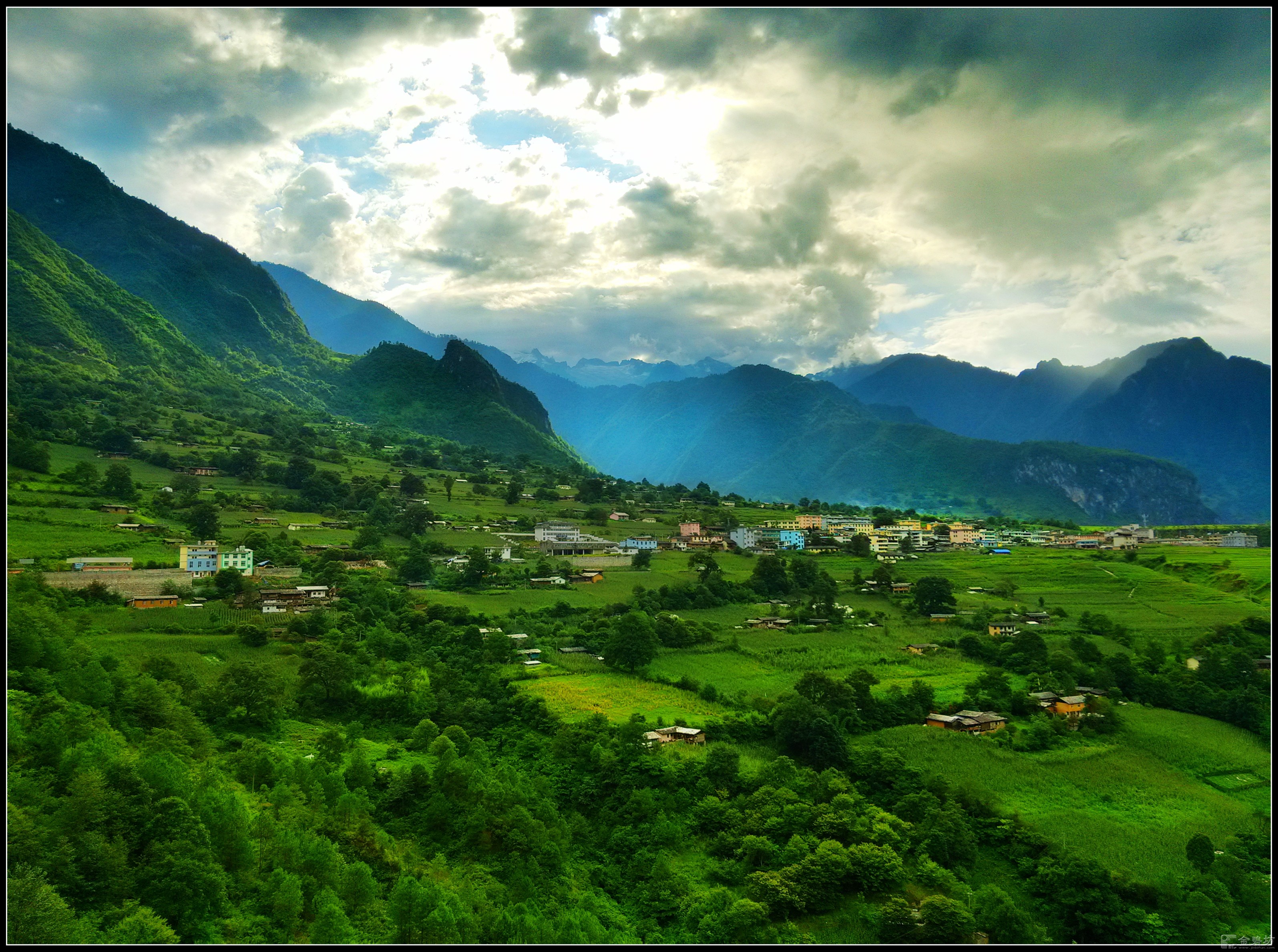
2026 Bingzhongluo Travel Guide: must-see attractions, popular food, hotels, transport & travel experiences (updated in January)
10 posts
- 1
- 2
- 3
- 4
- 9
Post
More recommendations
Popular Trip Moments
Yunnan|The brilliant hotel in Tengchong, Yunnan | Yunnan| The brilliant Ginkgo village in Yunnan | Yunnan | MingXiangLou, the traditional food in Yunnan | Yunnan|Zhongtian temple behind Heshun Ancient Town | Yunnan|Thr traditional Cun Clan Ancestral Hall | Yunnan|Visit the traditional Heshun old town | Yunnan|Enjoy the brilliant view of Yunnan | Baoshan | Visit the coffee factory in Baoshan, Yunnan | Tengchong, Yunnan | You can skip other places, but you absolutely must visit this one. | A one-day chartered tour of Tengchong: a must-see hidden gem! | Travelogue of Western Yunnan: A Journey Through Time from Kunming to a Border Town | Yunnan Heshun Ancient Town Healing Journey: A Hidden Paradise You'll Fall in Love with at First Sight | I found a relaxed hotel in Tengchong with a "Sanya vibe" | Tengchong Mountain Retreat | Horseback Riding Through Pine Forests, Becoming Neighbors with Wild Macaques | November Yunnan Off-the-Beaten-Path Tour: Tengchong Ginkgo + Wuliang Mountain Cherry Blossoms | Tengchong’s guesthouse, quiet, clean, and no disappointments! | Beginner's First Choice | Complete Guide to Wudao Creek Hiking?! | I recommend a truly off-the-beaten-path but absolutely breathtaking place in Yunnan: Dehong Prefecture. | Private Hot Spring Bath | Winter cherry blossoms bloom in Banqiao, bringing a limited-time pink romance | Qiluo Wenchang Palace: A 400-Year-Old Ancient Architectural Secret Hidden in the Ancient Town | Podu Hotel really knows how to impress | Deep Travel Guide to Menghe Town, Baoshan! | Tengchong Beihai Wetland|Step into Hayao Miyazaki's Comic World | Mangshi Relaxed Stay Guide | Hot Spring Secret Realm under Gaoligong Mountain | Hidden Hot Spring Sanctuary in the Forest | Stop Following the Crowd to “Kun-Da-Li”! Here’s How to Travel Yunnan in 2026 for Maximum Satisfaction | Volcano Surroundings Family Trip! Explore the Most Beautiful Scenery of Tengchong in One Day~ | January in Tengchong! This hot spring guesthouse can no longer be kept secret.
Recommended attractions at popular destinations
Popular Attractions in Bangkok | Popular Attractions in Manila | Popular Attractions in Tokyo | Popular Attractions in Taipei | Popular Attractions in Hong Kong | Popular Attractions in Seoul | Popular Attractions in Kuala Lumpur | Popular Attractions in Los Angeles | Popular Attractions in Shanghai | Popular Attractions in New York | Popular Attractions in Shenzhen | Popular Attractions in Osaka | Popular Attractions in Singapore | Popular Attractions in London | Popular Attractions in Guangzhou | Popular Attractions in San Francisco | Popular Attractions in Beijing | Popular Attractions in Macau | Popular Attractions in Bali | Popular Attractions in Jakarta | Popular Attractions in Paris | Popular Attractions in Ho Chi Minh City | Popular Attractions in Istanbul | Popular Attractions in Phuket | Popular Attractions in Chicago | Popular Attractions in Seattle | Popular Attractions in Toronto | Popular Attractions in Orlando | Popular Attractions in Cebu | Popular Attractions in Chiang Mai
Popular Restaurants in Baoshan
MOTHER'S TASTE | HUAJIE SIFANGCAI | 马东清真铜瓢牛肉馆 | 腾冲玛御谷悦榕庄·明月餐厅 | 腾冲石头纪酒店·云club | Zhangjia Yard Tengyue Cuisine | Yuquanyuan | Wild Coffee Studio | Qiaoxiangzhai | 鸟鸣涧野生菌森林餐厅 | Cun Da Guan | 腾冲月泊半山温泉度假酒店·YUE餐厅 | Xidonghuayuan Restaurant | 有芬餐馆 | 翠竹园野生菌火锅店 | Zizai Cliff Hotel · Zi Zai Xuan Restaurant | 花筑奢·腾冲原乡云上时间温泉度假民宿·云上·秋酷咖啡厅(景业店) | 和顺肥嘟嘟特色烧烤 | 明记烧肉米线烧肉卷粉(中心小学店) | Yaoji Fuxian Lake Signature Stone Pot Fish Restaurant | 腾越荟·花园私厨 | 大地茶海餐厅 | 椿野咖啡馆(和顺店) | 腾冲和顺五阿哥私家小馆 | CUN DA MA | SHI YE JUN HUO TANG | 丽芹豆粉店 | Yingxiangyuan Restaurant | 比顿咖啡文化馆(升阳路店) | 邓氏大薄片
Popular Ranked Lists
Top 50 Must-Visit Restaurants in Haikou | Top 50 Must-Visit Restaurants in Lijiang | Top 50 Best Things to Do in Madrid | Top 50 Must-Visit Restaurants in Lingshui | Popular Premium Hotels in Ghantoot | Top 50 Best Things to Do in Sapporo | Top 50 Must-Visit Restaurants in Shaoxing | Popular Premium Hotels in Charlottesville | Top 10 Luxury Hotels near Bel Ombre | Popular Premium Hotels in Furong Town | Top 50 Must-Visit Restaurants in Anji | Top 20 Best Things to Do in Doha | Top 10 Best Things to Do in Kamakura | Top 50 Must-Visit Restaurants in Taiyuan | Popular Premium Hotels in Hua County | Top 10 Luxury Hotels near Lesnoj Gorodok | Popular Best Things to Do in Canberra | Popular Luxury Hotels Near Platanitis Rodopis | Popular Premium Hotels in North Governorate | Popular Luxury Hotels Near Santa Rosa | Top 10 Best Things to Do in Cebu | Top 20 Best Things to Do in Zurich | Popular Premium Hotels in Douala | Top 20 Best Things to Do in Helsinki | Top 20 Best Things to Do in Reykjavik | Popular Premium Hotels in Palandoken | Top 20 Best Things to Do in Cairns | Top 50 Must-Visit Restaurants in Abu Dhabi | Top 10 Premium Hotels near Atakum | Top 50 Must-Visit Restaurants in Tengchong
About
Payment methods
Our partners
Copyright © 2025 Trip.com Travel Singapore Pte. Ltd. All rights reserved
Site Operator: Trip.com Travel Singapore Pte. Ltd.
Site Operator: Trip.com Travel Singapore Pte. Ltd.