Recent Searches
Popular Attractions
Latest Events in Madrid(October Updated)
Are you interested in Tropical Palm Tree Paint Night?
245 people have participated in this
poll
Yes
No


50%


50%
Type
Location
Date
Popularity
New Arrivals

2027 UEFA Champions League final | Civitas Metropolitan Stadium, Madrid

MADHorror 2026 | Madrid
The inaugural MadHorror International Arts Festival will be held from October 30 to November 2, 2026, at the IFEMA Exhibition Center in Madrid (Hall 14 and the South Auditorium). This major international event will bring together film, horror, video game culture, comics, cosplay, and over 25,000 square meters of exclusive exhibition space.
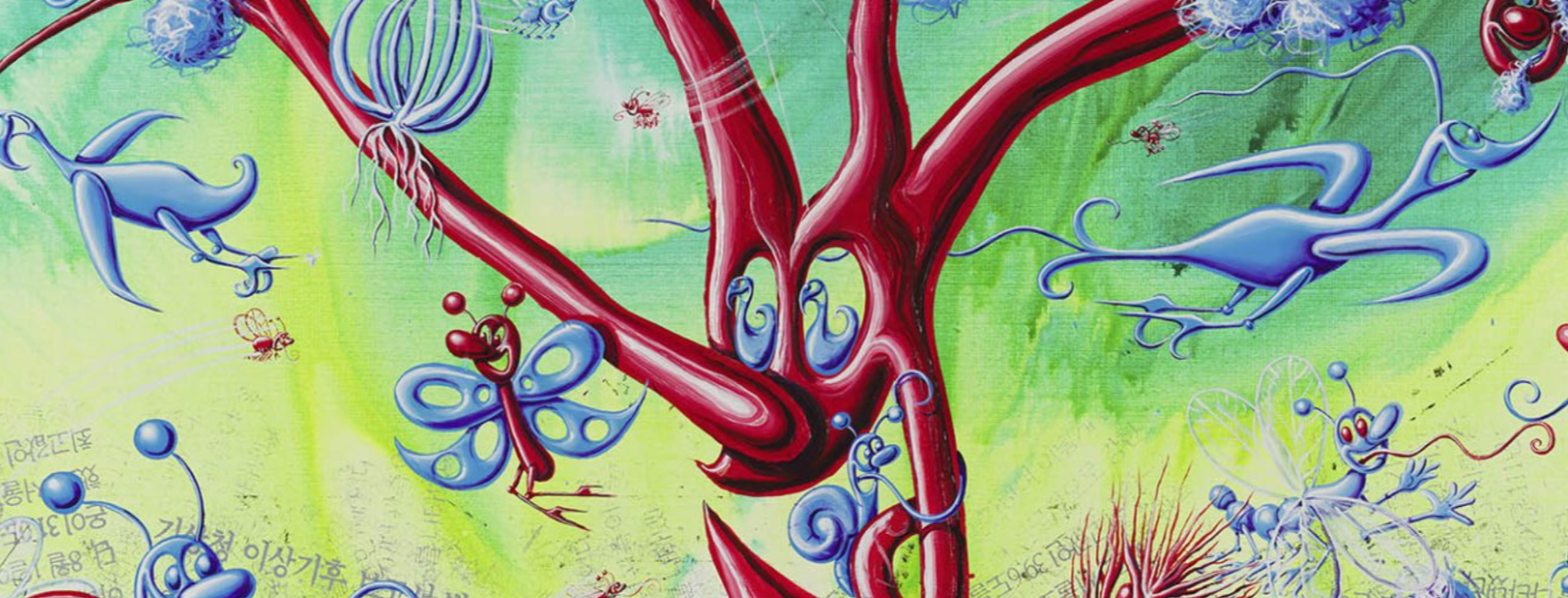
Kenny Scharf | Thyssen-Bornemisza National Museum
As part of its program dedicated to the Blanca and Borja Thyssen-Bornemisza Collection, the museum presents an exhibition of Kenny Scharf (Los Angeles, 1958), a prominent member of the East Village art movement in New York in the 1980s and a pioneer of contemporary urban art, alongside Jean-Michel Basquiat, Keith Hering, and his mentor, Andy Warhol.His work features constant references to popular culture and surrealism combined with fantastical anthropomorphic figures. His ecstatic compositions and dazzling color palette produce an immersive experience that is both intimate and innovative.Scharf's work in painting, sculpture, installations, murals, performance, and fashion reflects a commitment to creating dynamic art forms that question and deconstruct established artistic hierarchies, in line with the philosophy of Pop artists. However, his artistic relevance transcends this movement: he himself coined the term "Pop Surrealism" to describe his unique style.Scharf's participation in the 1985 Whitney Biennial marked the beginning of his international projection, a reputation that continues to grow to this day, with his work being part of the collections of prominent museums in the United States, Brazil, Germany, the Netherlands and Japan, among others.

Madrid | Tan Bionica Concert | Madrid
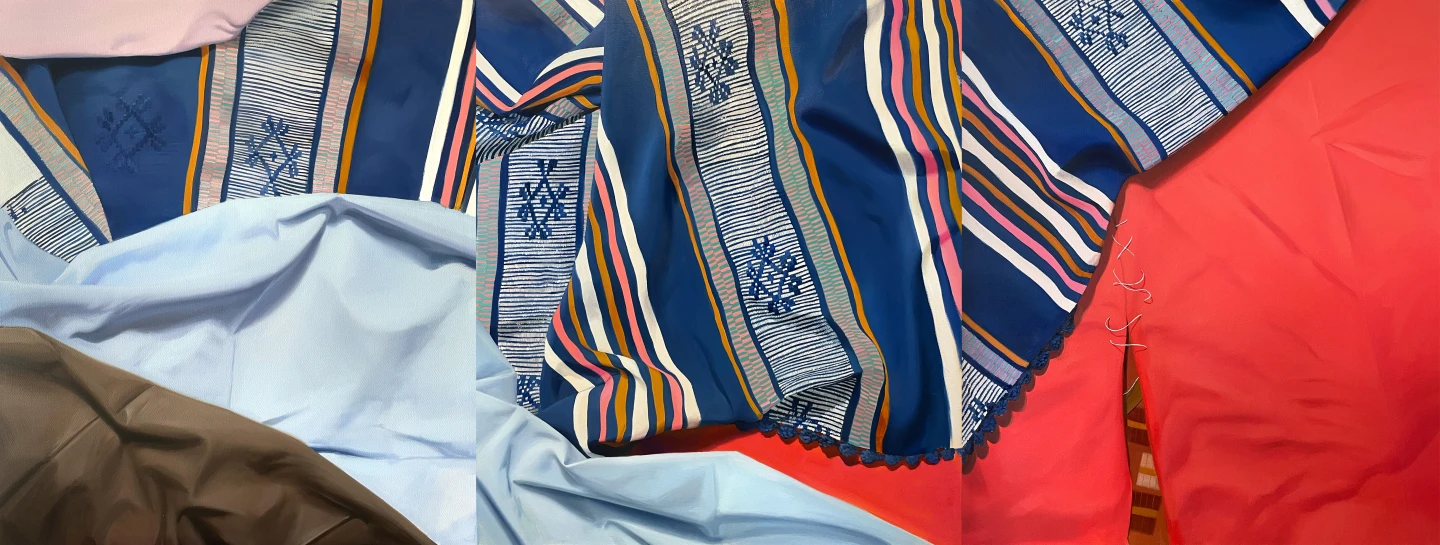
Andrea Canepa | Museo Nacional Centro de Arte Reina Sofía
The work of Andrea Canepa (Lima, 1980) lies in a space of dialogue between art, sociology, history, and anthropology. From this territory, Canepa explores how systems of visual, spatial, and symbolic organization mold the ways of seeing and understanding the world. Through a multidisciplinary practice, she approaches these systems as case studies which, remote as they may seem in space or time, invite to reflect on the way we live in today's world.
Andrea Canepa's proposal for the second intervention on the tarpaulin temporarily covering the Palacio de Cristal while it undergoes restoration is centered on the textile bundles of the pre-Columbian culture of Paracas and the ancestral ritual of enwrapping the dead. The act of covering up, together with the many meanings contained in these bundles, has fascinated Canepa since childhood. Those bodies carefully wrapped in numerous layers of exquisitely woven cloths, where each pattern is laden with symbolism, left a deep imprint on her imagination. The artist moreover stresses the importance of the process, with time, gesture, and the ritual of covering presented as a fundamental episode that gives it more weight than its apparently provisional character. The tarpaulin now covering the Palacio thus ceases to be a merely temporary surface to become an element full of sense, a veil that transforms waiting into a time of significance.
The tarpaulin shows images of bound and superimposed cloths. These are photographic reproductions enlarged on the basis of previously executed oil paintings. The capture of an instant through photography is thus combined with the reiterated gesture of painting, with its attentive observation and translation of what is perceived. Painting reality requires contemplating matter without questioning it, and this relaxed and almost meditative rhythm opens up a link to ritual. With this superimposition of temporalities and material media, Bundle generates a subtle sense of alienation. Beyond the immediate gaze, it reminds that reality is denser and more multifarious than the simple appearance people prefer to take refuge in.
Canepa transfers these ideas to the context of the Palacio de Cristal, a 19th-century building representing a modernity for which transparency was a supreme value. Designed to be seen and to display, the building is now undergoing a phase of transformation that demands it be covered up and hidden from view. By wrapping it symbolically in layers of cloth, the artist undermines this logic of absolute visibility and invites us to retrieve what modernity banished: the mysterious, the sacred, the sensuality of material, and the right to opacity.
Canepa's intervention also links the iron and glass architecture of the Palacio de Cristal with another of the great technical advances of its time: the optical artifacts precursory to the cinema. The building turns into a contemporary praxinoscope which transforms its glass panels into sequences covering and discovering textiles, generating a narrative cycle that is completed only by the movement of the visitor. In this back-and-forth motion between veiling and revealing, time ceases to be linear to become an experience: it stretches and folds over on itself, oscillating between presence and absence, between what is shown and what is held back.
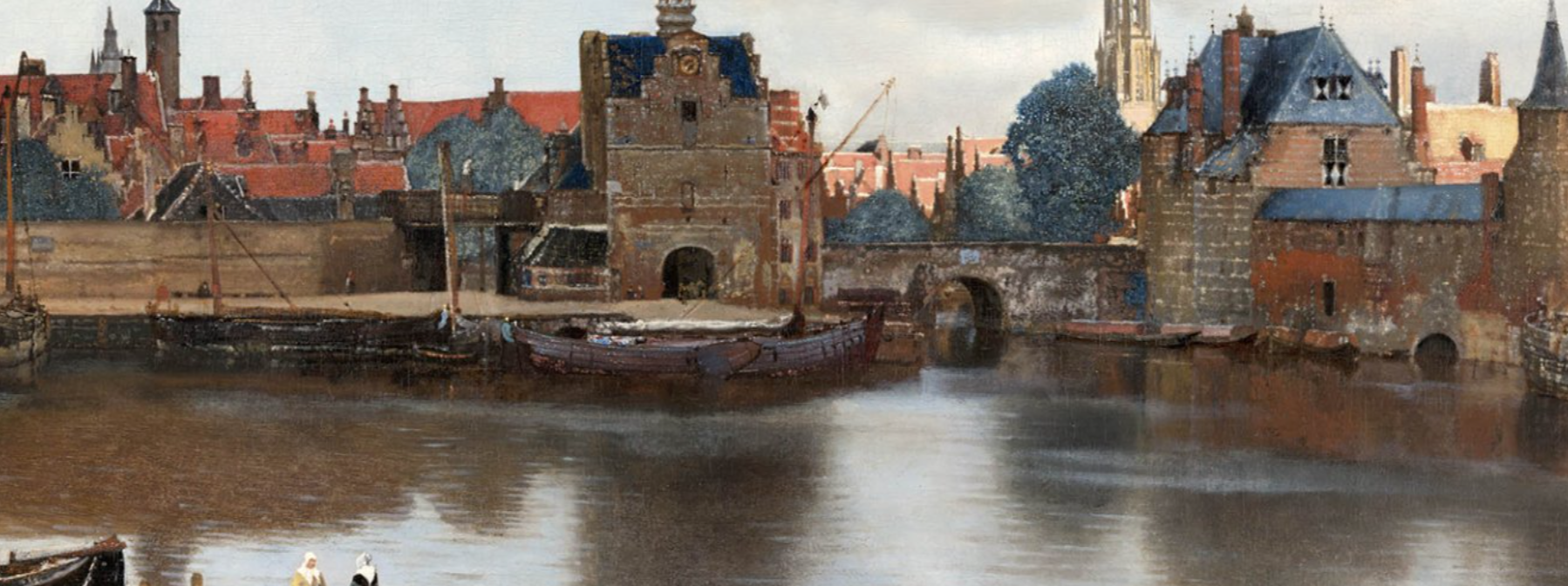
Thyssen-Bornemisza & Mauritshuis: a love story between two museums | Thyssen-Bornemisza National Museum
The Museo Nacional Thyssen-Bornemisza and the Mauritshuis in The Hague are simultaneously exchanging twenty-five outstanding works from their permanent collections thanks to a collaboration agreement between the two institutions. In Madrid, an exceptional collection of 17th century Dutch masterpieces is on display, including Johannes Vermeer's View of Delft (ca. 1660-1661), brought together in the classical rooms, a new exhibition space in the museum, close to the rooms dedicated to this same school, thus offering a more complete view of that extraordinary and fruitful century.The Thyssen-Bornemisza family's ties to the Netherlands date back to the early 20th century, when Heinrich (1875–1947) settled in The Hague after the Hungarian Revolution of 1919. It was in this city that Hans Heinrich was born and spent his childhood. In addition to the financial ties and business platform created there, he developed a passion for Dutch painting, one of the most brilliant chapters in his collecting career, which was started by Heinrich and continued by his son Hans Heinrich, who focused his early acquisitions in the 1950s on the Dutch masters of the 17th century. It was precisely Rotterdam that was chosen in 1959 as the city to launch the international tour to present his collection, and today the collection of 17th century Dutch paintings is one of the museum's greatest assets, completing the Spanish museum scene in an extraordinary way.The works from the Mauritshuis that form part of the exhibition in Madrid cover a period from around 1615 to 1705, and belong to artists such as Ambrosius Bosschaert I, Frans Hals, Hendrick Avercamp, Pieter Claesz, Rembrandt van Rijn, Gerard ter Borch, Jan Steen, Jacob Ruisdael, Pieter de Hooch and Nicolaes Maes, among others. The paintings are displayed thematically: the first room is dedicated to still lifes and genre painting; the second to landscapes and compositions with figures; and the third displays, on its own, one of the greatest landscape works of all time: Vermeer's View of Delft.In addition, three paintings from the museum's collections have been selected to be exhibited alongside three others from the Mauritshuis. The Garden of Eden by Jan Brueghel the Elder is displayed alongside The Garden of Paradise by Jan Brueghel the Elder and Rubens; The happy Violinist is paired with The Violinist, both by Gerard van Honthorst, and The West Façade of the Church of Saint Mary in Utrecht by Pieter Jansz. Saenredam complements the exterior view of the church depicted in the panel by the same artist belonging to the Mauritshuis.

Madrid | Luciano Pereyra《Te Sigo Amando》Tour | Teatro Calderon
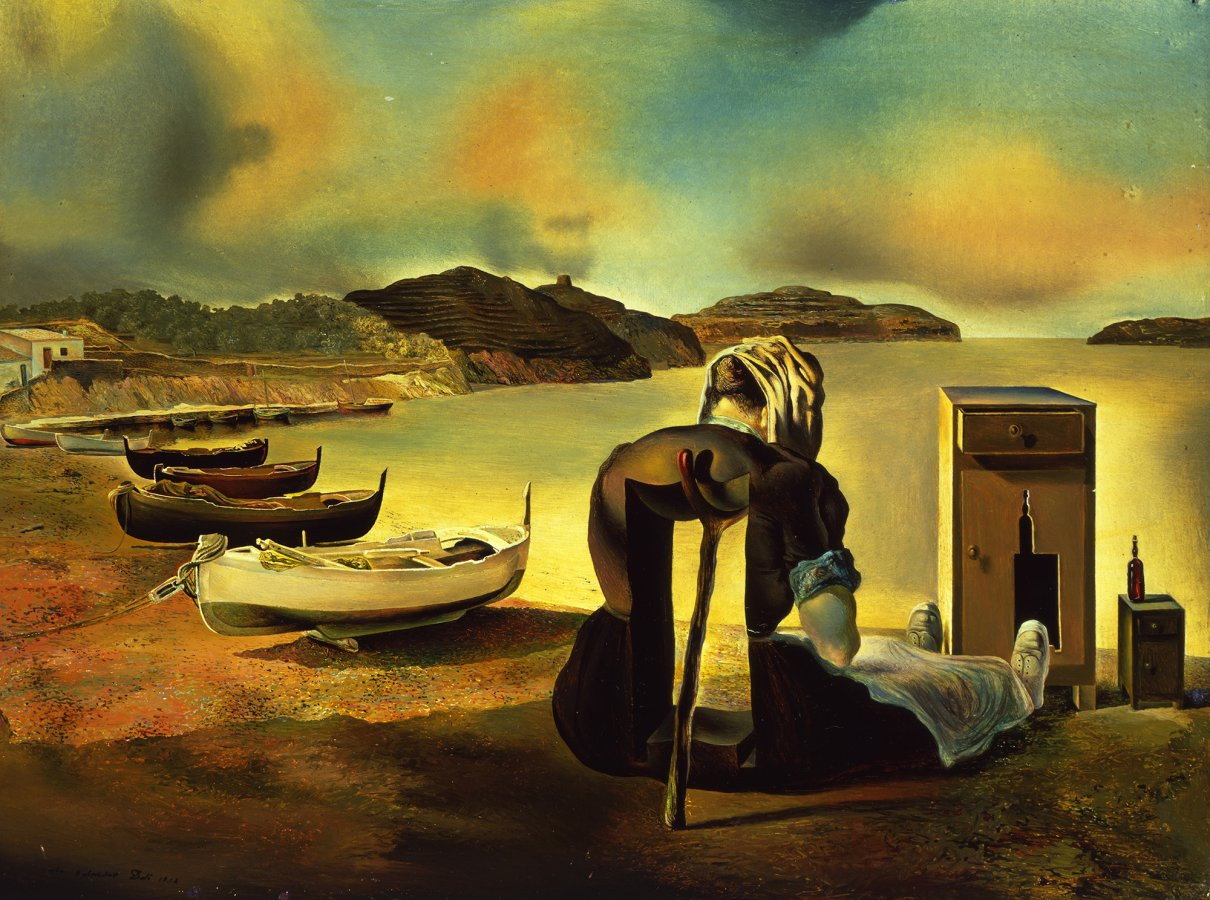
Dalí / Freud. Landscapes of the Unconscious | Thyssen-Bornemisza National Museum
The relationship between the work of Salvador Dalí and the writings of Sigmund Freud is one of the key issues that articulate the artist's visual aesthetic. The circumstances of Dalí's childhood and adolescence proved a fertile breeding ground for this relationship, which eventually became little less than an obsession and culminated in the meeting between the two men in 1938, when Freud was living in exile in London. Dalí had access to translations of Freud's work from the early 1920s when he was living at the Residencia de Estudiantes in Madrid. From 1926 onwards his work became increasingly linked to the aesthetic of Surrealism, itself inspired by Freud. He made a decisive contribution to the movement with his “paranoiac-critical method”, developed from his reading of Freud's work. Following the London meeting, Freudian elements remained notably evident during his so-called “mystical-nuclear” period. With the present exhibition, curated by Jaime Brihuega, the Museo Thyssen is aiming to shed new light on Salvador Dalí's heterogeneous and prolific output. The Catalan artist's fascination with the writings of Freud and their famous meeting in 1938 constitute the guiding thread of the exhibition, which proposes a rereading of Dalí's entire career, from the complex family background of his early years to his late work produced in Catalonia. The exhibition is divided into seven sections, arranged chronologically and linked to key chapters in the artist's life. Each section focuses on works related to Freudian thought and is complemented by relevant paintings and drawings by Jean Arp, Arnold Böcklin, Sigmund Freud, Max Ernst, Jean-François Millet, Pablo Picasso, Santiago Ramón y Cajal, Julio Romero de Torres, Gino Severini and Yves Tanguy, among others.

Madrid | Trueno《TURR4ZO》2026 World Tour | Movistar Arena Madrid
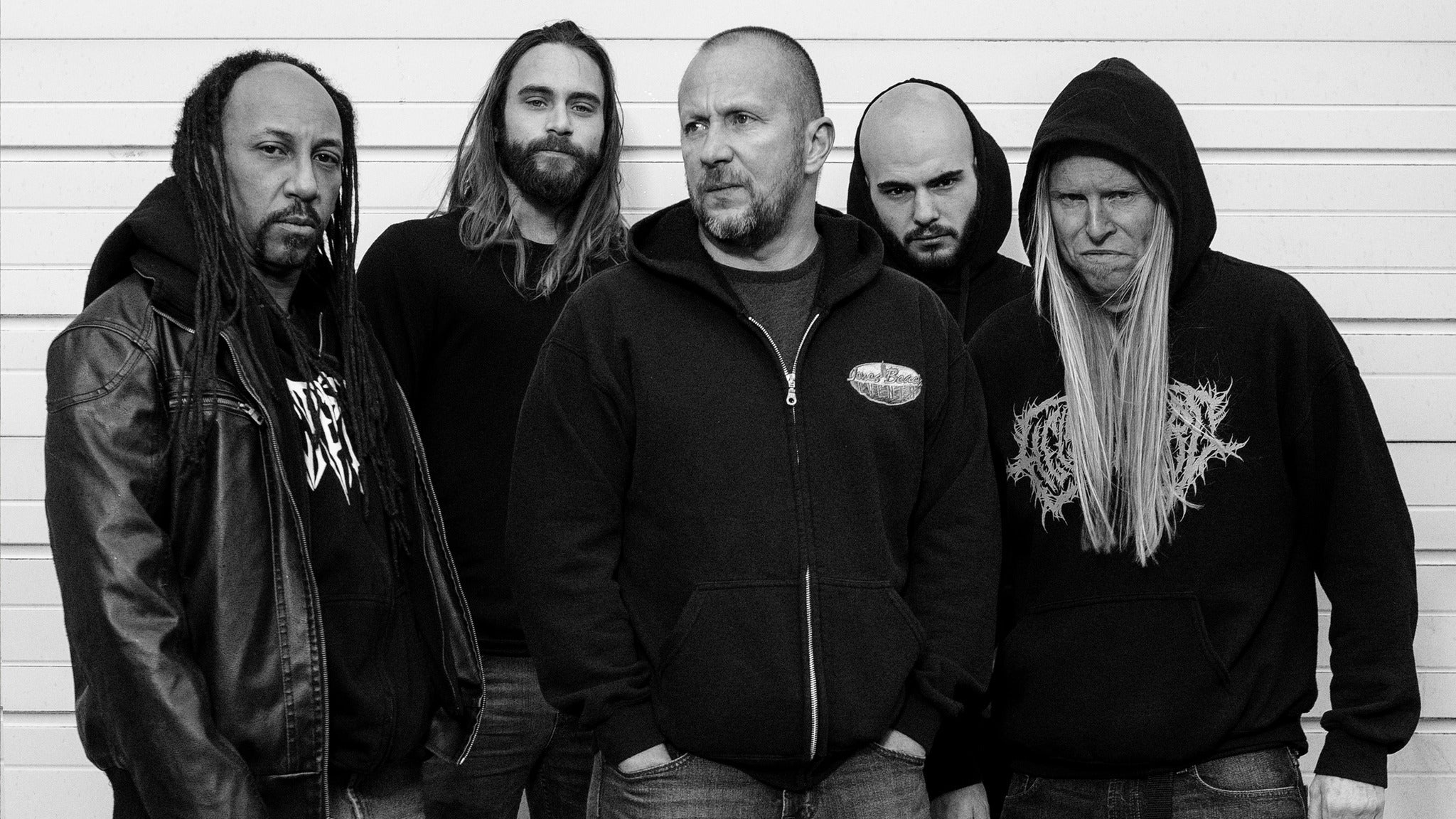
Madrid | Suffocation 2026 Southern & Eastern Europe Tour | ReviLive
...
More Popular Topics

Latest Events in Barcelona(October Updated)
1598 event
Latest Events in Alava(October Updated)
141 eventMore Popular Events
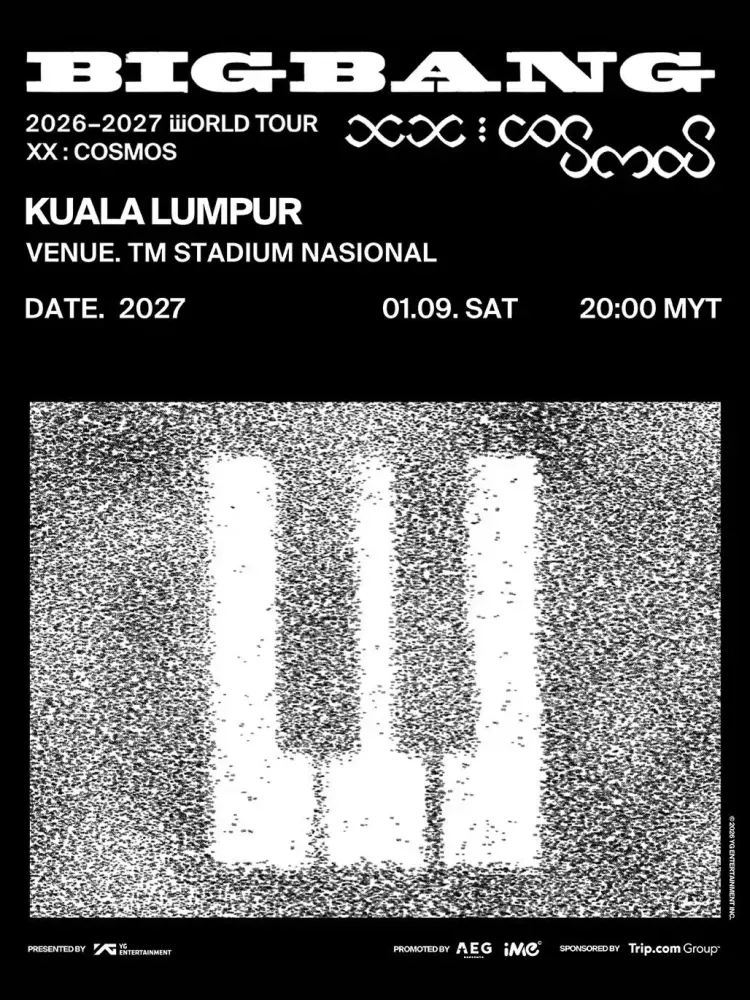
BIGBANG 2026-2027 WORLD TOUR < XX : COSMOS > IN KUALA LUMPUR | TM Stadium Nasional Bukit Jalil
Jan 9, 2027 (UTC+8)
Kuala Lumpur
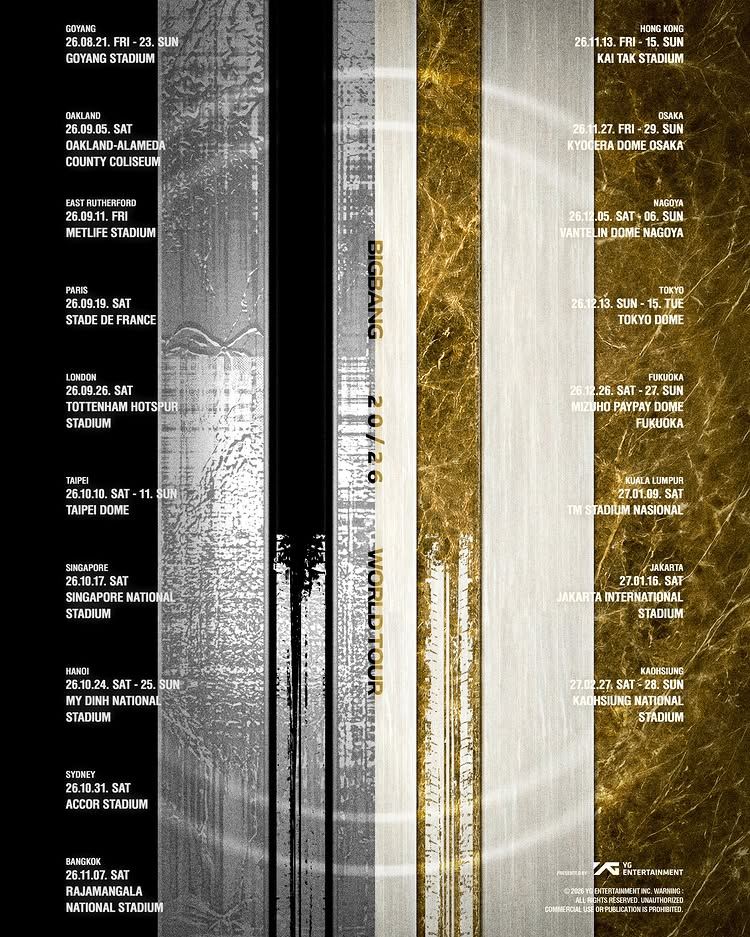
BIGBANG WORLD TOUR 2026 IN HONG KONG | Kai Tak Stadium
Nov 13–Nov 15, 2026 (UTC+8)
Hong Kong

Tomorrowland Thailand 2026 | Chon Buri
Dec 11–Dec 13, 2026 (UTC+7)
Thailand
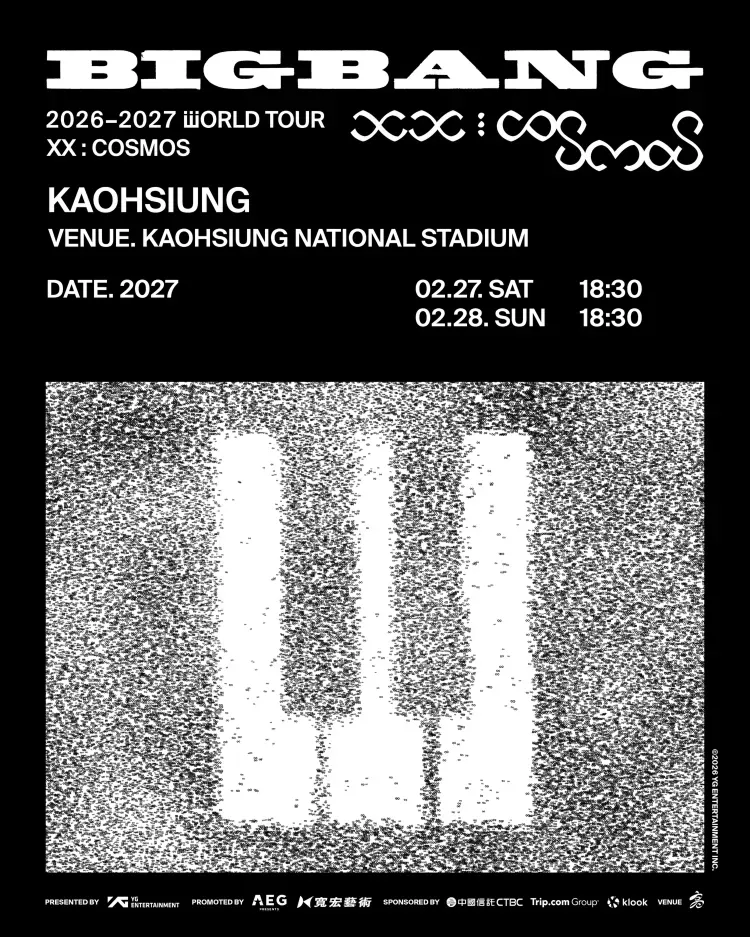
BIGBANG 2026-2027 WORLD TOUR < XX : COSMOS > IN KAOHSIUNG | Kaohsiung National Stadium
Feb 27–Feb 28, 2027 (UTC+8)
Kaohsiung
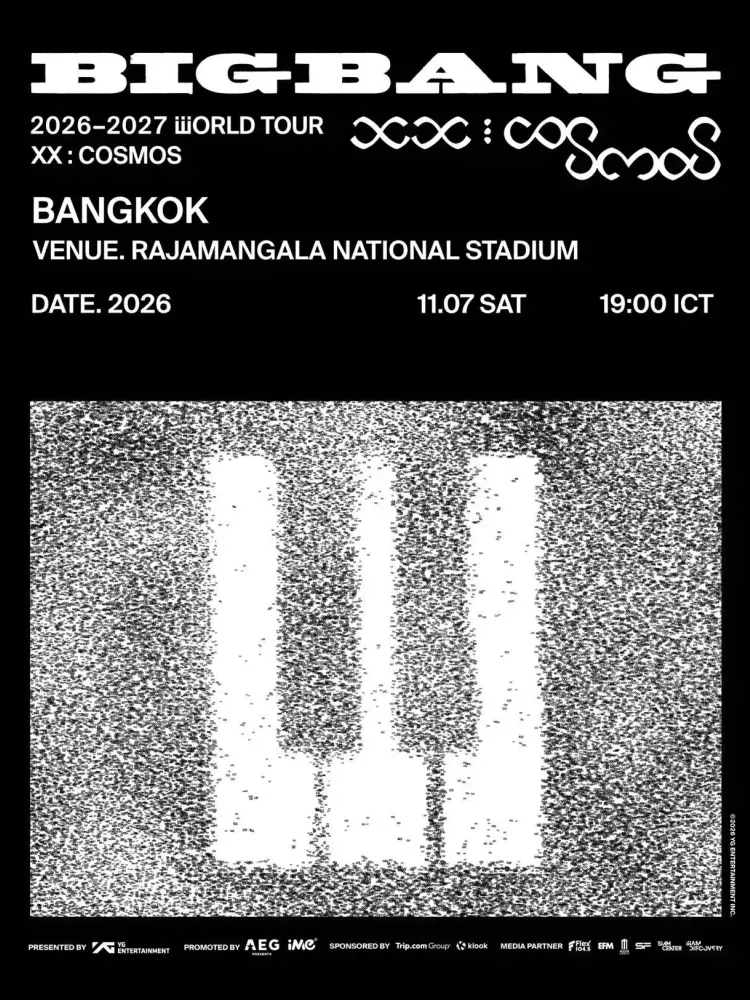
BIGBANG 2026-2027 WORLD TOUR < XX : COSMOS > IN BANGKOK | Rajamangala National Stadium
Nov 7, 2026 (UTC+7)
Bangkok
Hotels near Madrid
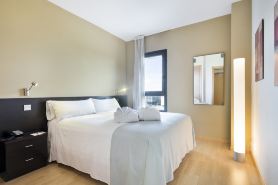
8.1
/10
46 Reviews
Madrid Airport Suites, Affiliated by Meliá


BRL 461
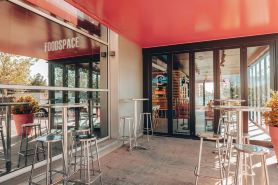
8.1
/10
84 Reviews
Vértice Roomspace
BRL 400
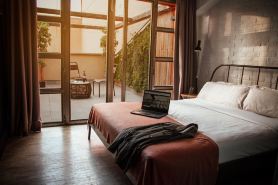
8.8
/10
96 Reviews
Room Ventura
Madrid City Center
BRL 90

8.3
/10
52 Reviews
Rincón de Gran Vía
Madrid City Center
BRL 441
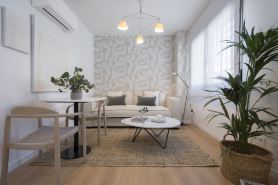
8.7
/10
41 Reviews
Miosotis Suites
BRL 1,044
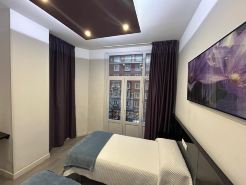
8.4
/10
43 Reviews
Hostal Buenos Aires
Madrid City Center
BRL 686
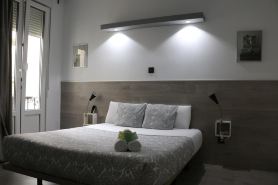
8.4
/10
40 Reviews
Fuencarral Rooms
Madrid City Center
BRL 480
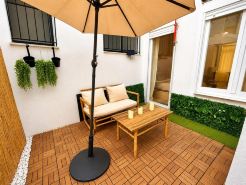
9
/10
25 Reviews
Madrid Studio with Private Terrace near Metropolitano Stadium, IFEMA & Airport
BRL 553
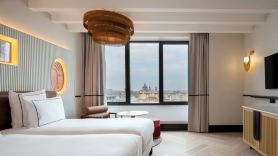
9.4
/10
131 Reviews
Urban Hive Madrid
Madrid City Center
BRL 3,551
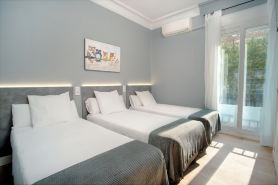
7.3
/10
5 Reviews
JVO HOSTAL SL
BRL 375
Latest Flight Deals to Madrid
These are the best offers on flights to Madrid you’ll find over the next 60 days, with savings of up to BRL 2,414. Don’t miss out!
63%

Manila
Madrid
 Etihad Airways
Economy
One way

Tue, Dec 15
BRL 1,434
BRL 3,848
55%
Cebu
Madrid
 Philippines AirAsia
Economy
One way
Wed, Dec 2
BRL 1,542
BRL 3,442
92%
Budapest
Madrid
 Ryanair
Economy
One way
Thu, Nov 19
BRL 166
BRL 2,050